Window Replacement Cost: What Homeowners Really Pay in 2025
Most homeowners discover the true window replacement cost the moment their energy bill arrives in January and the living room still feels like a walk-in freezer. Drafty frames, fogged glass, and windows that refuse to open are the three signals that replacement is no longer optional. The good news: replacing your windows is one of the few home improvements that pays you back every month in lower heating and cooling costs.
The typical window replacement cost lands between $300 and $1,200 per window including installation, with most full-home projects of ten to fifteen windows running between $4,000 and $18,000 total. Where you fall in that range depends almost entirely on four variables: window material, glass package, home layout, and your local labor market. This guide breaks down each of those levers so you can pull the right ones and stop overpaying.
A note before you start collecting quotes: price per window is useful for comparing bids, but it is an average, not a promise. A $900 vinyl double-hung installed in a single-story ranch costs far less to install than that same window on the third floor of a Victorian with trim repair and lead-paint mitigation. The figures below assume standard sizes and a straightforward install; unusual conditions push costs up.
What You Can Expect to Pay by Frame Material
The single biggest driver of window replacement cost is the frame material. Each option trades upfront price against lifespan, insulation, and maintenance, and choosing wrong on any of them is an expensive correction later. Here is how the four common materials break down per window, installed.
| Feature | Vinyl | Wood | Fiberglass | Aluminum |
|---|---|---|---|---|
| Cost per window (installed) | $300–$800 | $600–$1,200 | $500–$1,300 | $300–$750 |
| Typical lifespan | 20–30 years | 30–50 years | 30–50 years | 20–30 years |
| Insulation value | Good | Excellent | Very good | Poor |
| Maintenance needed | Minimal | High (paint/repaint) | Minimal | Minimal |
| Best for | Budget & rentals | Historic homes | Extreme climates | Mild climates, modern homes |
Vinyl is the workhorse for a reason. A midsize double-hung vinyl window from brands like Andersen’s 200 Series or a Pella 250 Series typically lands in the $350 to $600 range installed, keeps its color without painting, and resists moisture. It is the default choice for roughly two-thirds of US replacement projects. Wood windows sit at the opposite end of the price and maintenance spectrum and are usually reserved for homes where the look matters more than the upkeep.
Fiberglass is the dark horse. Windows such as the Marvin Essential line cost more than vinyl but expand and contract at nearly the same rate as the glass itself, so seals hold up well in scorching summers and deep-freeze winters. Aluminum is the cheapest to buy but the poorest insulator, which is why you see it mostly in coastal or mild climates where heat loss is not the enemy.
How Glass Packages and Features Add Up
The frame gets you in the door of the quote; the glass is where the price climbs fast. A bare-bones single-pane window is now rare and, in most US states, no longer code-compliant for new or replacement work. The baseline is now dual-pane glass with an inert gas fill, and everything above that is an upgrade with a line item.
Here is what the common upgrades add to the base window replacement cost:
- Low-E coating: $25–$75 per window. A microscopically thin metallic layer that reflects heat out in summer and back in during winter. Standard in most quality lines now.
- Argon or krypton gas fill: $30–$60 per window. Fills the gap between panes to slow heat transfer. Krypton costs more but insulates better and allows a thinner profile.
- Triple-pane glass: $75–$200 per window. Worth it in northern climates where ENERGY STAR Most Efficient is the goal, and often required for passive-house or cold-climate rebates.
- Impact-resistant glass: $100–$250 per window. Laminated glass rated for hurricane zones and required by code in coastal Florida and Texas.
- Custom shapes or oversized panes: $150–$400 per window. Arches, circles, and picture windows that exceed standard stock sizes.
The US Department of Energy estimates that heat gain and loss through windows accounts for 25% to 30% of residential heating and cooling energy use. That is the argument for paying for the better glass now rather than feeding a leaky envelope for the next two decades.

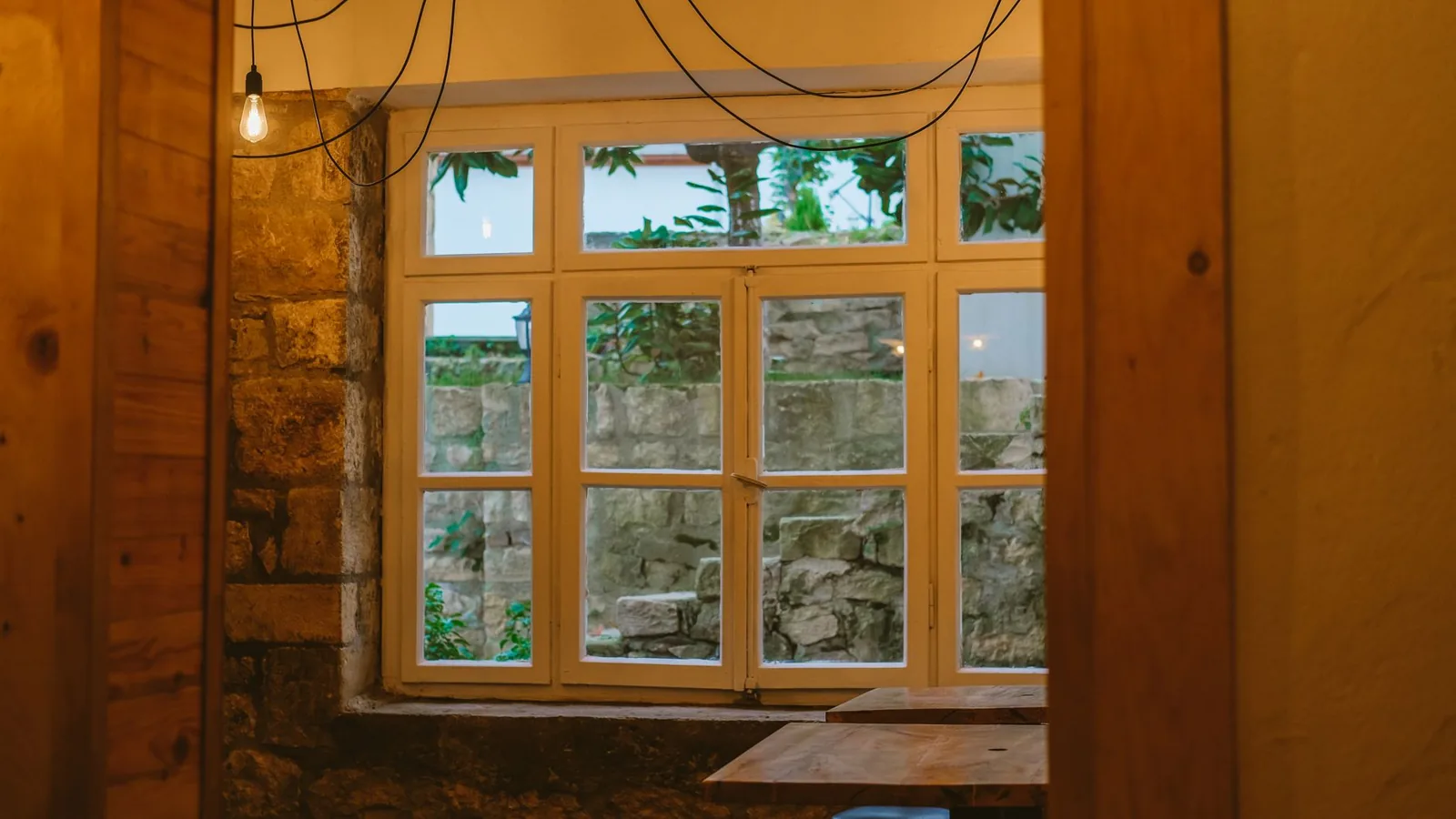
Photo by Dominika Gregušová via Pexels
Where Installation Costs Hide
Labor usually runs 25% to 40% of the total window replacement cost, but the number you actually pay depends on how much work the installer has to do around the window itself. A simple swap of a standard-size window with no interior trim work might carry $150 to $300 in labor. A full-frame replacement that involves pulling interior and exterior trim, reframing the rough opening, and repairing drywall can push labor past $500 per window.
These are the conditions that quietly inflate a quote:
- Full-frame versus insert (pocket) replacement. Inserts slip into the existing frame and cost less; full-frame replacement removes the old frame entirely and is required when rot is present.
- Story height. Second-story work requires ladders, scaffolding, or lifts and adds $50 to $150 per window in access costs.
- Lead paint. Homes built before 1978 often trigger lead-safe work practices, which can add $100 to $300 per window for containment and testing.
- Old-house framing. Out-of-square openings in homes built before 1960 often need custom sizing and additional shimming.
- Permits and inspection. Most municipalities charge $50 to $200 for a window replacement permit, more if structural changes are involved.
Before you sign, ask the contractor to break labor and materials into separate lines. It is the fastest way to spot a bid that is padding the labor number, and it makes comparing two quotes far easier.
Replacement Versus Repair: When the Math Flips
Not every foggy window is a replacement. If the frame is sound and only the insulated glass unit has fogged between the panes, a glass-only replacement runs $150 to $400 per window — a fraction of a full replacement. It is worth pursuing when the window is under ten years old or when matching the rest of the house is critical.
But there is a point where repair stops making sense. A window with a rotted sill or a broken balance system that keeps sticking usually needs more than a pane. Keep track of how many windows in the house are showing problems. If you are repairing a third of them, the math usually favors replacing everything at once and negotiating a volume discount of 5% to 10% off the project total.
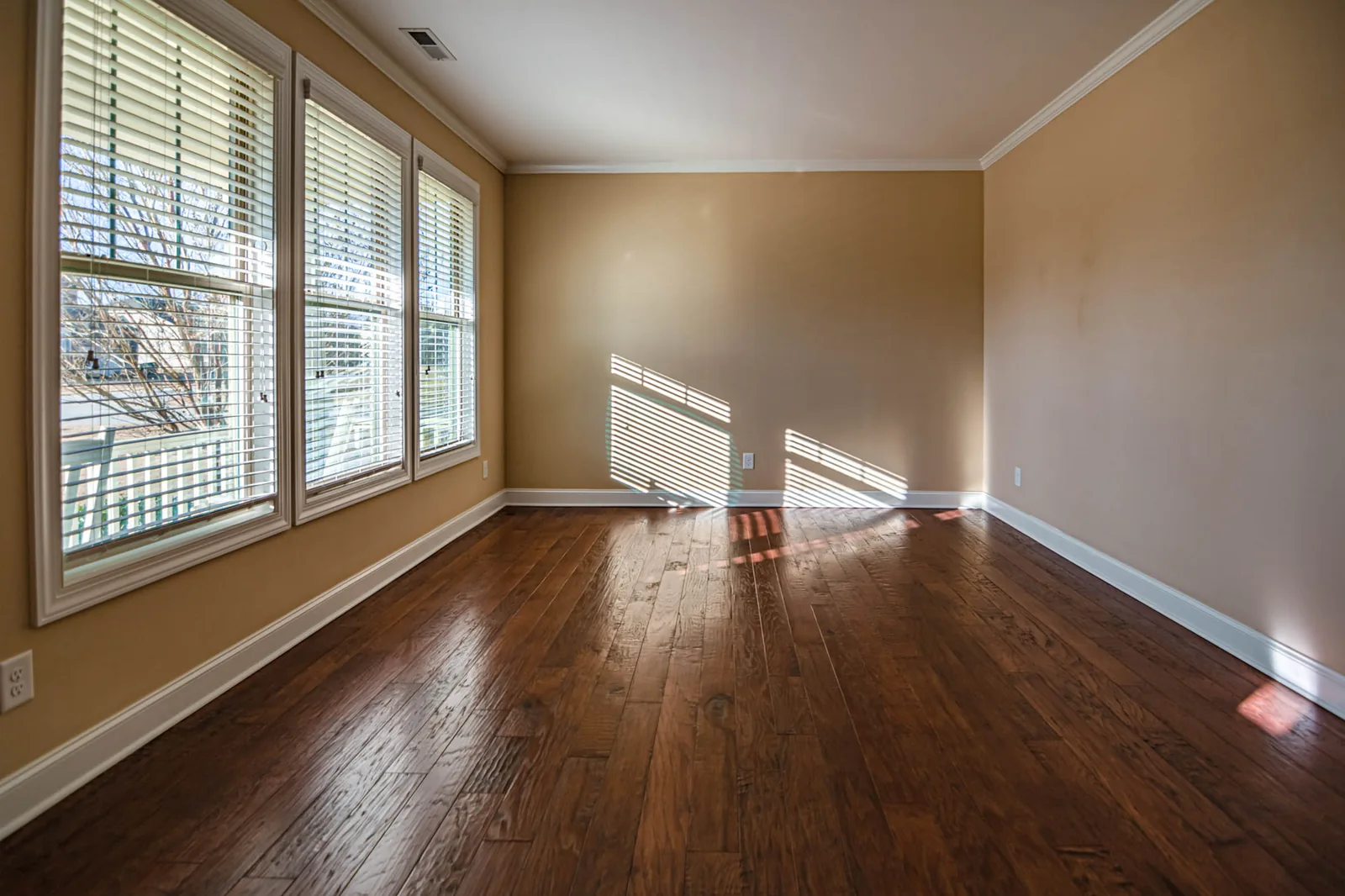
Photo by Curtis Adams via Pexels
How to Shop the Project Without Overpaying
The window replacement cost you lock in is a direct result of how you buy, not just what you buy. The same window quoted by a national replacement brand with commissioned sales reps can run double what a local independent installer charges for an equivalent product.
Three habits keep the total honest:
- Get at least three written, line-itemed quotes. Require product line, glass package, warranty terms, and a separate labor figure on each.
- Buy the brand, not the salesman’s pitch. Standardize on two or three product lines — Andersen, Pella, Marvin, Milgard, and Simonton all make solid mid-tier windows — so you are comparing identical specs across bids.
- Read the warranty before you pay. Look for a warranty that covers the glass seal for at least 10 years and the frame for at least 20, and check whether labor is included or parts-only.
Timing matters too. Contractors are busiest in spring and early fall, and demand-driven pricing is real. Scheduling a replacement in late winter or early summer can save 5% to 10% for the same crew and the same windows.
Is It Worth It? The Payback Question
Replacement windows recoup most of their cost in two ways: lower energy bills and resale value. Remodeling Magazine’s annual Cost vs. Value report consistently ranks midrange vinyl window replacement among the projects returning roughly 68% to 73% of the investment at resale. That is not a full payback, but it is better than most renovations return.
The energy side is harder to pin down precisely because it depends on your current windows, your climate, and your fuel source. As a rule of thumb, a household replacing twenty-year-old aluminum frames in a heating-dominant climate can expect to trim 5% to 15% off its annual heating and cooling bill. In a $250 monthly energy budget, that is $150 to $450 a year — meaningful, but rarely enough alone to justify a top-shelf window in a mild climate.
That gap is why the smart purchase is climate-tailored. In the cold Upper Midwest, pay for triple-pane and low-E — our guide to the best windows for energy efficiency walks through the exact glass specs that earn the ENERGY STAR Most Efficient label in cold zones. In a temperate coastal climate, a quality dual-pane vinyl window is the rational ceiling, and spending above it is a luxury, not an investment.
Framing the Decision: Window Style and Material Together
The style you choose interacts with the material in ways the per-window averages can hide. A casement window, which swings open on a crank, seals tighter than a double-hung and typically costs 10% to 20% more — but that tighter seal can justify itself in a windy, cold climate. Our comparison of double-hung vs. casement windows lays out the trade-offs in detail.
Similarly, the vinyl-versus-wood question is not purely about price but about how long you plan to stay in the house. Wood pays off for a long-term owner who wants period-correct trim and is willing to maintain it; vinyl wins for anyone who wants to install and forget. For a fuller breakdown, see vinyl vs. wood windows, which runs through the maintenance realities that window salespeople tend to skip.
Frequently Asked Questions
How much does it cost to replace one window?
For a standard-size window with a straightforward install, expect to pay $300 to $1,200 including labor, depending on material and glass. Vinyl inserts sit at the low end; custom wood or fiberglass with triple glazing sits at the top.
Is it cheaper to replace all windows at once?
Yes, usually. Replacing ten or more windows at once lets a contractor order materials in bulk and work efficiently, which commonly earns a 5% to 10% discount off the per-window price you would pay for a one-off.
How long does window replacement take?
A typical crew installs five to eight windows per day. A full 10- to 15-window project is usually finished in two to three working days; add time for custom sizes, trim repair, or lead-paint mitigation.
Does window replacement increase home value?
Replacement windows return roughly 68% to 73% of their cost at resale according to the Remodeling Magazine Cost vs. Value report, and they are a strong curb-appeal sell. The energy savings they produce start immediately and continue for the life of the windows.
Can I reduce window replacement cost with rebates?
Frequently. The federal Energy Efficient Home Improvement Credit currently covers 30% of the cost of qualifying ENERGY STAR windows, up to $600 per year, and many states and utilities layer additional rebates on top. Ask your contractor which of their lines qualify before you finalize a quote.
The Bottom Line
Window replacement cost is a wide band — $300 to $1,200 per window — but you control most of what determines where you land. Match the frame to your climate rather than the showroom, buy the glass package that pays for itself in your region, get three line-itemed quotes, and time the work to the contractor’s slow season.
For more detail on the products behind these numbers, start with our guides to how to install a replacement window to understand what the labor actually involves, and front door replacement cost if you are planning the entryway to match. And before you commit to any glass, check the performance ratings at ENERGY STAR and the product reviews at This Old House. The cheapest window is the one you buy once.