Glass Block Window Ideas: 14 Ways to Add Light, Privacy, and Style
Glass block windows catch a bad rap as a dated ’80s relic, but the right glass block window ideas solve a real problem: how to bring daylight in without letting the neighbors see in. A solid glass block panel delivers privacy, soft diffused light, and better durability than a single pane of standard glass — all without curtains, blinds, or the frosted film that starts peeling after a few seasons.
They’re not right for every opening. Blocks are heavy, they don’t open for ventilation, and they never give you a view. This guide walks through the looks, the real costs, and the rooms where glass block earns its keep, so you can decide whether a block panel belongs in your home.
Why Homeowners Still Choose Glass Block
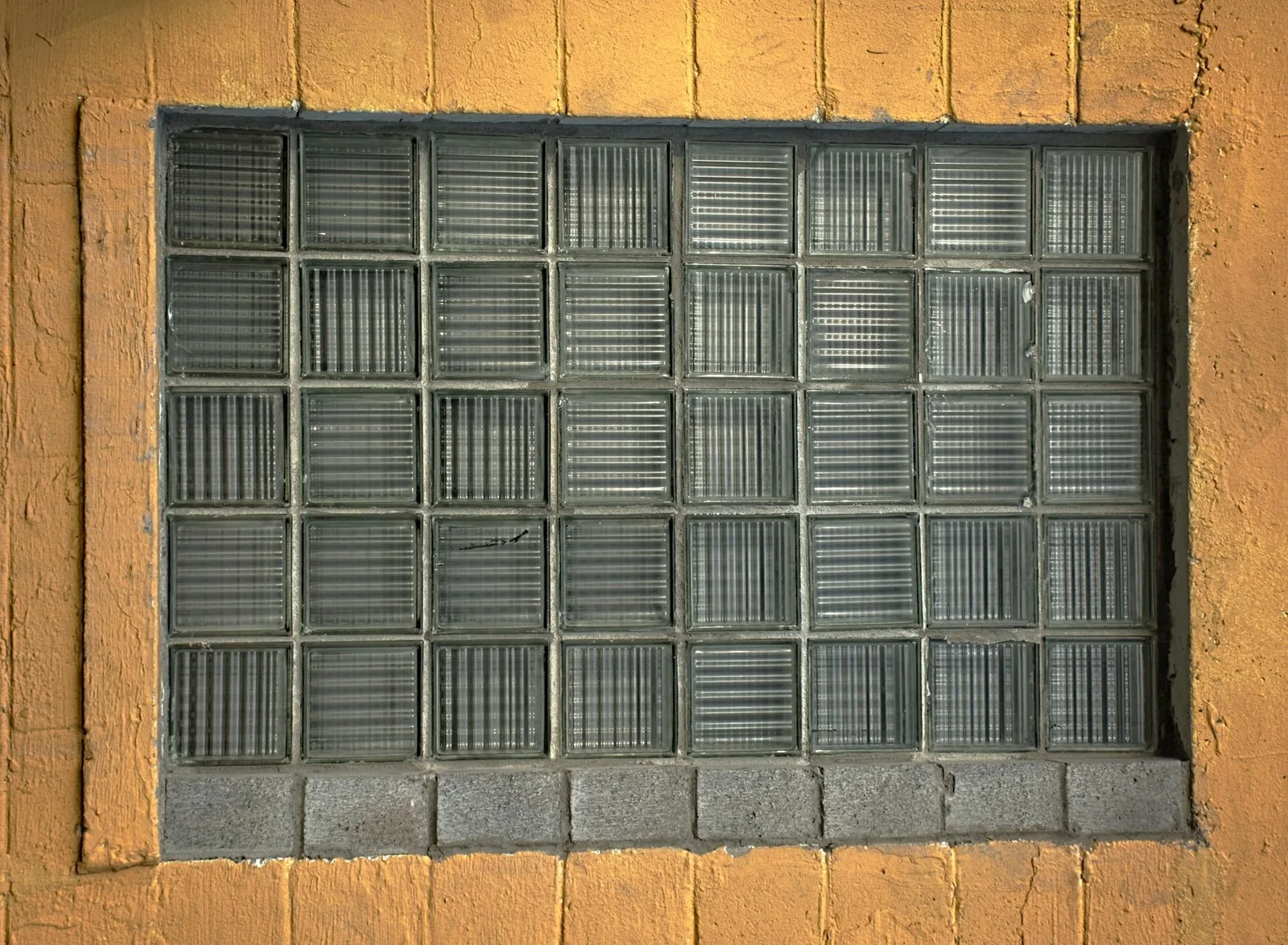
Glass block faded from its 1980s peak, but it never really left — and for a few practical reasons. A standard hollow glass block transmits roughly 80 to 90 percent of the light that hits it while scattering it into a soft glow, which is exactly what you want next to a shower, a side yard, or a property line that sits too close to a neighbor’s window.
The material also holds up. Individual blocks are made of two fused glass halves with a hollow or vacuum-filled core, so a panel is far harder to break through than a standard window sash. That strength matters in basements, garages, and ground-floor utility rooms where a normal window is a security concern.
Energy performance lands in the middle of the pack. A hollow glass block assembly rates around R-1.15 to R-1.96, which beats an old single-pane window but trails a modern double-pane unit. If efficiency is the deciding factor for a living-space window, the numbers in our guide to the best windows for energy efficiency are worth reading before you commit. For privacy and durability, though, glass block is tough to beat at the price.
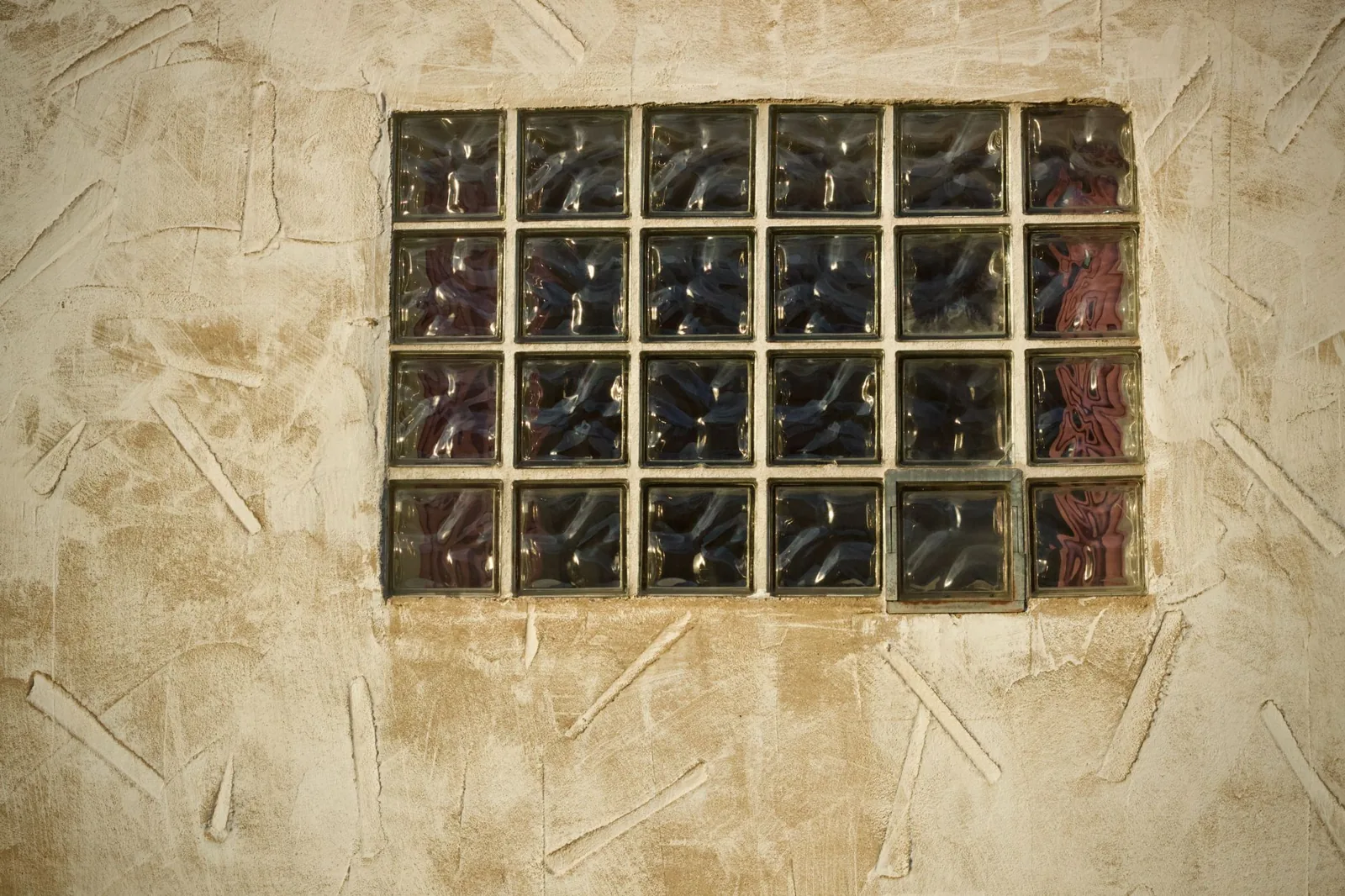
Photo by Peter Dyllong via Pexels
Glass Block Window Ideas for Every Room
Bathrooms and Showers
The bathroom is where glass block earns its reputation. A block panel in the shower or over the tub wall lets in bright, even daylight without any window covering to mildew or any clear pane to frost. Keep the top row at least six inches below the shower head and slope the sill so water drains instead of pooling against the seal.
Basements and Utility Rooms
Basement windows sit at ground level, which makes them easy for someone to see into — or climb through. Swapping a standard hopper window for a glass block panel gives you the light without the exposure. Because basement openings are often a standard size, this is one of the cheapest and most common glass block upgrades.
Front Entries and Hallways
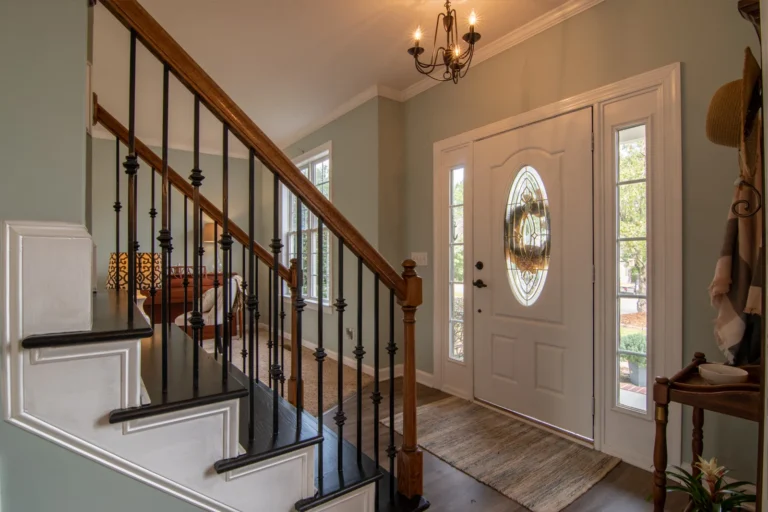
A sidelight or transom of glass block next to the front door reads as intentional, not dated, when the rest of the entry is crisp. It hides a cramped porch or a view straight into a neighbor’s front door while still lighting the foyer. Keep the block pattern simple here — heavy art-glass patterns look busy on a street-facing wall.
Kitchens and Laundry Rooms
Over the sink, a short glass block band does the job of a café curtain without collecting grease or needing a wash. In laundry and mudrooms, block panels over the utility sink or next to the door let in light while hiding the tangle of detergent bottles and muddy boots from the street.
Garages and Stairwells
A garage wall that faces the street is a prime candidate. Glass block gives you working light during the day and no visibility into your tools, bikes, or vehicles at night. On stair landings, a block panel brightens a windowless turn without exposing the interior.
Glass Block Patterns and Finishes
The look of a glass block window comes down to the face pattern and the glass finish. Here’s how the most common options compare.
| Pattern / Finish | Light Transmission | Privacy Level | Best For |
|---|---|---|---|
| Clear (wavy or smooth) | Highest, near 90% | Low — shapes visible as blurs | Hallways, living spaces |
| Diamond / prismatic | Moderate | Medium — distorts outlines | Bathrooms, entries |
| Frosted or etched | Moderate | High — soft glow, no shapes | Showers, street-facing walls |
| Iceberg / arctic | Lower | Very high — heavy diffusion | Basements, garages |
For a more decorative effect, accent blocks with embedded reeds, waves, or even seeded glass let you add a strip of texture without committing an entire wall to it. Colored blocks — pale blue, green, or amber — read as dated in large panels, so use them as a single accent row rather than the whole window.
How Much Do Glass Block Windows Cost?
Expect to pay roughly $10 to $25 per block for materials. A preassembled panel with a frame runs $18 to $30 per square foot, and a standard 2-by-3-foot window installed by a pro lands around $400 to $900 total, including labor. Larger or second-story openings run higher, and any structural work — enlarging the rough opening or reframing for the panel’s weight — pushes the bill up fast.
If you buy blocks and install them yourself, materials for that same 2-by-3-foot opening come in around $150 to $250. The catch is labor: setting blocks is slow, heavy work, and a crooked panel is expensive to redo. When you weigh that against simply replacing the window, glass block wins on privacy and durability but loses on cost and ventilation — a replacement window starts lower, opens, and gives you a view.
Glass Block vs. Frosted Glass, Film, and Curtains
Glass block isn’t your only privacy option. Here’s how it stacks up against the alternatives.
| Feature | Glass Block | Frosted Glass | Privacy Film | Curtains / Blinds |
|---|---|---|---|---|
| Privacy | High, permanent | High | Medium — can peel | Depends on closing |
| Light | Diffused, ~80–90% | Diffused | Diffused | Blocked when closed |
| Ventilation | None | Only if operable | None | Full (opens) |
| Durability | Very high | High | Low — 3–7 years | Medium |
| Installed cost | $400–$900 (2×3 ft) | $300–$700 | $50–$150 (DIY) | $30–$200 |
If you need the window to open for airflow, glass block is the wrong tool — stick with an operable frosted sash or add ventilation another way. If you want maintenance-free privacy that can’t peel or be yanked off, block wins.
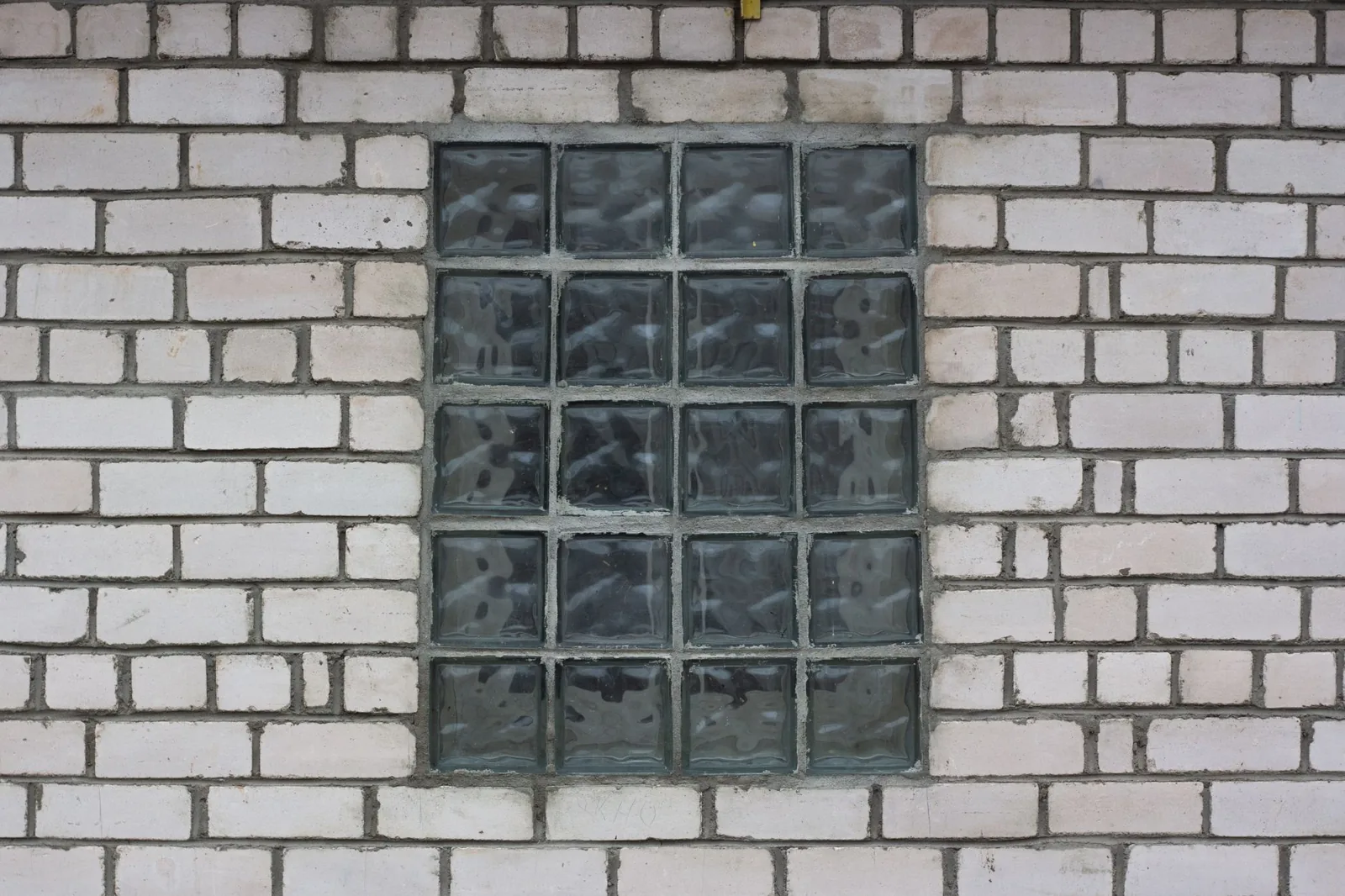
Photo by Plato Terentev via Pexels
Installation: Hire a Pro or DIY?
There are two realistic paths for a glass block window, and they depend on your framing and your patience.
Mortar installation is the traditional method — blocks set in mortar inside a prepared opening, like a small masonry wall. It’s sturdy and weathertight when done right, but it’s genuinely skilled work. Getting the joints even and the panel plumb takes practice, and a sloppy mortar job is both ugly and a leak risk.
Vinyl or silicone grid systems (the kind Pittsburgh Corning popularized) snap blocks into a pre-made frame with silicone spacers, so there’s no mortar to mix and far less room for error. Preassembled panels go a step further: you order the whole window built to your opening size and set it like a regular window unit.
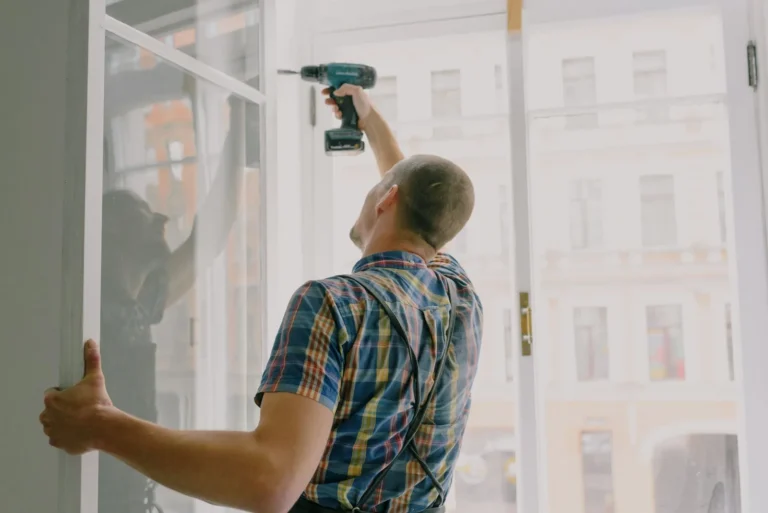
If the opening is standard-sized and in good shape, a competent DIYer with a preassembled panel can do the job in an afternoon. If it involves enlarging a rough opening, working above the first floor, or carrying a hundred pounds of glass up a ladder, hire a pro. The installation steps aren’t wildly different from installing a replacement window, but the weight and the precision are a bigger lift than most homeowners expect.
Frequently Asked Questions
Are glass block windows energy efficient?
They’re better than single-pane glass but worse than a modern double-pane unit. A hollow block assembly rates around R-1.15 to R-1.96. The U.S. Department of Energy notes that any window’s real-world efficiency depends heavily on proper installation and sealing, so airtight framing matters more than the block pattern you pick.
Can glass block windows open?
Standard glass block panels do not open. If you need ventilation, look for operable inserts — small casement or awning vents set into a block panel — or combine a fixed block section with a separate operable window.
Are glass block windows good for basements?
Yes, they’re one of the best fits. Basement openings are ground-level, so block panels add privacy and break-in resistance while still letting in daylight, and standard basement window sizes keep the project affordable.
How much does a glass block window cost installed?
Most installed glass block windows run $400 to $900 for a standard 2-by-3-foot opening, including materials and labor. Larger openings, second-story work, or structural reframing can push the total well past $1,000.
Do glass block windows add value to a home?
They add value mainly where a problem window exists — a ground-floor or side-yard opening that needs privacy, security, or both. In a standard living-room window with a view, glass block usually subtracts appeal rather than adding it, because it removes the view and the airflow.
For installation and privacy trade-offs, This Old House covers glass block windows.
The Bottom Line
Glass block windows are a specific tool, not a whole-home style. Where they fit — bathrooms, basements, garages, entries, and any opening that needs light without a view — they solve a privacy problem permanently, with a durability that film and frosted glass can’t match. Where they don’t fit is any window you want to open or look through.
Before you buy, measure the opening, decide between mortar and a preassembled panel, and get two or three quotes if the job involves structural work. Done well, a glass block panel is a clean, low-maintenance upgrade that still looks current decades later. If you’re weighing it against a full replacement, compare the numbers in our window replacement cost guide first, then choose the option that matches how you actually use the room.