Front Door with Sidelights Ideas for a Brighter, Safer Entryway
A front door with sidelights ideas is one of the fastest ways to change how your whole house reads from the street. Sidelights — the narrow vertical windows that run alongside an entry door — add natural light to a foyer, make a standard door feel wider and more welcoming, and give a plain facade real presence. They also cost far less than a full-width double door while delivering a similar first impression.
The catch is that sidelights are not a one-size-fits-all upgrade. Glass choice, privacy, security, and framing all affect how much you pay and how well the door performs. This guide walks through the layouts, materials, prices, and practical trade-offs so you can pick a front door with sidelights that actually fits your house.
Why a Front Door with Sidelights Works So Well
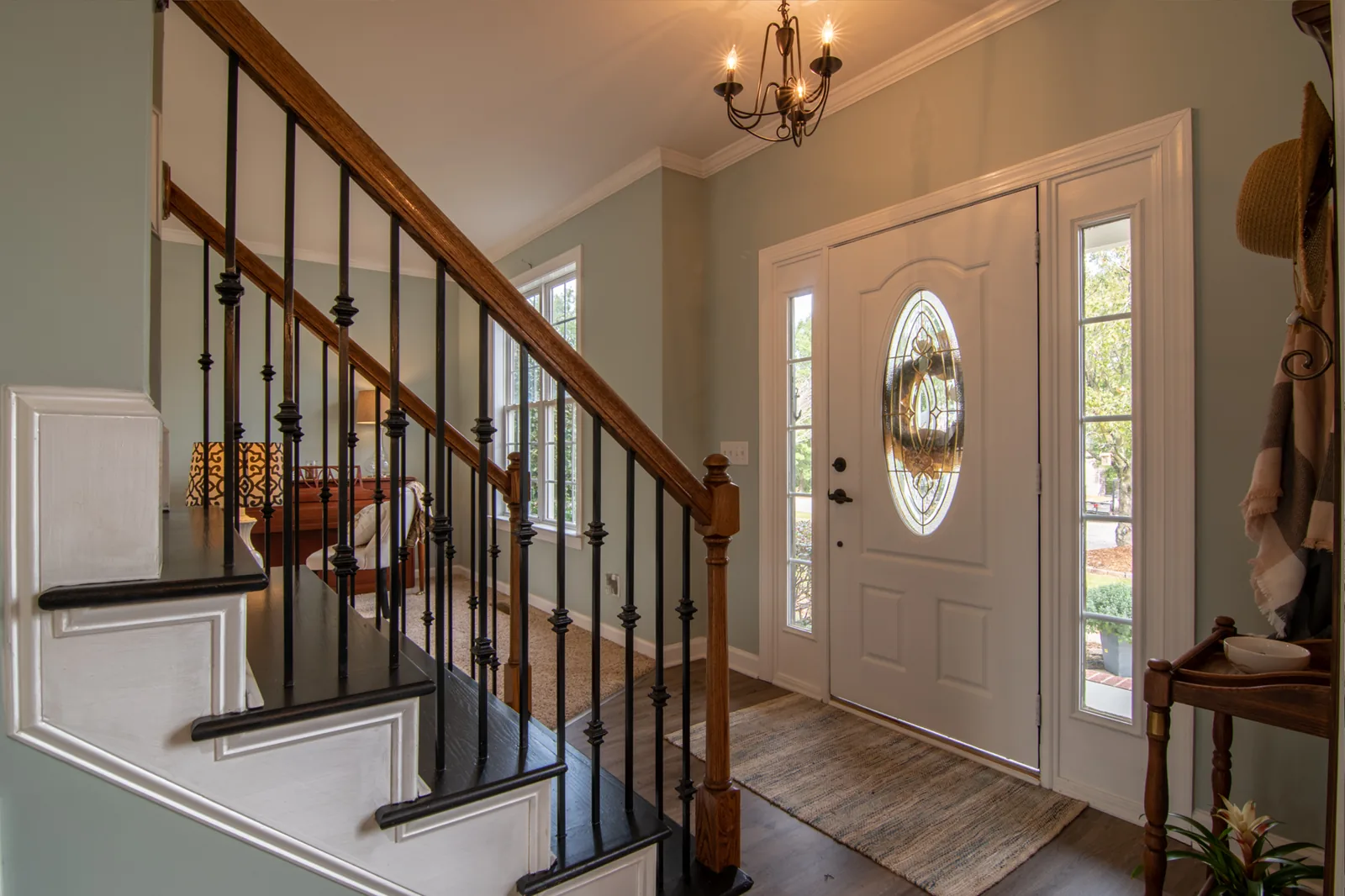
Sidelights solve a common problem: most entryways are dark. A solid door blocks the one opening that could bring daylight into the front of the home, so hallways and foyers stay dim even at noon. One or two sidelights change that, spilling light across the floor without adding a single square foot of window elsewhere.
They also stretch the look of the door. A standard 36-inch front door reads as narrow on a wide facade. Add two 12- to 14-inch sidelights and the same opening now spans five to six feet of glass and frame, which balances the front elevation and makes the entry the focal point instead of an afterthought.
Finally, sidelights add resale appeal with modest cost. Realtors consistently list front-door upgrades among the best exterior projects for return on investment, and a door with sidelights photographs better in listings than a bare single door. This Old House’s front door primer is a solid reference for weighing materials against price. Buyers remember a bright, well-framed entry.
Popular Front Door with Sidelights Styles and Layouts
The right layout depends on how much wall space you have on either side of the door and how much light you want.
Single Sidelight
One sidelight on the hinge side or latch side is the most affordable option and the easiest retrofit. It works well on homes where the door sits off-center or where only one side of the opening has room. Expect to pay roughly $700 to $2,500 for a sidelight added to an existing opening, depending on material and glass.
Two Sidelights
Symmetrical sidelights on both sides of the door are the classic “grand entry” look. This is the most popular choice for craftsman, colonial, and farmhouse facades, and it pairs naturally with a transom window above. A full pre-hung door unit with two sidelights typically runs $1,500 to $4,000 for materials alone, before installation labor.
Sidelights with a Transom
Adding a transom — a horizontal window above the door — stacks light vertically and works beautifully with sidelights. The combined effect is a bright entry that feels taller than it is. Transoms add $300 to $900 to a project and require a taller rough opening, so they are easier on new builds than retrofits.
Full-Height vs. Three-Quarter Sidelights
Full-height sidelights run from the floor to the top of the door and let in the most light. Three-quarter sidelights stop short of the floor, which leaves room for a low planter or a bench inside and reduces glare at eye level. If the door faces a busy sidewalk, three-quarter glass also gives you more privacy where it matters.
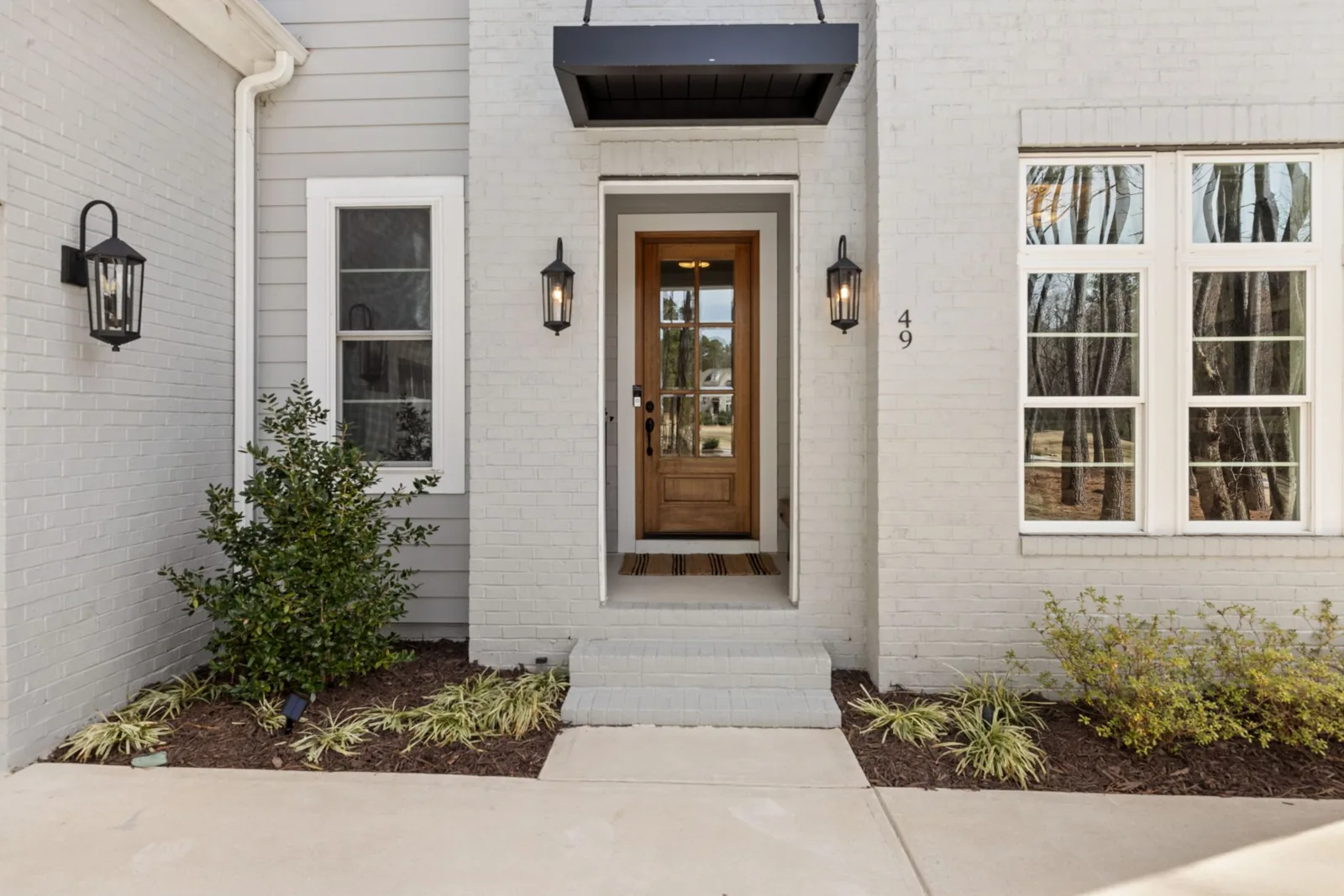
Photo by Curtis Adams via Pexels
Materials and Costs: What to Expect
Sidelight pricing tracks the door material, not just the glass. Here is how the common options compare on a two-sidelight entry door unit, installed.
| Feature | Fiberglass Door + Sidelights | Steel Door + Sidelights | Solid Wood Door + Sidelights |
|---|---|---|---|
| Installed cost (2 sidelights) | $2,500–$5,500 | $1,800–$4,200 | $3,500–$8,000+ |
| Insulation / energy | Excellent; foam core | Good; insulated core | Moderate; solid but conductive |
| Durability | Very high; won’t dent or rot | High; can dent and rust at scratches | High if maintained; can warp/rot |
| Maintenance | Very low | Low | High; needs sealing/painting |
| Common brands | Therma-Tru, Plastpro, Feather River | Masonite, Therma-Tru, Steves & Sons | JELD-WEN, Simpson, Pella |
Fiberglass is the sweet spot for most homeowners. It costs less than wood, needs almost no upkeep, and its foam core insulates the whole unit including the sidelight frames. Brands like Therma-Tru and Plastpro build fiberglass sidelight units that look convincingly like stained wood from six feet away.
Wood sidelights are the premium choice for historic homes and high-end renovations, but they demand annual sealing and are the least forgiving of rain and sun. Steel is the budget workhorse — strong and secure — but a dented steel sidelight frame is not something you can easily repair.
If you are already replacing the door anyway, upgrading to a pre-hung unit with sidelights is far cheaper than cutting a new opening later. You can see current material pricing alongside related projects in our front door replacement cost guide.
Glass, Privacy, and Energy Efficiency
Glass is where a sidelight goes right or wrong. Standard clear glass floods the entry with light but also gives anyone on the porch a clear view into your home after dark. A few upgrades solve that.
- Frosted, etched, or textured glass obscures the view while keeping the light. Rain, reed, and glue-chip patterns are the most common.
- Decorative stained or beveled glass adds a focal point and hides the interior, but costs more — expect $400 to $1,200 per sidelight for custom beveled panels.
- Low-E glass blocks infrared heat and UV rays, keeping the foyer cooler in summer and protecting rugs and floors from fading.
- Impact-rated or tempered glass matters in coastal and storm-prone regions and is required by code in some areas.
Energy performance matters because a sidelight is still a window. Look for an ENERGY STAR-rated unit for your climate zone and check the U-factor and Solar Heat Gain Coefficient on the label. An insulated fiberglass or steel frame with low-E sidelight glass will outperform an old single-pane wood unit by a wide margin — the same physics covered in our best windows for energy efficiency breakdown.
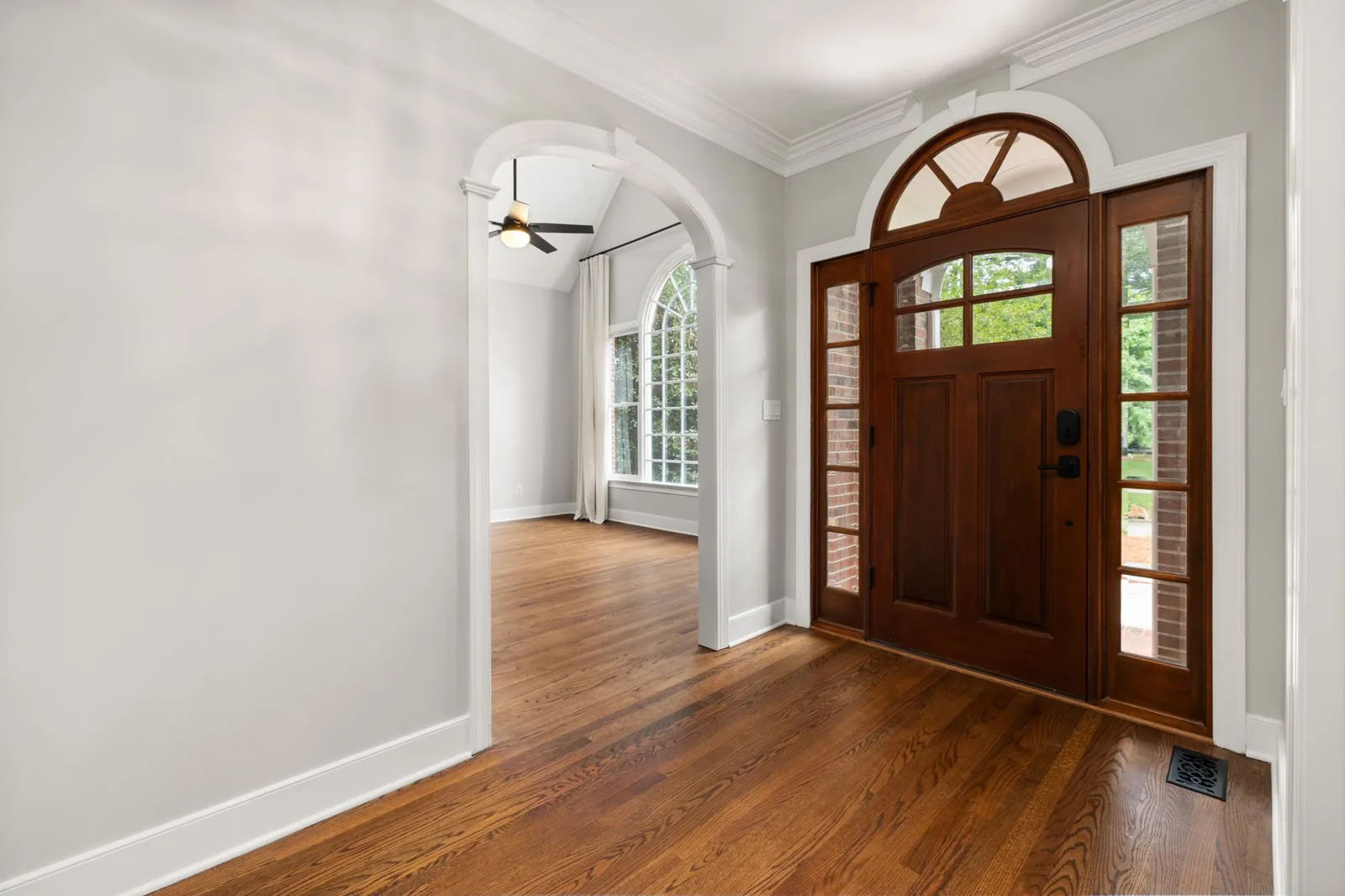
Photo by Curtis Adams via Pexels
Security and Smart Lock Considerations
The honest trade-off of sidelights is security. A burglar can break a sidelight, reach through, and unlock the door from inside. That risk is manageable if you plan for it.
First, choose tempered glass, which shatters into small dull pieces and is much harder to break through quickly. Second, keep the deadbolt well away from any glass — at least 40 inches from the nearest glazing is the standard advice, and some insurers require it. Third, if you want a keypad or smart lock, note that glass near the lock is exactly where a reach-in attack happens.
Smart locks work fine with sidelight doors as long as the lock is not directly adjacent to glass and you enable a keyless entry plus an auto-lock timer. For added peace of mind, a reinforcement kit or a double-cylinder deadbolt (keyed on both sides) removes the “reach in and turn the thumb latch” problem entirely, though double-cylinder locks raise their own fire-escape concerns. Many homeowners pair a tempered sidelight with a simple monitored sensor instead.
Installation and Sizing: What You Need to Know
Installing sidelights is not a casual DIY weekend project, mostly because of framing. A true sidelight is not a decorative panel screwed to the wall — it is part of the door unit, and adding one means widening the rough opening, reframing with a new header, and re-flashing the entire assembly.
- Replacing an existing door with a new pre-hung sidelight unit is the standard path and costs $500 to $1,200 in labor on top of materials.
- Adding sidelights where none existed requires a structural header and often a permit, pushing labor to $1,500 to $3,000 or more.
- Check local code. Any exterior glazing near a door may need tempered glass, and widening a load-bearing opening usually requires an engineer’s letter and a permit.
If the wall is not wide enough for a full sidelight, narrower “mini-sidelights” or a single three-quarter panel can fit a tight foyer. Before committing, confirm the rough opening width and ceiling height, and compare against the frame sizes from a few manufacturers. For a sense of how a door project interacts with the surrounding trim and flashing, our window replacement cost guide covers similar structural work on the window side.
Frequently Asked Questions
Do sidelights add value to a home?
Yes, in most markets. A brighter, wider-looking entry improves curb appeal and photographs well in listings, and front-door replacements consistently rank among the top exterior projects for resale return. The gain is strongest when the siding, trim, and lighting around the door are updated at the same time.
How much does it cost to add sidelights to an existing door?
Adding sidelights to an opening that does not currently have them typically costs $2,000 to $5,000 installed, because it requires widening the rough opening and reframing with a new header. If you are replacing an existing sidelight unit, expect to pay less — roughly $2,500 to $5,500 for a full fiberglass door with two sidelights.
Can you put sidelights on any front door?
Most single entry doors can be converted to a sidelight unit, but you need enough clear wall on one or both sides and enough structural room for a wider header. Doors on short walls, or walls packed with plumbing and electrical, may only fit a narrow single sidelight or none at all.
Are sidelights a security risk?
They can be, if they use plain glass or sit right next to the lock. Tempered or impact-rated glass, a deadbolt positioned at least 40 inches from the glazing, and a smart lock with an auto-lock timer reduce the risk substantially. Some homeowners add a double-cylinder deadbolt for extra protection.
What is the most popular front door with sidelights style?
The symmetrical two-sidelight fiberglass unit — often with frosted or rain-pattern glass and a transom above — is the most popular choice for craftsman, colonial, and farmhouse homes. It offers the best balance of light, cost, and durability for most climates.
The Bottom Line
A front door with sidelights is one of the few exterior upgrades that improves how your home looks, how it feels inside, and how much it might sell for — all without the cost of a full-width double door. Fiberglass two-sidelight units are the practical default for most homes, with frosted or low-E glass to balance light against privacy and heat.
Plan for tempered glass, keep the lock clear of the glazing, and budget for professional framing if you are adding sidelights where none exist. Pair the door with a matching transom and fresh trim, and the entry becomes the part of the house people remember. If you are ready to price out the full project, start with a front door replacement cost estimate and compare it against the door you have now.