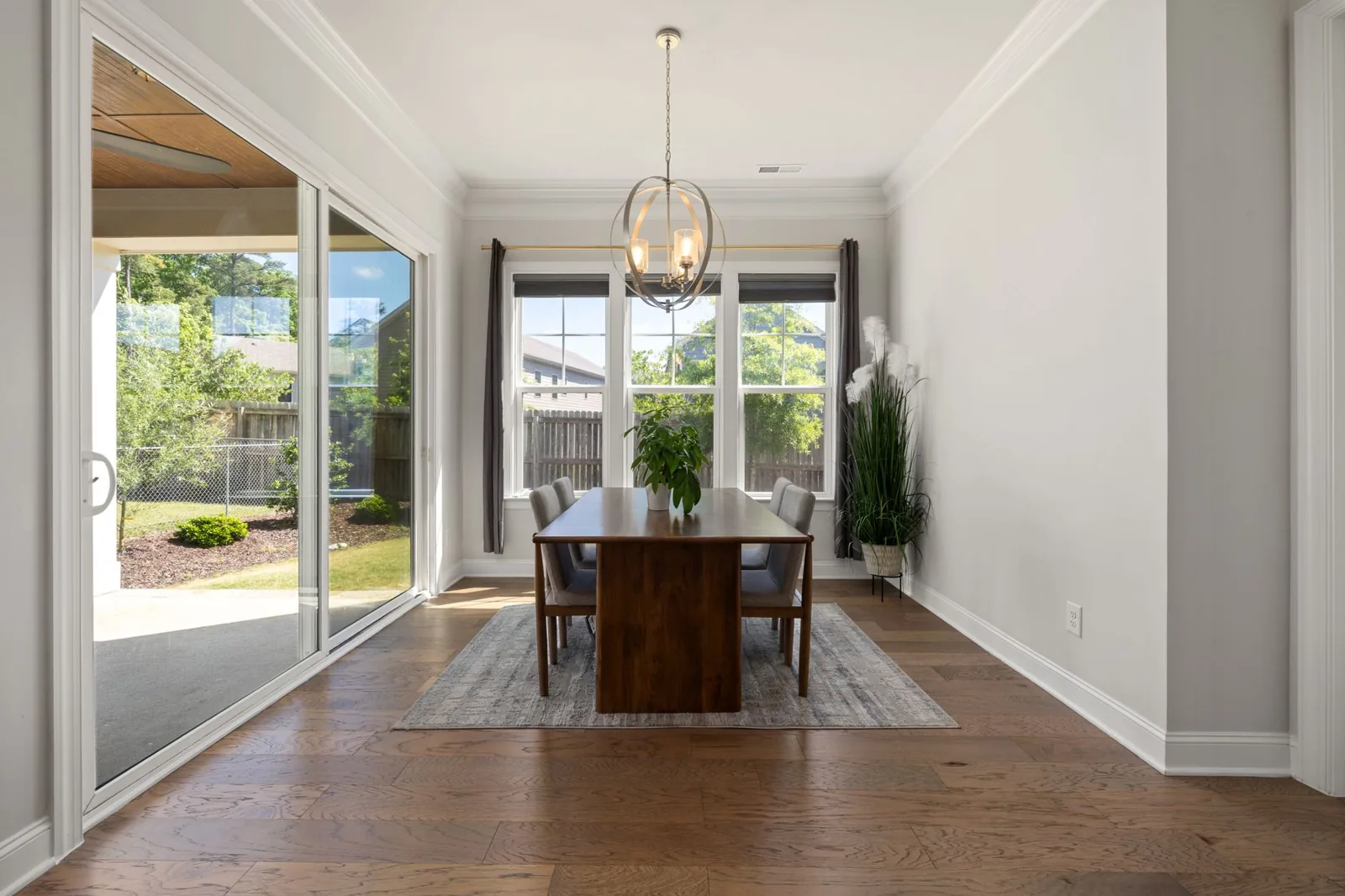
Sliding Glass Door vs French Door: Which Patio Door Fits Your Home?
A patio door is more than just an exit. It is the largest pane of glass on your back wall, the main source of natural light for the room behind it, and one of the first features a buyer notices when they tour your home. If you are weighing a sliding glass door vs French door, you are really choosing between two very different ways to move between indoors and out, and the decision affects your furniture layout, your heating bill, and how you actually use the deck or patio.
Sliding glass doors, often called patio sliders, are made of large panels that glide horizontally along a track. A French door is a pair of hinged panels that swing open from the center, usually inward in American homes. Both open onto the same backyard, but they occupy space in completely different ways and carry very different price tags.
This guide walks through the differences that matter: cost, energy performance, security, maintenance, and the layout each style belongs in, so you can make the call once and get it right.
Sliding Glass Door vs French Door: Key Differences at a Glance
Sliding doors win on glass area, natural light, and floor space. French doors win on the classic open look and how wide they open. The right choice usually comes down to what the room can physically fit.
| Feature | Sliding Glass Door | French Door |
|---|---|---|
| Typical installed cost | $1,200–$4,000, average near $2,500 | $1,800–$5,500, premium above $8,000 |
| Maximum opening width | One panel stays fixed on a two-panel unit | Both panels swing, opening up to ~6 ft |
| Floor space when open | None — panels slide on a track | Needs 5+ ft of swing clearance |
| Natural light | Largest possible glass area | Slightly less glass, divided by stiles |
| Common materials | Aluminum, vinyl, fiberglass, wood | Wood, fiberglass, steel, aluminum-clad wood |
| Best for | Tight rooms, wide views, walls close to the house | Classic look, wide walk-throughs, entertaining |
How Each Door Style Works
A sliding glass door hangs its panels on rollers that ride inside a bottom track. One panel stays fixed while the other glides to the side; on three- and four-panel units, sections stack or pocket to open a longer span. The mechanism is simple, which means fewer moving parts to break.
A French door is essentially two swing doors placed side by side. The panels, technically called leaves, are hinged at the outer edges of the frame and meet in the middle, where a vertical molding called an astragal covers the gap. French doors in the United States most often swing inward.
Where Sliding Doors Shine
- Rooms where every square foot counts, because a slider never swings into the living space.
- Walls that back onto a pool, deck, or patio within a few feet of the house.
- Wide openings where you want the biggest pane of glass possible for a view.
Where French Doors Shine
- Homes where the patio door is a focal point, such as a dining room or primary bedroom.
- Entertaining spaces where both panels open wide to move furniture or a crowd through.
- Traditional and transitional architecture, where the divided-glass look fits the house.
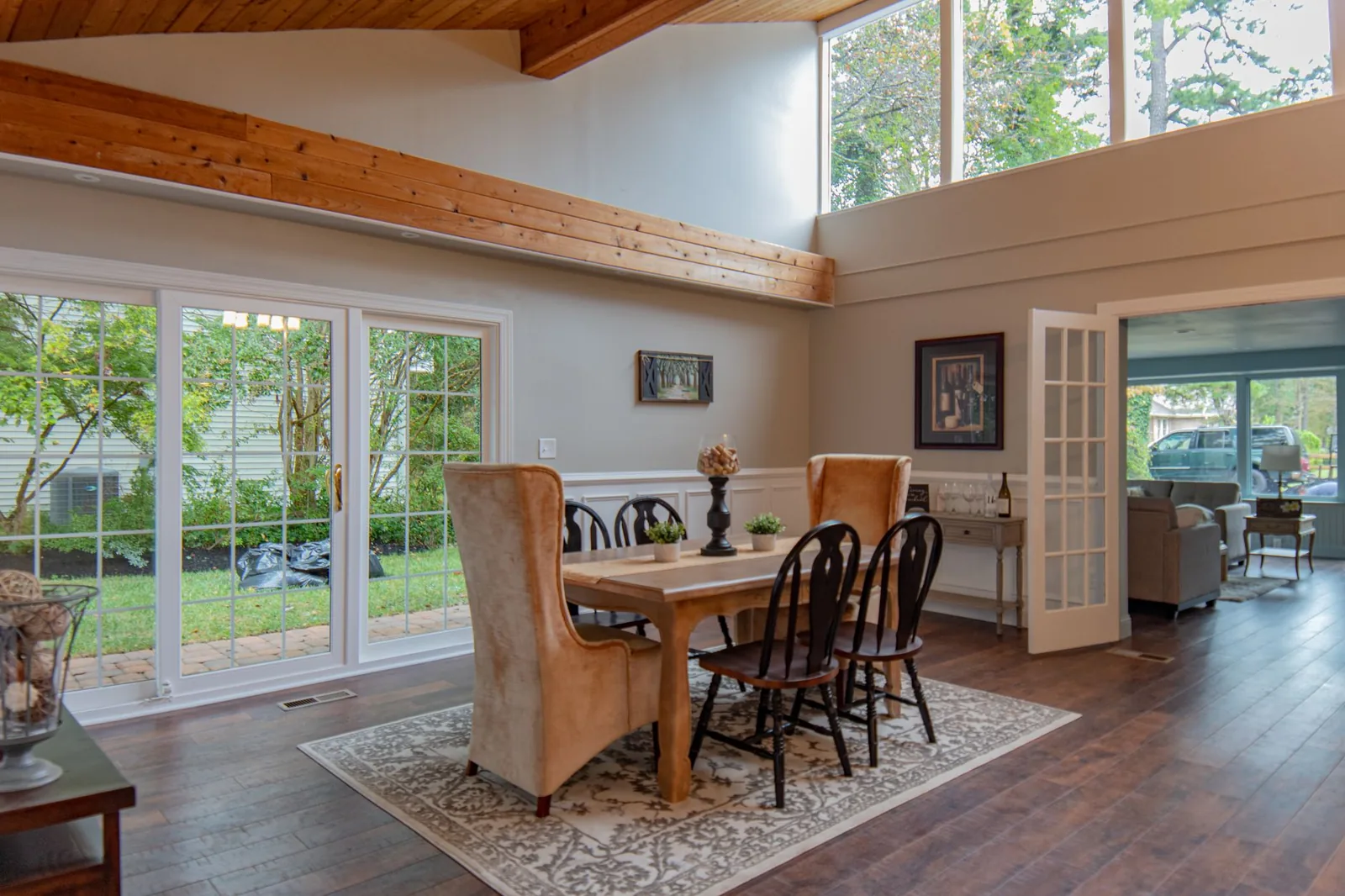
Photo by Dan Hadley via Pexels
Cost: What You Will Actually Pay Installed
Door prices swing widely with material and labor, but these are workable all-in ranges for a standard 6-foot opening in the United States. The national average to install a sliding patio door lands around $2,500, according to This Old House, with real projects running from a few hundred for the most basic unit to $10,000 and above for premium wood or fiberglass models.
- Sliding glass doors: $1,200 to $4,000 installed. A basic aluminum or vinyl slider runs under $1,500 all-in; a mid-range vinyl or fiberglass slider lands between $2,000 and $3,000; wood and premium triple-pane units reach $4,500 and up.
- French doors: $1,800 to $5,500, with high-end products above $8,000. Off-the-shelf exterior French door slabs at a big-box store start around $400, but expect $2,500 to $4,000 all-in for a solid wood or fiberglass pair with proper installation and trim.
Labor is the quiet variable. Swapping in a new slider often costs $300 to $800 in labor, while a French door runs $400 to $1,000 because the swing pair needs more careful shimming and leveling. In most markets, a comparable-quality French door costs roughly 20 to 30 percent more than a slider.
If you are already budgeting for windows, our guide to window replacement cost explains where the money goes in a full rehab so you can price the door in the same scope of work.
Energy Efficiency and Insulation
Both door types can clear modern energy benchmarks, and both can miss them if you buy on price alone. Look for the ENERGY STAR label and check the U-factor, where a lower number means less heat loss.
- Glass packages. Both sliders and French doors now come with double-pane, Low-E coated, argon- or krypton-filled glazing. Triple-pane is available on both and is worth the premium in extreme cold.
- Air leakage. Sliders seal along long, straight runs of weatherstripping; when the strips wear or the track fills with grit, drafts creep back in. French doors have more edge length and two moving panels, so they depend on a well-set threshold and astragal for a tight seal. Measured performance between a quality slider and a quality French door is close, and the gap is usually installation, not design.
Check the U-factor against the ENERGY STAR program’s performance criteria, which are independently verified by the NFRC for every climate zone. You can look up the minimum ratings for your region on the ENERGY STAR windows, doors, and skylights page.
For the wider picture on glazing and coatings, see our breakdown of the best windows for energy efficiency.
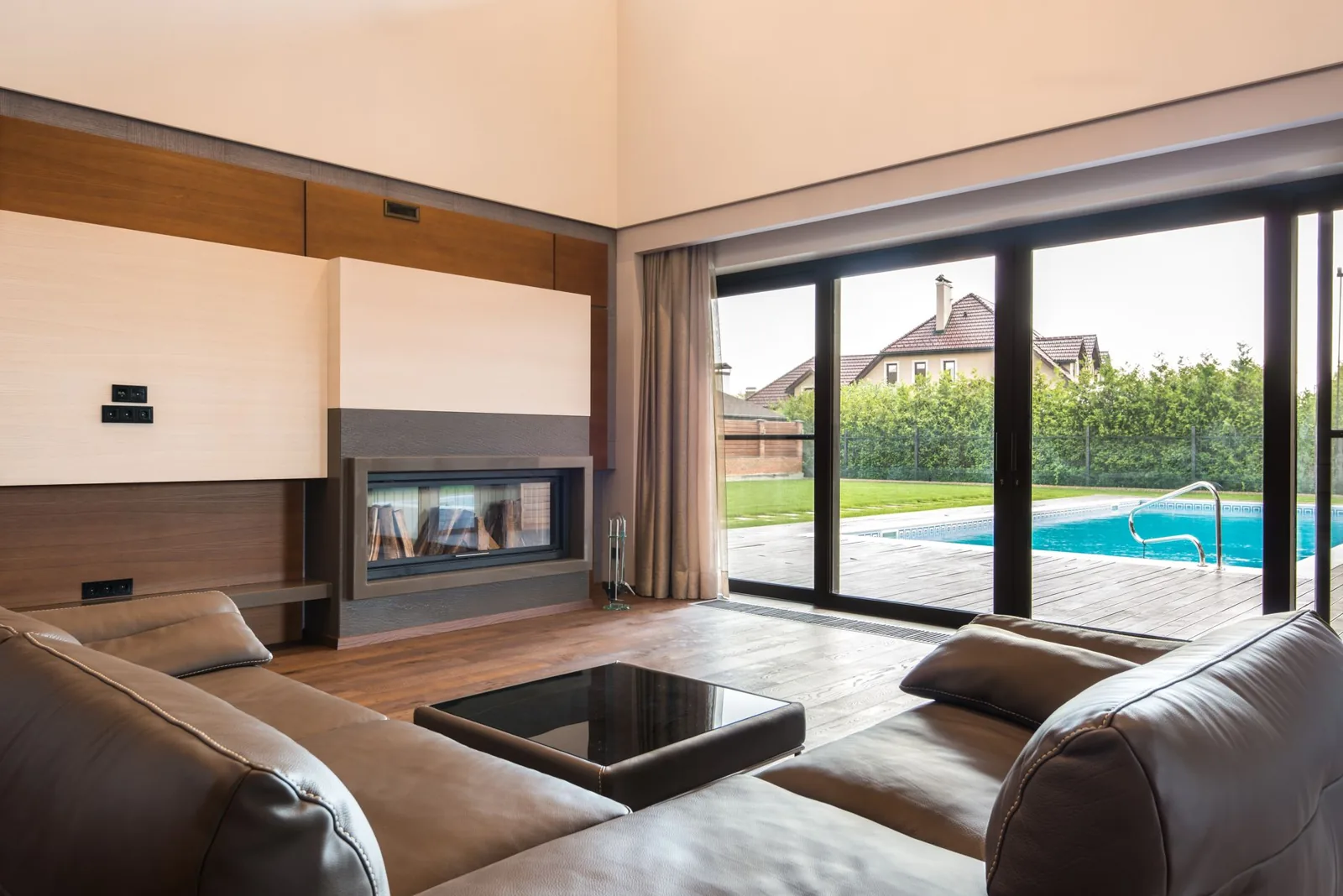
Photo by Max Vakhtbovych via Pexels
Security: Locking and Break-In Resistance
Both doors are mostly glass, so neither is a vault, but each style has a different weak point you need to address.
Sliding doors have two classic vulnerabilities: a panel that can be jimmied and, on older units, a panel that can be lifted straight off its track. A security bar or a foot bolt dropped into the track solves both for under $30. Modern sliders carry a deadbolt-style latching system on the moving panel.
French doors spread their security across multiple locking points. The active leaf gets a deadbolt, the passive leaf is secured with flush bolts at the top and bottom, and higher-end units use a three-point multipoint lock. Because less depends on a single latch, a French door is marginally harder to force open when everything is bolted.
Either way, install a reinforced strike plate, and for a ground-level door, insist on tempered safety glass. Code already requires tempered glass in doors with glass near the floor, so exterior sliders and French doors should ship with it.
Maintenance and How Long Each Lasts
Plan on upkeep with both, but the work is different.
- Sliding doors: the bottom track is the weak point. It collects dirt, leaves, and pet hair that grind down rollers and weatherstripping. Clean the track monthly and lubricate the rollers once or twice a year. Plan to replace rollers eventually ($15 to $50 per set), and the full door in 20 to 30 years if the frame is vinyl or fiberglass.
- French doors: the hinges carry real weight, so sagging is the classic failure. Re-tighten hinge screws and check the reveal, the even gap around each leaf, every year. Wood doors need repainting or resealing every few years; fiberglass and steel-clad doors need far less. A well-built French door can also last 30-plus years with regular care.
If the frame is sound but the door unit is shot, check front door replacement cost to see what a new entry unit runs before you assume a full rebuild.
Frequently Asked Questions
What is the main difference between a sliding glass door and a French door?
A sliding glass door uses large panels that glide horizontally on a track and needs no swing space. A French door is a pair of hinged panels that swing open from the center, requiring a clear swing arc but opening wider.
Which is more expensive, a sliding glass door or a French door?
A French door typically costs more. Installed, a comparable-quality French door runs about 20 to 30 percent above a slider, driven by extra hardware, more careful installation, and the more common use of wood frames.
Do French doors or sliding doors leak more air?
Neither inherently leaks more. A well-installed slider and a well-installed French door with good weatherstripping perform closely. The drafts people blame on design usually trace back to worn seals or a bad threshold.
Which door type is better for a small room?
A sliding glass door. Because the panels slide instead of swing, a slider eats no floor space, making it the better fit for a tight living room, bedroom, or hallway where a French door’s swing arc would block furniture or foot traffic.
Can I make either door more energy efficient?
Yes. Choose double- or triple-pane Low-E glass with argon fill, confirm an ENERGY STAR rating and a low U-factor, and keep the weatherstripping in good condition. Those upgrades matter more than the door style itself.
The Bottom Line
Choose a sliding glass door when the priority is a big view, maximum light, and zero sacrificed floor space, especially in a tight room or on a wall close to the house. Choose a French door when you want a classic, wide, open feel, have the swing clearance to spare, and do not mind paying a modest premium for the look.
Either way, spend on the glass package, not just the frame. ENERGY STAR-rated, Low-E, argon-filled double or triple glazing pays back in comfort and utility bills long after the installation invoice is forgotten. Get quotes from at least three local installers, and make sure each bid spells out the same glass package and warranty so the comparison is honest.