Vinyl vs Wood Windows: Which Frame Material Is Right for Your Home?
Homeowners weighing vinyl vs wood windows are really weighing two different philosophies about how a house should look, age, and behave over the next two or three decades. Vinyl frames sell on price, low upkeep, and solid thermal performance. Wood frames sell on authenticity, warmth, and the kind of curb appeal that holds up in older, higher-end neighborhoods. Neither is automatically better — the right answer depends on your budget, your climate, and how much time you’re willing to spend on a ladder with a paintbrush.
This guide breaks down the real numbers on cost, lifespan, energy efficiency, and maintenance so you can make the call without leaning on showroom sales talk. We’ll also cover resale value and the specific situations where one material clearly wins.
What Are Vinyl Windows?
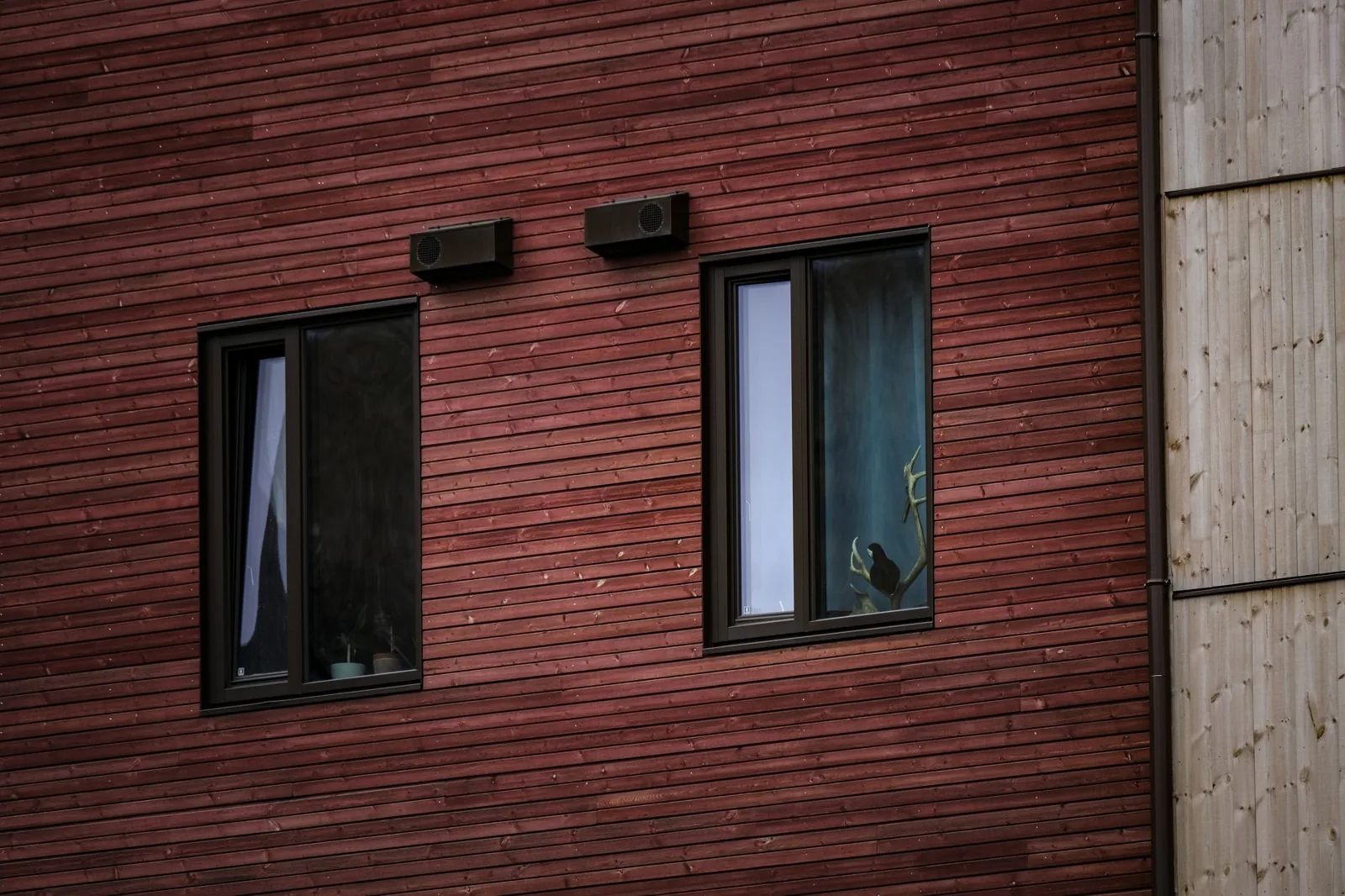
Vinyl replacement windows get their name from the frame material: rigid, extruded polyvinyl chloride, usually called uPVC. The frames are hollow but engineered with multiple internal chambers that trap air and slow heat transfer. Factory-welded corners mean there are no mechanical fasteners at the joints, which helps the frames resist air leaks for years.
Most vinyl windows are sold in standard sizes from brands like Andersen’s vinyl line, Pella’s 250 Series, Simonton, Milgard, and JELD-WEN. Custom sizes are available, but off-the-shelf dimensions keep prices competitive. You can get vinyl in a handful of factory colors today — historically it was white only — but you can’t repaint it the way you can a wood frame. Color goes through the extrusion in most modern products, so scratches don’t expose a bright white layer underneath.
These frames are the go-to for entry-level and mid-range replacements because they’re inexpensive, rot-proof, and nearly maintenance-free.
What Are Wood Windows?
Wood windows use solid wood — commonly pine, fir, or Douglas fir on the interior, with options like oak, cherry, or mahogany available at custom price points — for the frame and sash. Many modern wood windows are actually wood-clad hybrids: real wood on the inside, aluminum or fiberglass cladding on the exterior to resist weather. Examples include Pella’s Architect Series, Andersen’s E-Series, and Marvin’s Signature line.
The appeal is twofold. First, wood is a natural insulator with a warm, craftsman look that vinyl can’t fully imitate up close. Second, wood is the only window frame you can sand, stain, or paint to any color, which matters in historic districts and neighborhoods with strict architectural guidelines. The trade-off is upkeep: exposed exterior wood needs refinishing every three to five years in most climates, or it will cup, crack, and rot.
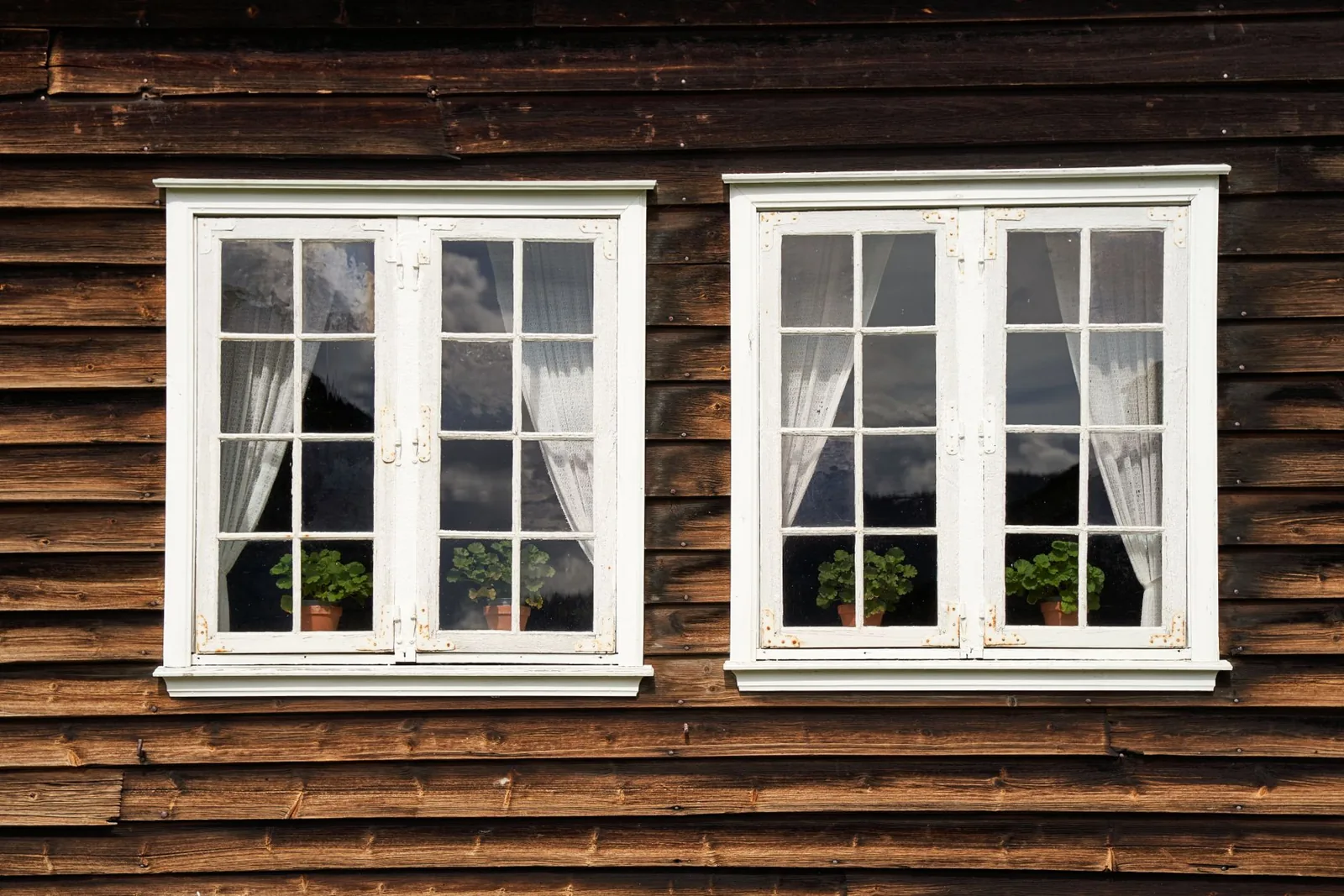
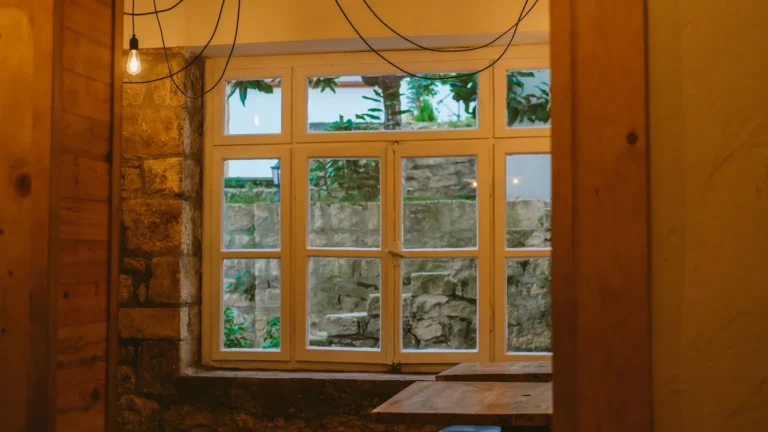
Photo by Barnabas Davoti via Pexels
Vinyl vs Wood Windows: Cost Comparison
Price is where the two materials diverge most sharply, and it’s the number one reason vinyl dominates the replacement market.
For a standard double-hung replacement window installed by a pro, expect to pay roughly $250 to $600 per unit for vinyl and $500 to $1,200 per unit for wood. At the custom end, premium wood windows with interior oak and simulated divided lites can push past $1,500 to $2,500 per opening, while a top-of-the-line vinyl unit rarely exceeds $800 or so. Across a whole-home project of ten windows, that’s often a $3,000 to $7,000 difference — enough to make many homeowners stop and reconsider.
Here’s how the two stack up side by side:
| Feature | Vinyl Windows | Wood Windows |
|---|---|---|
| Installed cost per window | $250–$600 | $500–$1,200 |
| Average lifespan | 20–40 years | 30+ years (with upkeep) |
| Maintenance | Wash frames yearly | Repaint or stain every 3–5 years |
| Insulation (R-value) | R-2 to R-3 (multi-chamber) | R-2.5 to R-4 (solid wood) |
| Color options | Limited factory colors | Paintable/stainable, any color |
| Resale impact | Neutral to good | Strong in historic and premium homes |
Labor costs run slightly higher for wood too, because the installers are handling heavier, more delicate material that has to be shimmed and squared with care. Your window replacement cost depends as much on the frame material as it does on the glass package and the size of the job.
Durability and Lifespan
On paper, both materials last a long time. Vinyl frames typically carry a 20- to 40-year expected life, and most manufacturers back them with transferable warranties of a decade or two. Vinyl won’t rot, won’t attract termites, and won’t rust. Its main vulnerability is heat: dark-colored vinyl in direct sun can soften, warp, or lose its shape over time, which is why most vinyl stays light-colored.
Wood windows can last 50 years or more, but only if they’re cared for. Rot is the killer — it starts where water pools at the sill and spreads into the sash. Left unpainted or unstained in a wet climate, an exterior wood frame can show serious damage inside of a decade. Keep up with sealing and refinishing, though, and a quality wood window will outlast the vinyl next to it by a comfortable margin.
For coastal and consistently humid regions, vinyl has a clear edge. For dry, temperate climates where the upkeep is manageable, wood’s longevity can justify the higher sticker price.
Energy Efficiency and Insulation
Both materials can meet ENERGY STAR standards when paired with the right glass, so the frame alone rarely makes or breaks a utility bill.
That said, solid wood is a slightly better natural insulator. Wood frames carry R-values around R-2.5 to R-4, while vinyl’s multi-chamber construction lands in the R-2 to R-3 range. In practice, the difference is modest — often a degree or two on a cold night — and the glass package matters far more. A triple-pane, low-E, argon-filled unit will outperform a single-pane sash regardless of frame material.

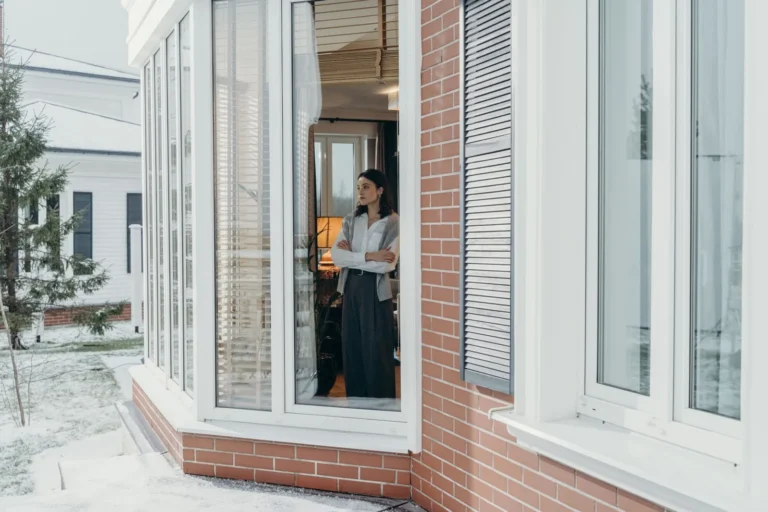
Photo by Max Grakov via Pexels
Vinyl’s welded corners give it an edge in air-leak testing, since there are no joints for wind to find. Wood frames can be slightly more prone to leak at the corners over time if the paint fails and the wood swells. If cutting heating and cooling cost is your priority, check our guide to the best windows for energy efficiency before you choose a frame material.
Maintenance and Upkeep
This is the category that decides the debate for most buyers. Vinyl asks almost nothing of you: a yearly rinse with soapy water, a wipe of the tracks, and a check of the weatherstripping. There’s no painting, no staining, no caulking gaps to chase every spring. For busy households, that’s a real and lasting benefit.
Wood asks for a commitment. Exterior surfaces need to be checked each year and repainted or stained roughly every three to five years, and caulking around the frame should be refreshed as it dries and cracks. Skip it and the warranty on the wood often won’t cover the rot that follows, since most manufacturers require documented maintenance. If you’re handy and enjoy the work, wood is fine. If you hate touch-ups, vinyl removes a slow-burning chore from your life — a point worth checking against our how to install a replacement window guide if you’re handling part of the work yourself.
Appearance, Curb Appeal, and Resale Value
Vinyl has come a long way from the cheap, chalky frames of the 1990s, and modern profiles do a reasonable imitation of wood grain. But up close, vinyl still reads as vinyl — the frames are thicker, the corners welded, and the color palette limited.
Wood still sets the standard for looks, especially on Craftsman, Colonial, Victorian, and mid-century homes. Thin, crisp profiles, real grain, and the option to match trim paint exactly make wood the default in historic districts, where a homeowners’ association or preservation board may outright require it.
On resale, vinyl is fine — it’s cheap enough that buyers rarely complain, and it signals “low maintenance” to first-time buyers. Wood is a genuine selling point in premium neighborhoods, where authentic materials read as quality rather than obligation. Neither will sink a sale, but wood can help you get more when you replace a front door or bundle window and door upgrades into a larger exterior refresh.
Frequently Asked Questions
How much more expensive are wood windows than vinyl?
Wood windows typically cost $500 to $1,200 per unit installed, compared with $250 to $600 for vinyl — roughly double on average. Across a ten-window project, expect to pay $3,000 to $7,000 more for wood, and more still for custom premium species.
Do vinyl windows look cheap?
Modern vinyl looks much better than it did twenty years ago, but it still can’t fully match the thin profiles and real grain of wood up close. Vinyl is a perfectly acceptable mid-range look; wood is the choice when authenticity matters, especially in historic or high-end homes.
Can you paint vinyl windows?
You generally should not paint vinyl. Paint doesn’t bond well to uPVC and can void the warranty, and dark paint absorbs heat that can warp light-colored vinyl. If you want a specific color, buy a factory-finished unit or choose a paintable wood or wood-clad frame.
Are wood windows better insulators than vinyl?
Slightly. Solid wood carries an R-value of roughly R-2.5 to R-4, versus R-2 to R-3 for vinyl’s multi-chamber frames. The difference is small, and the glass package (double or triple pane, low-E, gas fill) has a far larger effect on overall efficiency.
Which lasts longer, vinyl or wood windows?
Wood can last 50 years or more with consistent refinishing, while vinyl typically lasts 20 to 40 years. If maintenance is neglected, however, wood can rot within a decade — so vinyl is the lower-risk choice for hands-off homeowners.
The Bottom Line
Choose vinyl windows if you want the best value, minimal upkeep, and solid efficiency without babysitting your frames. For most homes and most budgets, vinyl is the sensible default.
Choose wood windows if you own an older or historic home, care about authentic appearance and repainting flexibility, and are willing to maintain them. Wood costs more up front and more over time, but it rewards that effort with looks and longevity that vinyl can’t match.
Still comparing frame materials? Our double-hung vs casement window guide covers the other big decision in replacement windows, and a full window replacement cost breakdown will help you budget the whole project.