Soffit and Fascia Repair Cost: What Homeowners Should Expect to Pay
Soffit and fascia repair cost is one of those line items most homeowners never budget for until they have to. The soffit is the horizontal board tucked beneath your roof’s overhang; the fascia is the vertical board your gutters hang from. Together they seal the gap between your roof edge and your walls — and when they fail, the damage rarely stays confined to one board.
Most homeowners pay between $600 and $2,400 to repair soffit and fascia on one side of the house, with the national average landing around $1,200 to $1,500. On a per-foot basis, expect $6 to $20 per linear foot depending on the material and how much board has to come out. Here’s exactly what moves that number, so you can budget accurately instead of getting taken for a ride.
What Soffit and Fascia Actually Do
Before you sign off on a repair bill, it helps to understand what you’re paying to protect. The two components work as a single system around the edges of your roof.
The soffit covers the underside of the eave overhang. It isn’t cosmetic — vented soffit panels are how your attic breathes. In a balanced ventilation setup, soffit vents pull in cool, dry outside air while ridge or gable vents exhaust the hot, moist air at the top. Seal those soffits off, and moisture builds up in the attic, which is how you get mold, warped sheathing, and eventually a roof replacement cost you never wanted.
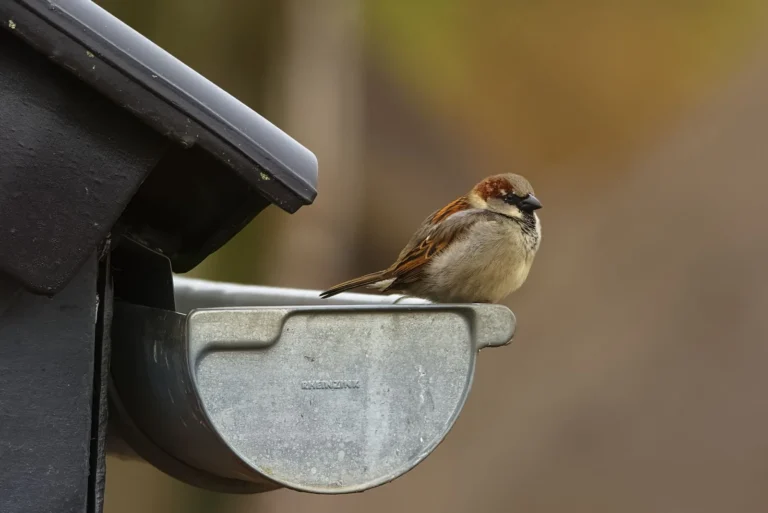
The fascia is the vertical board that runs along the roofline and carries your gutters. When fascia boards rot or pull loose, the gutter hangers lose their anchor. What starts as a sagging gutter can turn into water pouring down your siding, over your windows, and into the foundation.
In short, soffit and fascia are cheap to fix and expensive to ignore. That’s the whole reason repair ranks high on a pro’s list of “fix it now” items.
Soffit and Fascia Repair Cost: What You’ll Pay
Here are the numbers homeowners most often report, drawn from national cost data and contractor pricing in 2026.
- Average total cost: $600–$2,400 per side of the house
- Typical project range: $1,200–$1,500 (most common quote)
- Per linear foot: $6–$20, including labor and materials
- Labor only: $45–$90 per hour, or roughly $3–$8 per linear foot
- Whole-house soffit and fascia replacement: $2,300–$6,000+
A small, localized repair — say, replacing a six-foot section of rotted fascia behind a leaking gutter — can run as little as $180 to $350. A full wrap of both soffit and fascia on a 2,000-square-foot home with aluminum or fiber-cement materials lands at the high end of the range, usually $3,000 to $6,000.
Photo by Jan van der Wolf via Pexels
One detail that surprises first-time homeowners: most of the bill is labor, not material. A single eight-foot aluminum fascia board might only cost $15 to $30 at the supplier, but the contractor still has to set up ladders, remove and rehang gutters, cut the new board, and haul away the debris. Accessibility drives the labor cost more than anything else.
What Drives the Final Price
The spread between $600 and $2,400 comes down to a handful of factors you can actually see and measure.
Material. Vinyl is the cheapest to buy and install; fiber cement and wood are the most expensive. We break the differences down in the table below.
Scope of the rot. Water damage rarely stops at the edge of the board. If a rotten fascia has been soaking into the rafter tails or roof sheathing behind it, the contractor has to cut back to solid wood — and that layers on repair cost beyond the trim itself.
Height and access. A single-story ranch with a walkable roof pitch is straightforward. A two-story home with a steep pitch, or a roofline hemmed in by porches and utility lines, needs scaffolding or boom lifts. That can double the labor line item.
Gutter removal. Fascia repair almost always means taking the gutters down and rehanging them afterward. If the gutters are old or already sagging, many contractors will recommend doing the gutter installation cost work at the same time, since the gutters are off anyway.
Paint and finish. Raw wood fascia and fiber cement both need priming and painting after installation, which adds $1 to $3 per linear foot and a return visit for the painter.
Your market. Coastal and high-cost metros run 20–40% above national averages. Get two or three written quotes, not one, and make sure each line item breaks out materials from labor.
Repair vs. Full Replacement
Not every damaged board needs a full replacement. Here’s how pros decide which route to take.
- Spot repair ($180–$600). One or two sections of rotted fascia or a single cracked soffit panel. The contractor cuts out the bad section and splices in a new piece, then caulks and paints the joints.
- Partial run repair ($600–$1,200). Rot along one entire side, often where a gutter has been overflowing for years. The whole fascia run comes out, but the soffit stays.
- Full soffit and fascia replacement ($2,300–$6,000). The right call when venting is poor, the soffits are water-stained, or you’re already re-roofing and want new trim simultaneously.
A good rule of thumb: if more than 25–30% of the fascia on one side is soft, cracked, or peeling apart, replacing the full run is usually cheaper in the long run than patching it piece by piece. Spot repairs are also a poor value when the material is discontinued — splicing new white vinyl next to twenty-year-old sun-yellowed vinyl looks bad no matter how carefully it’s cut.

Photo by Igor Passchier via Pexels
If your boards are only surface-damaged — flaking paint, minor nail pops, a small crack — you may not need to replace anything. A pro can scrape, fill, re-nail, and repaint for $3 to $6 per linear foot, which is a fraction of replacement cost. The catch: rotten wood can’t be saved, no matter how much caulk goes on top of it.
Material Options and Soffit and Fascia Cost
The material you pick sets the floor for the whole project. Here’s how the four most common options compare on typical cost and durability.
| Feature | Vinyl | Aluminum | Wood | Fiber Cement |
|---|---|---|---|---|
| Material cost per linear ft | $1–$4 | $2–$5 | $1.50–$6 | $2–$5 |
| Installed cost per linear ft | $6–$12 | $8–$18 | $7–$15 | $10–$20 |
| Lifespan | 20–30 yrs | 25–40 yrs | 15–25 yrs | 30+ yrs |
| Maintenance | Wash only | Wash only | Repaint every 5–10 yrs | Repaint every 10–15 yrs |
| Rot / pest resistance | Excellent | Excellent | Poor | Very good |
| Best for | Budget, wet climates | Low-maintenance homes | Historic / custom look | Premium, fire-prone areas |
Vinyl is the most common budget choice. It never rots, never needs paint, and locks together quickly — but it can crack in extreme cold and fade unevenly in direct sun. Brands like CertainTeed and Ply Gem dominate this category.
Aluminum is the step up many contractors recommend. It won’t rust, handles temperature swings without cracking, and comes prefinished in standard colors. Pre-bent aluminum fascia wrapped over the existing wood is a popular low-cost fix: the contractor caps the board rather than replacing it, usually for $4 to $8 per linear foot.
Wood is the traditional look, and it’s still the honest choice for older or historic homes where the grain matters. The downside is the one you got here to fix in the first place: wood rots. Cedar and pressure-treated pine hold up better than plain spruce, but any wood fascia needs a strict repaint schedule to survive.
Fiber cement — James Hardie and LP SmartSide are the names here — splits the difference. It looks like wood, costs like a premium product, and resists both rot and insects. It’s heavy, though, and the dust from cutting it requires a masked, careful installer, which is part of why its labor rate runs highest of the four.
DIY vs. Hiring a Pro
Soffit and fascia repair sits right at the edge of what a capable homeowner should attempt.
The case for DIY. Soffit panels and fascia boards are sold at every big-box store, and a single-story section with easy ladder access is a realistic weekend job. If you’re only swapping a few vinyl soffit panels that snap into a channel, you could finish for $30 to $80 in materials. Replacing a short fascia board is similarly approachable with a circular saw, a level, and exterior trim nails.
The case for hiring out. Two things make this job more dangerous than it looks. First, you’re working at eave height — which means on a ladder, reaching overhead, for hours. Second, the gutters are in the way. Dropping and rehanging a full gutter run by yourself, without scratching the aluminum or breaking a hidden miter joint, is genuinely fiddly work. If the rot has crept past the fascia into the rafter tails, you’ll also be cutting structural framing, and that’s firmly contractor territory.
Most homeowners land somewhere in the middle: they spot-repair cosmetic soffit panels themselves and call a pro for any fascia work that touches the gutters. If heights make you nervous or the roofline is two stories up, the $45 to $90 an hour is money well spent — a fall off a ladder costs far more than any soffit and fascia repair cost you’ll ever see quoted.
Signs You Need Soffit and Fascia Repair
Catch the damage early and this repair stays cheap. Here’s what to look for on your next walk around the house.
- Peeling paint or bubbling finish right at the roofline — the first sign water is working its way under the boards.
- Dark streaks or staining on the soffit, often directly under a gutter seam or end cap.
- Soft or crumbling wood when you press a screwdriver into the fascia — rot you could push through means it’s already gone.
- Sagging or pulling-away gutters — the fascia they’re screwed into is giving way.
- Bees, wasps, or squirrels — small holes in the soffit are an open door to the attic.
- Peeling paint near the roofline inside, or damp insulation at the eaves, points back to a venting problem the soffit was supposed to solve.
Walk the perimeter twice a year, in spring and fall, ideally right after a hard rain. A set of binoculars beats a ladder for the high spots. If you see any of the signs above, get an inspection booked before you also find yourself pricing gutter guards worth it — clogged gutters are usually the root cause of the overflow that started the rot.
Frequently Asked Questions
How much does it cost to replace soffit and fascia on a 2,000-square-foot house?
Plan on $2,300 to $6,000 for a full wrap of both soffit and fascia, depending on material, house height, and whether the gutters need to be rehung. Aluminum typically comes in toward the middle of that range; fiber cement and wood push toward the top.
Can I just replace the fascia and leave the soffit?
Yes, and it’s common. If the soffit is solid and only the fascia board rotted (usually behind a leaking gutter), you can replace the fascia run alone. Just make sure the contractor verifies the soffit hasn’t been silently wicking moisture from the same source.
How long does soffit and fascia last?
Vinyl and aluminum commonly last 20 to 40 years, fiber cement 30 or more, and wood 15 to 25 years with regular repainting. Lifespan is tied closely to gutter health — see how long does a roof last for how the whole edge system ages together.
Does homeowners insurance cover soffit and fascia repair?
Usually not if the damage is from gradual rot, age, or lack of maintenance. Insurance typically steps in only for sudden, covered events — a fallen tree limb, wind-driven hail, or storm damage. Routine soffit and fascia repair cost is on you.
Should I replace soffit and fascia when I replace the roof?
It’s the most cost-effective time, since the roofers already have the eave edge exposed and ladders staged. Many roofers will trim back and replace fascia boards as part of a roof replacement for a modest add-on rather than a separate service call.
The Bottom Line
Soffit and fascia repair cost runs $600 to $2,400 per side for most homes, or $6 to $20 per linear foot, and the single biggest factor in that range is whether you caught the rot early or let a leaking gutter work on the boards for a decade. That makes this one of the few exterior repairs where a little routine attention genuinely pays for itself.
Get two or three written quotes for anything beyond a small patch, make sure the estimates separate materials from labor, and don’t let a contractor talk you into replacing sound soffits just because a fascia board failed. For more on how your roof’s edge system fits into the bigger picture, check out our guides on roof replacement cost, gutter installation cost, and whether gutter guards worth it could keep this problem from coming back.
For deeper reading on ventilation and trim maintenance, the This Old House soffit and fascia guide and the Family Handyman fascia-repair walkthrough are both solid, step-by-step resources from pros who do this work daily.