How Long Does a Roof Last? Lifespan by Material and Climate
The short answer: how long does a roof last depends on three things — the material it is made from, the climate it lives in, and how carefully it was installed and maintained. For most homes in the United States, an asphalt shingle roof lasts 20 to 30 years. Metal roofs commonly reach 40 to 70 years, while slate, clay tile, and a few premium systems can protect a house for a century or more.
Those averages hide a lot of real-world variation. Two nearly identical houses on the same street can lose their roofs five or more years apart because of how each one was ventilated, how many branches overhang it, and whether the gutters were ever cleaned out. Understanding what actually controls a roof’s service life is the only reliable way to know when yours is running out of time — and when to start budgeting for a replacement.
How Long Does a Roof Last by Material
Different materials are engineered for very different service lives. The most common roof covering in North America, asphalt shingles, is also among the shortest-lived.
| Roofing Material | Typical Lifespan | What You Should Know |
|---|---|---|
| Three-tab asphalt shingles | 15–20 years | Cheapest option; thinner and more prone to wind lift |
| Architectural asphalt shingles | 25–30 years | Thicker, laminated; the default for most US homes |
| Metal (steel or aluminum) | 40–70 years | Standing seam or metal shingles; highest upfront cost |
| Clay or concrete tile | 50–100 years | Very heavy; many homes need reinforced framing |
| Slate | 75–200 years | Premium natural stone; expensive and skill-heavy to install |
| Wood shakes or shingles | 25–30 years | Cedar; needs regular treatment and is restricted in fire zones |
Architectural (also called dimensional or laminated) shingles from brands such as GAF Timberline, Owens Corning Duration, and CertainTeed Landmark are the workhorse of American roofing. Their warranties often run 25 to 50 or more years, but the true functional life in most climates is closer to 20 to 30 years. Three-tab shingles, by comparison, usually start failing noticeably at 15 years and rarely reach 20 in hot or storm-prone regions. If you are deciding among shingle grades, our guide to asphalt shingle types compared breaks down the differences in thickness, warranty, and price.
Metal roofs — standing seam panels in particular — are a different animal. A quality coated steel or aluminum system can realistically last 40 to 70 years with little more than occasional cleaning and fastener checks. Clay, concrete, and slate are the long-term champions, but they are heavy, costly, and unforgiving of a bad install. For a head-to-head on the two most common upgrades, see metal roof vs. shingles cost.
How Climate and Weather Wear a Roof Down
Climate is usually the biggest force outside your control. The same shingle roof that sails past 25 years in the mild, dry inland West might struggle to reach 18 in the Gulf Coast sunbelt or the northern hail belt.
- Sun and heat. Ultraviolet light breaks down the asphalt and oils that keep shingles flexible. Roofs in Arizona, Texas, and the Desert Southwest bake at attic temperatures well over 140°F in summer, which accelerates granule loss and cracking.
- Thermal cycling. Roofs expand when they heat and contract when they cool. Decades of daily movement loosen fasteners, crack sealant, and slowly tear the bond between shingles.
- Hail and wind. Large hail punches holes in shingles and dents metal. Sustained high wind — hurricane country and the plains states — lifts shingle tabs and pulls at edges, shortening lifespan measurably.
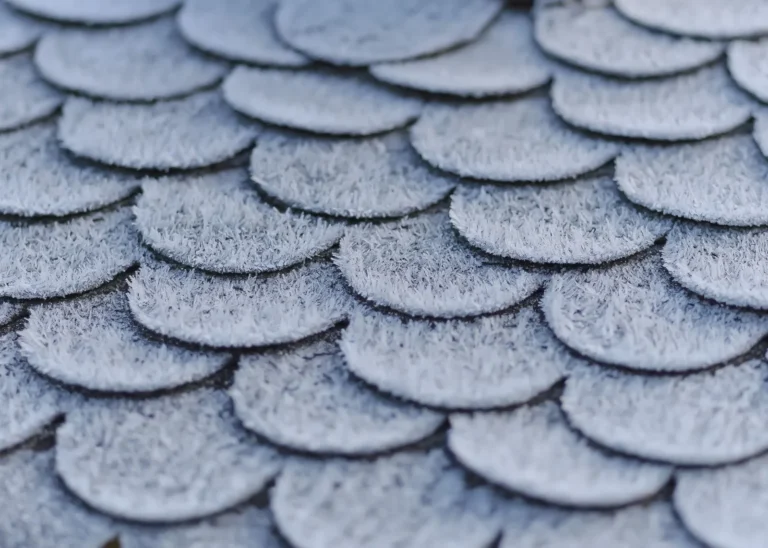
- Freeze-thaw and ice. Water that seeps into small gaps and refreezes forces those gaps wider every winter. In snow country, ice dams at the eaves trap meltwater that can back up under shingles.
- Moisture and moss. Persistent shade, heavy rain, and coastal salt air feed moss, algae, and rust. Moss in particular holds water against the roof surface and lifts shingles.
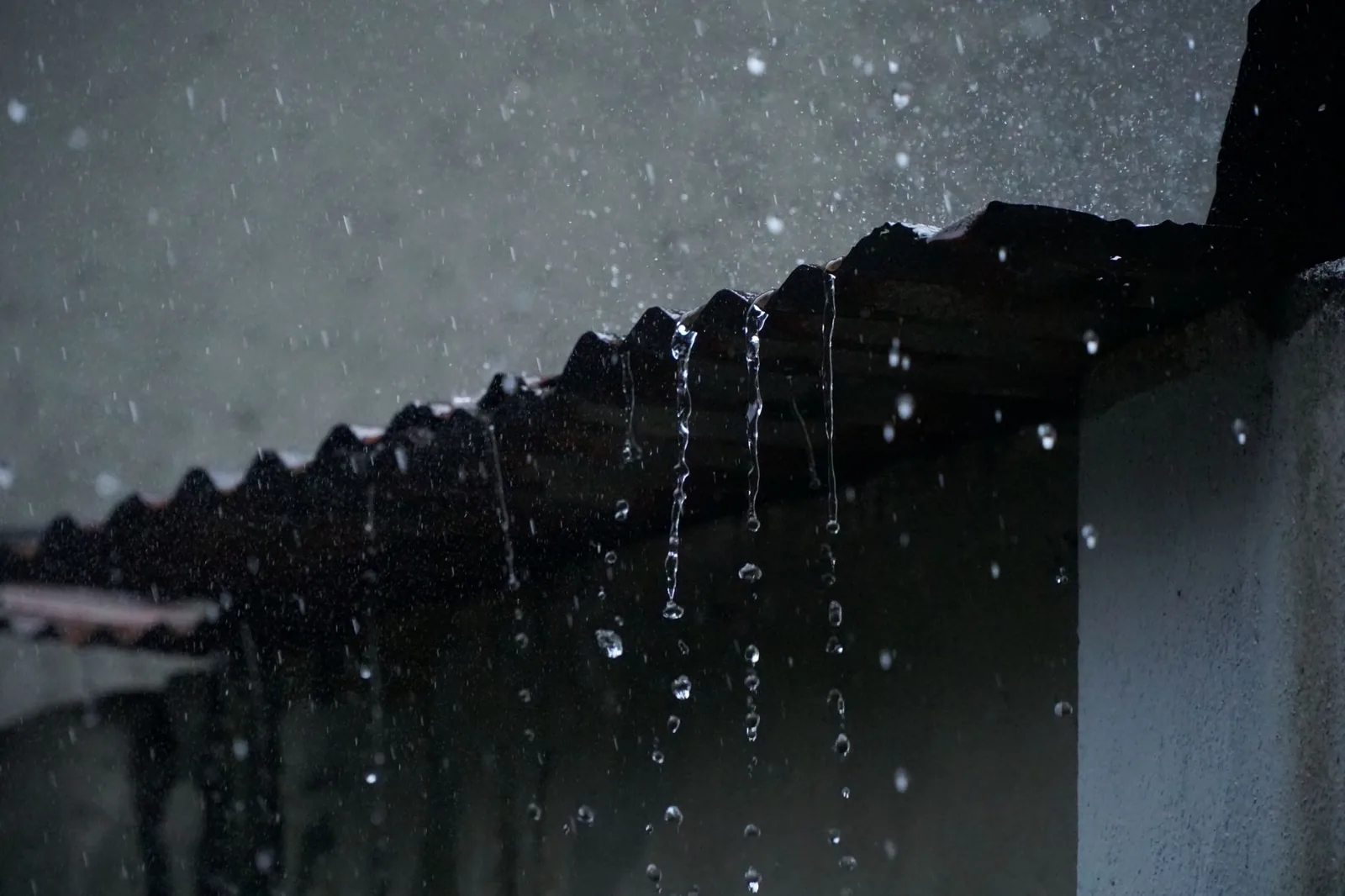
Photo by Nguyễn Hữu Nhã via Pexels
Installation Quality and Material Grade
Two roofs made from the same shingles can last a decade apart depending on how they went on. Installation errors are one of the most common reasons roofs fail early, and they are nearly invisible until the damage is done.
Correct attic ventilation is the quiet difference-maker. A properly vented roof intakes cool air at the eaves and exhausts hot air at the ridge, which keeps the sheathing and shingles cooler in summer and dryer in winter. A poorly vented roof cooks its own shingles from underneath and holds moisture that rots decking. Ice-and-water shield on the eaves and valleys, correct nailing patterns, and properly flashed penetrations around chimneys, vents, and skylights all extend service life far more than most homeowners realize.
Material grade matters too. Shingles from a reputable maker with a heavier mat and higher asphalt content outlast budget off-brands, and the difference in price is often only a few hundred dollars per roof. Given that labor is the largest share of any roof job, skimping on materials to save money is a poor trade.
Maintenance That Adds Years to a Roof
The cheapest way to get more life out of a roof is routine care. None of this is glamorous, and all of it pays off.
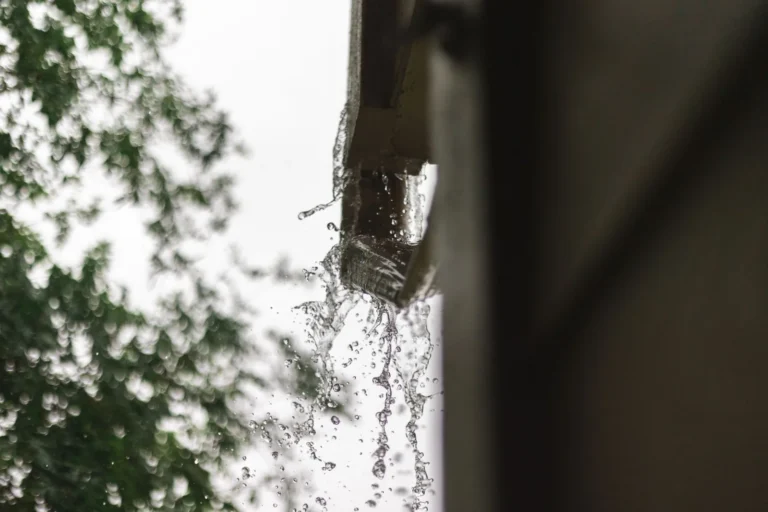
- Clean the gutters. Clogged gutters back water up against the roof edge and fascia, which rots decking and triggers ice dams in winter. Twice a year is the minimum; more if you have overhanging trees. If climbing a ladder isn’t for you, see our cost breakdown for gutter installation and whether gutter guards are worth it.
- Trim overhanging branches. Limbs scrape shingles in the wind and drop debris that holds moisture. Keeping branches clear also reduces the hazard of a branch falling through the roof in a storm.
- Remove moss and algae. A soft-bristle brush or a gentle washing solution clears moss before it can lift shingles. Never pressure-wash a shingle roof — the force strips granules and cuts years off its life.
- Inspect annually. A quick look at the roof from a ladder or the ground each spring and fall catches missing shingles, lifted flashing, and cracked sealant before they become leaks.
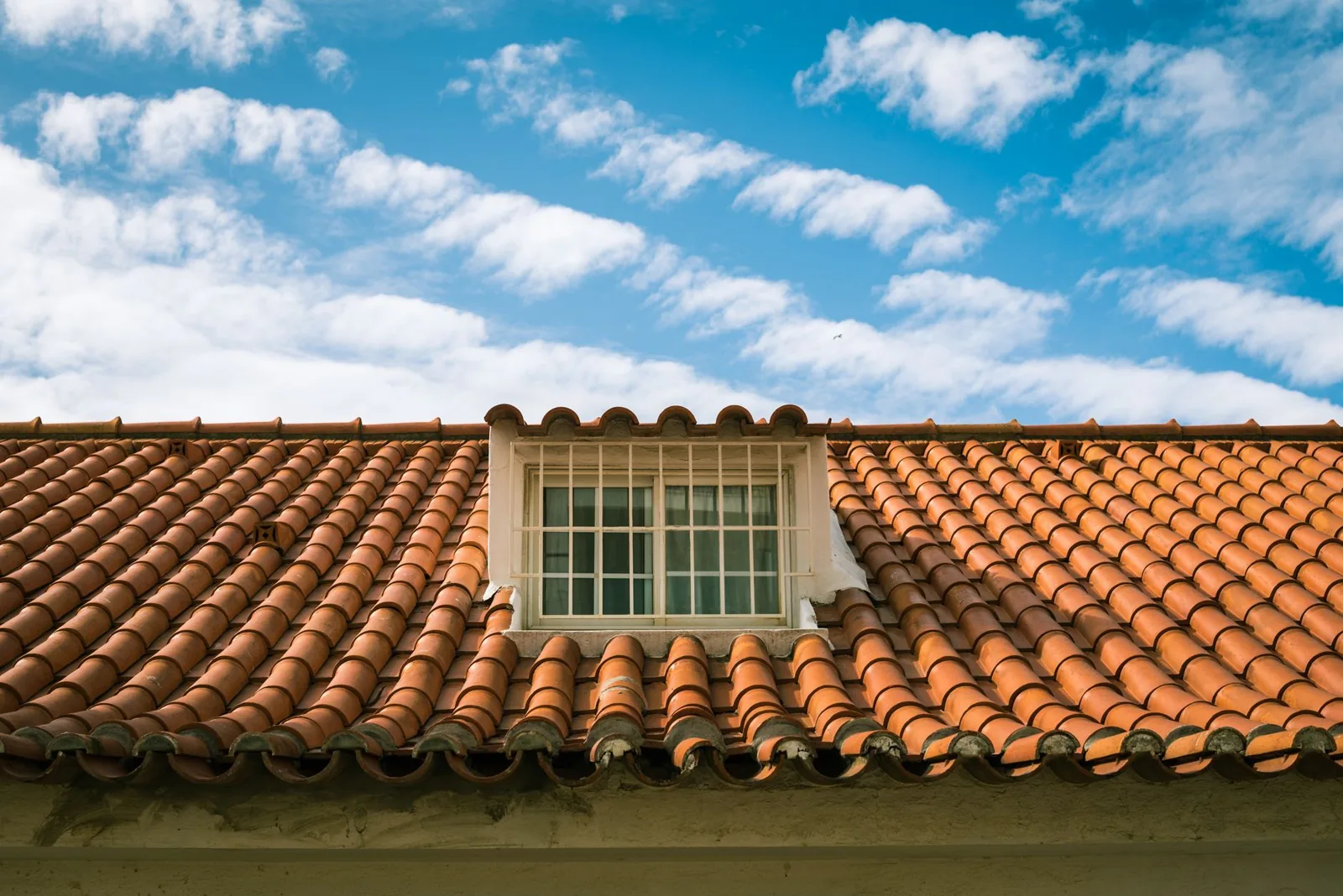
Photo by Vasily Kleymenov via Pexels
Warning Signs Your Roof Is Nearing the End
Every roof eventually reaches the point where patching stops making sense. These are the signs that tell you the clock is running out:
- Curling, cracking, or buckling shingles.
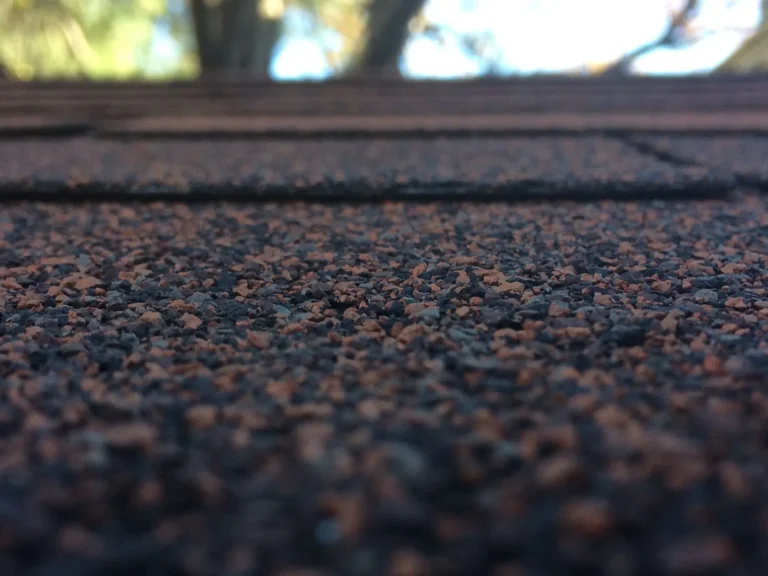
- Granules collecting in the gutters or at downspout outfalls — a sign the shingle surface is wearing away.
- Missing shingles after storms, or shingles you can find scattered in the yard.
- Bald or shiny patches where granules have worn off completely.
- Daylight or water stains visible from inside the attic.
- Sagging or soft spots in the roof plane, which can indicate rotted decking.
- Moss growth that covers large areas rather than isolated spots.
If your roof is nearing the end of its expected lifespan and you are seeing two or three of these together, it is time to get professional eyes on it. Acting before a leak appears is almost always cheaper than reacting to one.
Comparing Replacement Cost and Lifespan Value
Lifespan should never be considered apart from price. A longer-lived material is only a better deal if its cost per year of service is actually lower.
As a rough example, a full asphalt shingle replacement on a standard single-family home often runs between $9,000 and $15,000 depending on size, pitch, and region. Spread over a realistic 25 years, that is roughly $360 to $600 per year. A standing seam metal roof on the same house might cost $18,000 to $30,000, but spread over 50 years it lands around $360 to $600 per year as well — often with better insulation value and less maintenance. For a detailed look at what a replacement should cost where you live, start with our guide to roof replacement cost.
The right answer isn’t the longest-lived material; it is the material whose lifespan matches how long you plan to own the home. If you will sell within a decade, a quality architectural shingle roof is usually the sensible play. If this is your forever house, metal, tile, or slate can make more sense over the long haul.
Frequently Asked Questions
How long does a roof last on average?
Across all materials, a reasonable planning number for a typical American home is 20 to 30 years for asphalt shingles and 40 to 70 years for metal. Details from respected sources such as This Old House and the U.S. Department of Energy consistently place most composition roofs in that 20-to-30-year band.
What roofing material lasts the longest?
Slate tops the list at 75 to 200 years, followed by clay and concrete tile at 50 to 100 years, then metal at 40 to 70 years. The catch is cost and weight: slate and tile are expensive to buy and install, and both often require structural reinforcement.
Does a 50-year shingle really last 50 years?
Not in practice. The “lifetime” or “50-year” label refers to warranty terms with heavy proration, not to expected service life. Most so-called 50-year architectural shingles deliver 25 to 35 usable years in typical climates.
Can a roof last longer with better maintenance?
Yes. Regular gutter cleaning, branch trimming, moss removal, and prompt small repairs routinely add five or more years to a shingle roof, and they push metal roofs toward the upper end of their range.
Should I replace my roof before it leaks?
Usually. If your roof is past about 80% of its expected lifespan and is showing multiple warning signs, a planned replacement avoids interior water damage, mold, and the emergency-pricing that comes with a mid-storm repair.
The Bottom Line
How long does a roof last is never a single number — it is a range set by material, climate, installation, and maintenance. A well-installed architectural shingle roof in a moderate climate can reach 25 to 30 years, while a metal roof on the same house can double that. Watch for the warning signs, keep the gutters clear, and match your material choice to how long you actually plan to live under it. When the time comes, get three written quotes and replace the roof on your schedule, not a storm’s.