Flat Roof vs Pitched Roof: Which Is Right for Your Home?
If you are building a new home, adding an extension, or replacing a failing roof, the flat roof vs pitched roof decision is one of the first and most expensive choices you will make. Both styles have been used for centuries, and both are still installed on millions of American homes every year. They simply solve different problems, for different budgets, in different climates.
A flat roof is never truly flat. It carries a slight slope—usually 1/4 to 1/2 inch per foot—just enough to nudge water toward a drain or scupper. A pitched roof, by contrast, has a steep enough angle (typically 4/12 or more) that water and snow slide off under their own weight. That single difference in geometry drives almost everything else: cost, lifespan, drainage, insulation, and how the roof looks from the street.
This guide breaks the choice down with real numbers, so you can decide which design earns its keep on your house.
Flat Roof vs Pitched Roof: The Key Differences at a Glance
The table below is the short version. The sections after it explain the details behind each number.
| Feature | Flat Roof | Pitched Roof |
|---|---|---|
| Typical slope | 1/4″ to 1/2″ per foot | 4/12 to 12/12 or steeper |
| Common materials | EPDM, TPO, PVC, modified bitumen | Asphalt shingles, metal, tile, slate |
| Installed cost (per sq. ft.) | $4 to $13 | $4.50 to $22+ |
| Average replacement cost | $8,000 to $16,000 | $9,000 to $17,000 (shingles) |
| Lifespan | 10 to 30 years | 20 to 70+ years |
| Labor intensity | Lower frame and deck | Higher frame, more structure |
| Re-coating needs | Often every 5 to 10 years | Rare, occasional caulk/touch-up |
| Usable surface | Can host HVAC, decks, green roofs | Attic storage or finished space |
The headline takeaway: flat roofs cost less up front and use the square footage on top, while pitched roofs last longer and shed water more reliably.
What Is a Flat Roof?
A flat roof is a near-level covering installed over a low-slope deck, most often on commercial buildings, mid-century modern homes, and single-story residential additions. The membrane does the waterproofing work, because standing water would be a slow disaster rather than a quick drip.
There are four materials you will run into:
- EPDM (ethylene propylene diene monomer): A synthetic rubber, usually black, sold in big rolled sheets. It has been the budget standard for decades and can last 20 to 30 years when installed well.
- TPO (thermoplastic polyolefin): A white, heat-reflective single-ply membrane. It reflects sunlight instead of absorbing it, which lowers cooling bills in warm climates.
- PVC (polyvinyl chloride): Similar to TPO but more resistant to ponding water and grease, which is why restaurants and factories favor it.
- Modified bitumen: An asphalt-based rolled system, often torch-down or self-adhered, that performs well on homes that want a more traditional look.
Flat roofs are cheap to frame because they need no trusses or steep rafters. A simple flat deck can go up in a day or two. The trade-off is that every seam and penetration is a potential leak, so installation quality matters more than it does on a shingle roof.
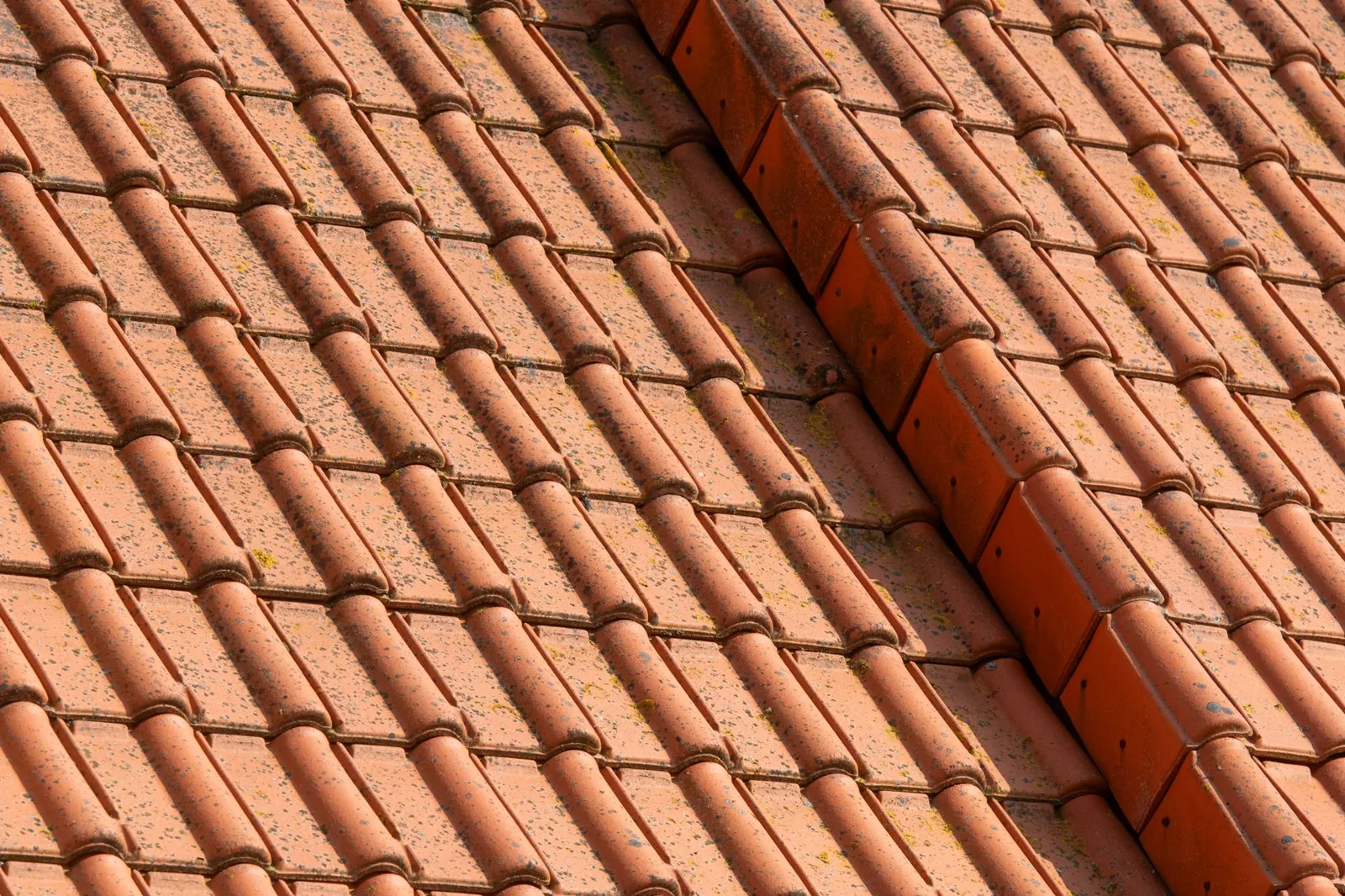
Photo by Jan van der Wolf via Pexels
What Is a Pitched Roof?
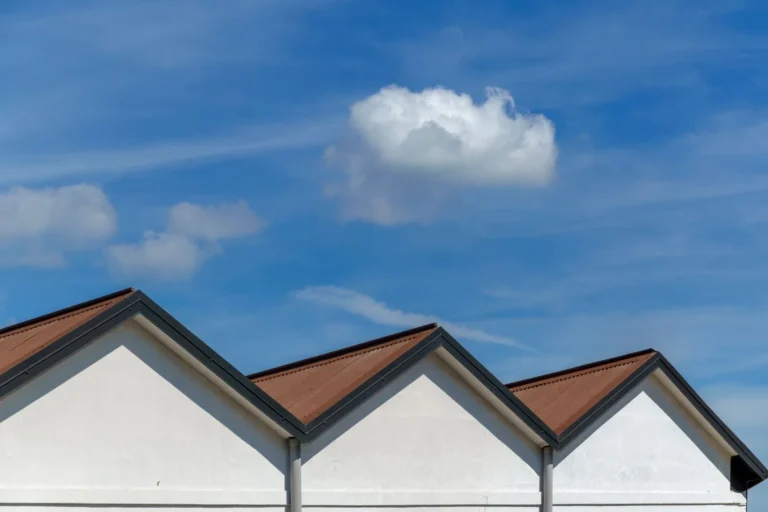
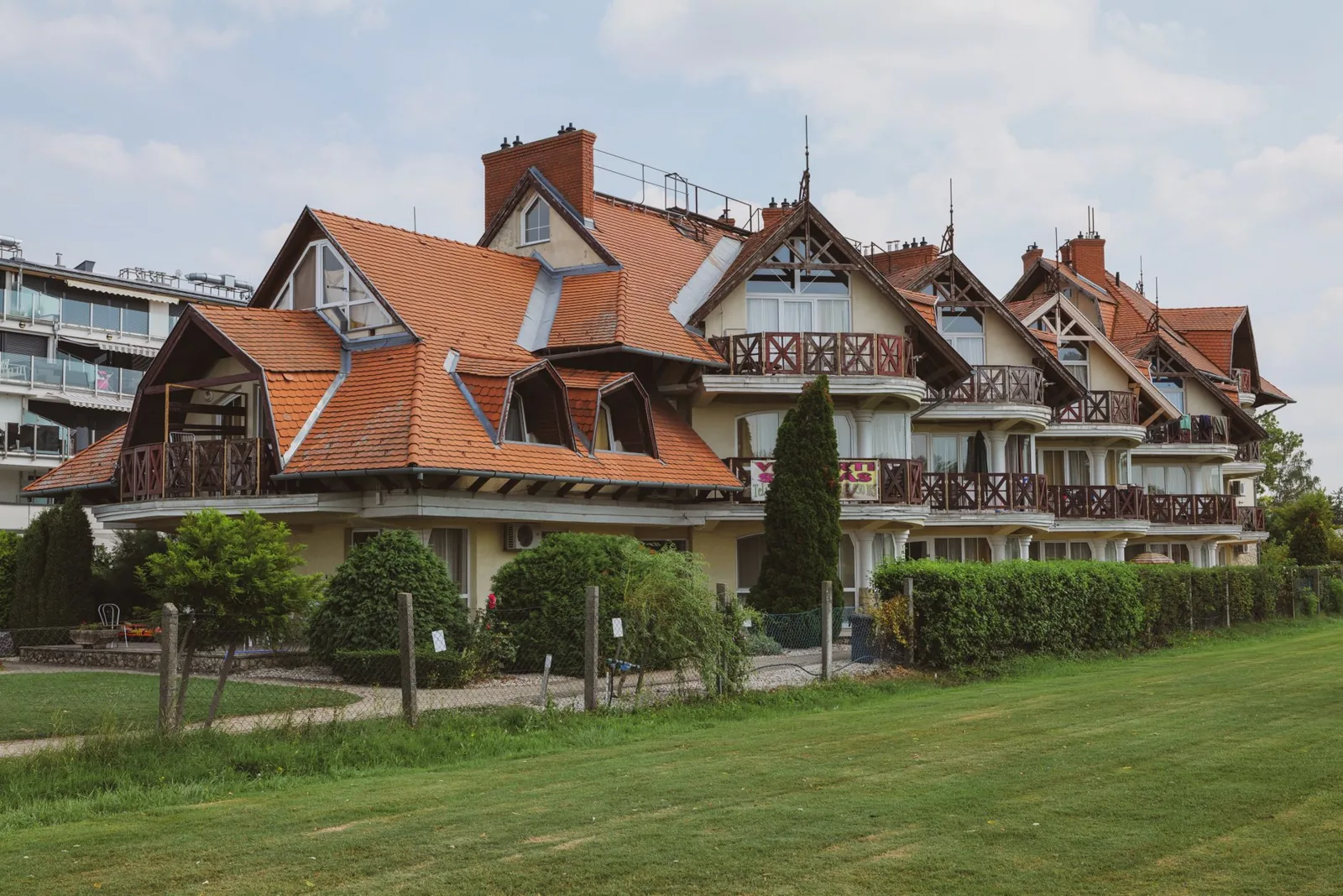
A pitched roof is any roof steep enough to shed water and snow quickly. On most American homes that means a slope between 4/12 and 12/12—meaning the roof rises 4 to 12 inches for every 12 inches of horizontal run.
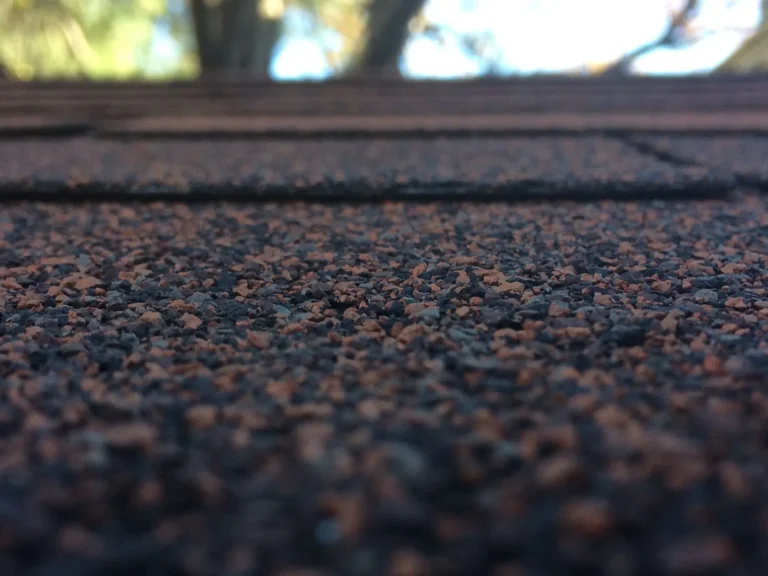
The pitched roof is not one product but a whole family. The cheapest and most common member is the asphalt shingle roof, led by brands like GAF Timberline HDZ and Owens Corning Duration. Above that sit architectural shingles, metal roofing (standing seam and exposed fastener), concrete or clay tile, and slate. Each step up the ladder costs more and lasts longer.
Three things make a pitched roof effective:
- Gravity does the drainage work, so water never sits on the surface.
- The attic underneath creates a ventilated air gap that insulates the house.
- Overhanging eaves protect the walls and windows from rain.
The main cost is structure. A pitched roof needs rafters or prefabricated trusses, a steeper deck, and more material to cover the same footprint. That is why a pitched roof almost always costs more to build than a flat roof over the same square footage.
Upfront Cost: Flat Roof vs Pitched Roof
This is where most homeowners feel the difference. On a straight replacement, a flat roof usually wins on price.
A flat roof replacement typically runs $8,000 to $16,000 for an average 1,500- to 2,000-square-foot roof, or roughly $4 to $13 per square foot depending on the membrane. EPDM sits at the low end, PVC at the high end, with TPO in the middle around $6 to $9 per square foot installed.
A pitched asphalt-shingle roof costs $9,000 to $17,000 on the same house, or about $4.50 to $9 per square foot. Metal raises that to $12 to $22 per square foot, and tile or slate can push well past $25 per square foot. None of these figures are trivial—a full roof is one of the largest single checks a homeowner writes, which is why the cost discussion in our roof replacement cost guide is worth reading before you get quotes.
The gap narrows or flips once you add structure. If you are building new or converting a roof, framing a pitched roof costs more than decking a flat one. But on a simple tear-off-and-replace job, the flat roof is almost always the cheaper bill.
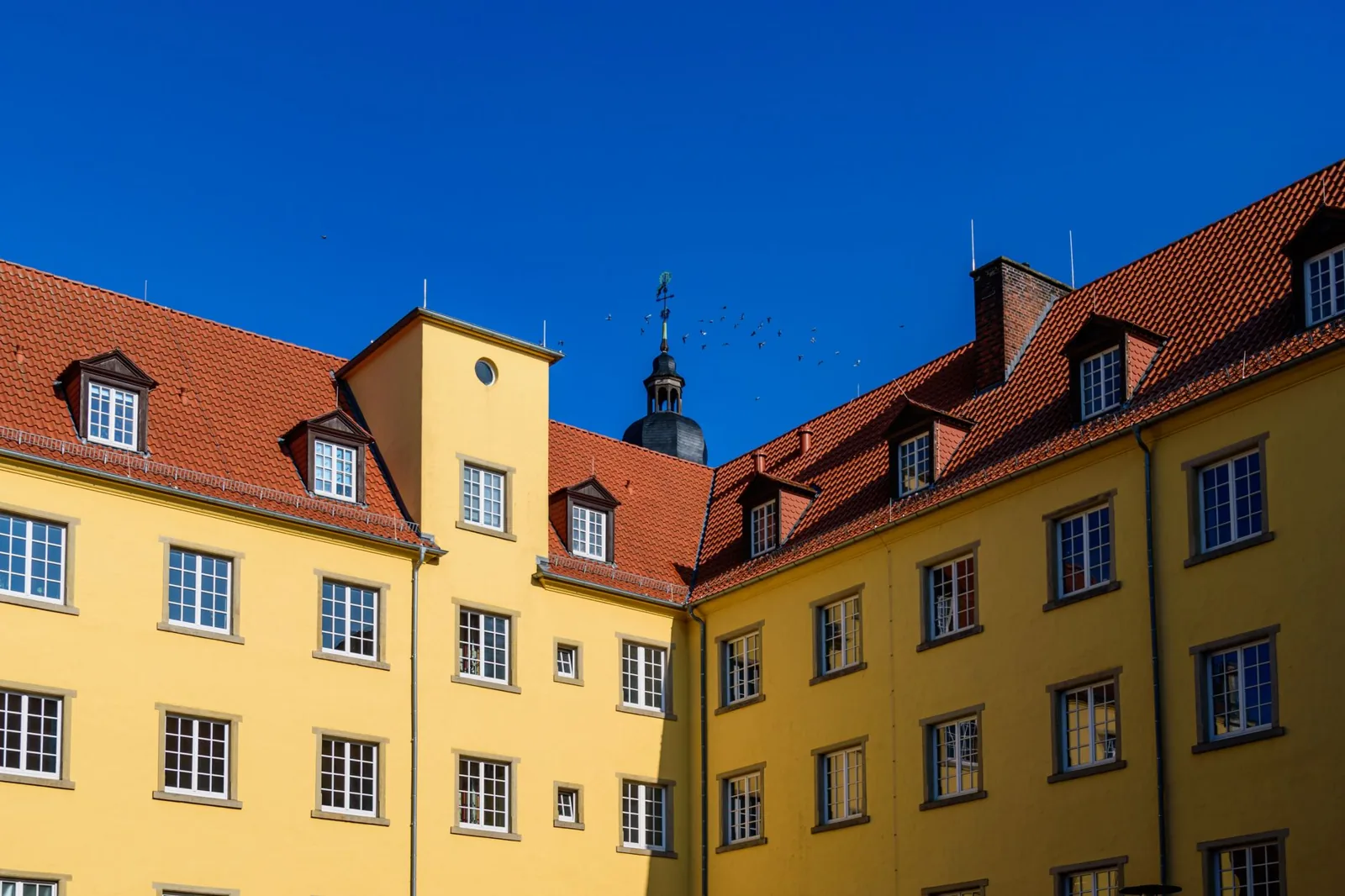
Photo by Sergej *** via Pexels
Lifespan and Maintenance
Pitched roofs win this round clearly, and the reason is physical: water runs off a slope, while it sits on a flat roof—however briefly—after every storm. Water is what rots wood, loosens fasteners, and strips membranes.
A flat roof lasts 10 to 30 years depending on material. EPDM and TPO can reach 20 to 30 years with good installation, while rolled modified bitumen often needs attention closer to the 10- to 15-year mark. Flat roofs also need periodic re-coating—many contractors recommend a reflective coating every 5 to 10 years to extend membrane life.
A pitched asphalt roof lasts 20 to 30 years. Metal lasts 40 to 70 years, and slate can survive a century. How long your specific roof lasts depends heavily on installation, ventilation, and local weather, which is why our roof lifespan guide walks through the factors that shorten or stretch each material.
Maintenance costs follow the same pattern. On a flat roof, you should have a contractor inspect seams, flashing, and drains at least once a year and clear debris after storms. On a pitched roof, the annual job is mostly removing moss, cleaning gutters, and checking for lifted shingles. Neither is free, but the pitched roof needs less corrective repair over the long run.
Drainage, Climate, and Energy Efficiency
Climate is often the tiebreaker that decides the flat roof vs pitched roof question for good.
Pitched roofs are the natural choice anywhere that gets heavy snow or frequent rain. Steep slopes shed snow before it can load up, and the overhang keeps water off the walls. If you live in the Northeast, the Upper Midwest, or the Pacific Northwest, a pitched roof is the lower-risk option.
Flat roofs handle dry and arid climates well. In the Southwest, a flat roof with a white TPO or PVC membrane reflects solar heat, and rooftop units like HVAC condensers sit easily on the horizontal surface. In hot, sunny cities such as Phoenix or Las Vegas, that reflective membrane can cut cooling costs measurably—an idea the Department of Energy has studied in the context of cool-roof performance.
Snow is the real hazard for flat roofs. A heavy, wet snowfall can pool and freeze, and the subsequent ice damming can tear a membrane. Flat roofs in snow country need a steeper low-slope design, added insulation, and diligent winter maintenance. If you want to compare materials on cost and longevity before deciding, our metal roof vs shingles cost comparison is a useful next read.
Which Roof Should You Choose?
The right answer depends on your house, your climate, and your plans.
Choose a flat roof if you want the lowest upfront cost, you live in a dry or hot climate, the roof will be hidden from the street, or you plan to use the surface—for a deck, a green roof, or mechanical equipment.
Choose a pitched roof if you live where it snows or rains heavily, you plan to stay in the home for decades, you want lower lifetime maintenance, or your home’s architectural style calls for it. The classic look of a pitched roof also holds up better at resale in most American neighborhoods.
There is no universal right answer, only the one that matches how you will live in the house.
Frequently Asked Questions
Which is cheaper, a flat roof or a pitched roof?
A flat roof is almost always cheaper up front on a like-for-like replacement, roughly $8,000 to $16,000 versus $9,000 to $17,000 for asphalt shingles. Over the life of the roof, a pitched roof can cost less because it lasts longer and needs fewer repairs.
How long does a flat roof last compared to a pitched roof?
A flat roof lasts 10 to 30 years depending on the membrane, while a pitched asphalt roof lasts 20 to 30 years, and a metal or slate pitched roof lasts 40 to 100 years. Flat roofs also need re-coating every 5 to 10 years, which pitched roofs generally do not.
Is a flat roof worse for resale value?
Not always. In warm, dry markets—Phoenix, Las Vegas, much of the Southwest—flat roofs are common and sell without penalty. In snowier or rainier regions, buyers often treat a pitched roof as more durable, so the slope can matter at resale.
Do flat roofs leak more than pitched roofs?
Flat roofs are more susceptible to leaks because water pools instead of draining away. With correct installation, quality membranes, and annual maintenance, a flat roof can stay watertight for decades, but it has less margin for error than a pitched roof.
Can you put regular shingles on a flat roof?
No. Asphalt shingles need a slope of at least 2/12 to shed water. On a low-slope or flat surface, use EPDM, TPO, PVC, or modified bitumen instead.
For a deeper material breakdown, Bob Vila explains the trade-offs of flat roof systems and their maintenance.
The Bottom Line
The flat roof vs pitched roof decision comes down to what you value more: a lower upfront price and usable roof space, or a longer lifespan and lower maintenance. Flat roofs cost less to build and shine in hot, dry climates, while pitched roofs shed water and snow more reliably and hold up better over decades.
Get quotes for both before you commit. Ask each contractor about membrane or shingle brand, the slope they recommend, and how they handle drainage. If a full replacement is in your future, review the numbers in our roof replacement cost guide first—then compare at least three written estimates.
Ready to take the next step? Schedule a roofing inspection with a local, licensed contractor and get a written quote for your specific home. The small cost of an inspection is nothing next to finding a leak early.