Ice Dam Prevention and Removal: A Step-by-Step Guide for Homeowners
Every winter, the ridge of snow that builds up along the edge of your roof can quietly destroy the inside of your house. An ice dam forms when meltwater from the warmer upper roof refreezes at the cold eave, trapping water behind a wall of ice. That backed-up water then seeps under your shingles, soaks the roof deck, and drips onto insulation, drywall, and ceilings. The damage moves slowly — right up until you notice a brown stain spreading across a bedroom ceiling in February.
Ice dam prevention and removal are two halves of the same problem: stop the dam from forming in the first place, then get rid of it safely when prevention falls short. Neither is a mystery, but both are easy to do wrong. Hammering the ice will wreck your shingles; throwing rock salt on it will corrode flashing and kill the shrubs below. This guide walks through what actually works, what it costs, and when the job belongs to a pro.
What Is an Ice Dam, and Why Should You Worry About One?
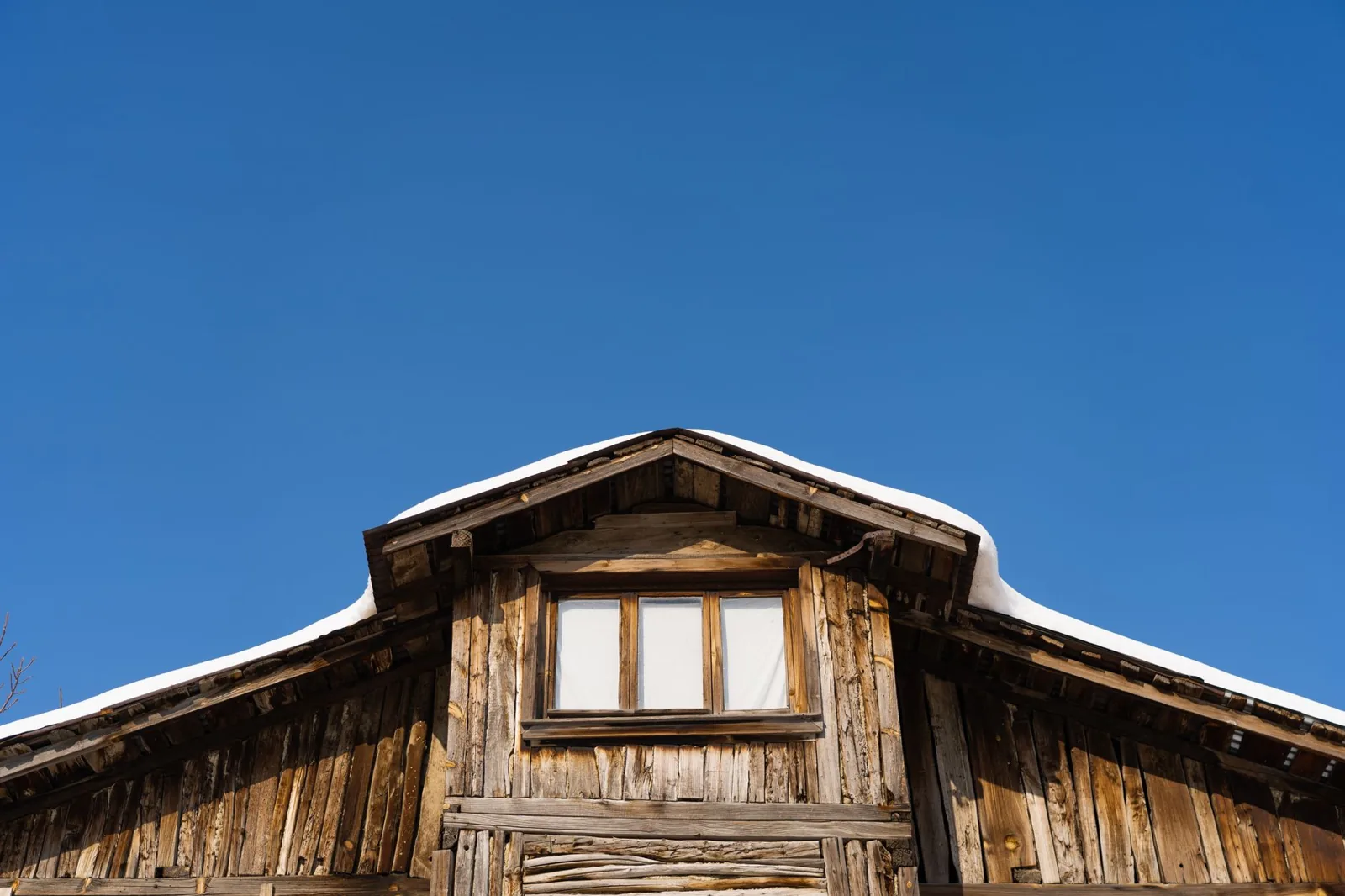
An ice dam is a ridge of ice that forms along the lower edge of a roof, usually right at the eaves or inside the gutter. From the street it looks like a thick lip of ice along the drip edge — harmless enough. The problem is what the dam holds back. As snow on the upper roof melts, the water runs down until it hits that frozen ridge and ponds behind it instead of draining away. Shingles are built to shed water that runs downhill, not water that sits still, so the trapped melt begins working its way under the overlapping courses and into the house.
A single bad season can leave a long list of damage:
- Soaked attic insulation that loses its R-value and can stay wet for months.
- Water-stained, sagging ceilings and wallboard.
- Mold and mildew growing inside wall and ceiling cavities.
- Rot in the roof sheathing and fascia boards — often the priciest repair of all.
- Peeling paint and warped flooring in the rooms directly below.
Insurance adjusters see the consequences every spring: homeowners who thought they had “a little ice on the roof” and wound up with a five-figure remediation bill. The good news is that nearly all of this is preventable with a few hundred dollars spent in the right places.
What Causes Ice Dams?
An ice dam is not a sign of a harsh winter. It is a sign of a warm attic. The mechanism is a heat imbalance that plays out in four steps:
- Warm air leaks from the living space into the attic through gaps around recessed lights, the attic hatch, and plumbing and wiring penetrations.
- That warm air heats the roof deck from below and melts the snow on the upper slopes.
- Meltwater runs down the roof until it reaches the cold eaves, which extend past the heated walls and stay close to outdoor temperature.
- At the eave, the water refreezes into a dam that grows thicker with every freeze-thaw cycle.
Put simply, a dam forms when two conditions overlap: a roof deck that is warm enough to melt snow and an eave that is cold enough to refreeze it. The fixable causes, roughly in order of importance:
- Insufficient attic insulation — the number-one culprit in most homes.
- Inadequate or blocked attic ventilation (soffit, ridge, or gable vents).
- Air leaks, or “bypasses,” that let conditioned air pour into the attic.
- Bathroom fans, dryer vents, or ductwork that exhaust into the attic instead of through the roof.
- Heavy snowfall plus strong sun, which can create dams even on reasonably well-ventilated roofs in marginal climates.
Photo by Maria Tyutina via Pexels
How to Prevent Ice Dams on Your Roof
Prevention is dramatically cheaper than repair, and it splits into two clear buckets: long-term fixes that solve the root cause, and easy seasonal steps you take before each snow season.
Long-term fixes:
- Air-seal the attic floor. Seal every gap — around recessed can lights, the attic hatch, chimneys, and any plumbing or electrical penetrations — with expanding foam or caulk. This is the highest-value step because it stops warm air at the source.
- Top up attic insulation to recommended levels. For most of the United States, that means R-49 to R-60, or roughly 16 to 20 inches of blown-in fiberglass or cellulose. Cold Northern states may call for more under ENERGY STAR guidance.
- Keep vents clear. Make sure soffit vents are not buried under insulation and that ridge or roof vents are unobstructed, so cold air can flow in low and out high.
- Reroute exhaust fans. Bathroom and kitchen fans must vent to the outside through the roof or wall — never into the attic.
Seasonal steps to take before the first real snow:
- Rake snow off the lower 3 to 4 feet of the roof with a long-handled roof rake, standing on the ground — never on a ladder in snow.
- Keep gutters and downspouts clear of leaves so meltwater can drain once it reaches the eave.
- Trim overhanging branches that shade the roof and slow melting.
- After a heavy storm, clear snow away from skylights, vents, and window wells.
If a roof has a chronic dam problem that insulation alone will not fix, the next layer of defense is a self-adhering ice-and-water shield membrane installed under the shingles along the eaves and in valleys. It does not prevent a dam; it simply keeps water out if one forms. For a full look at what a cold-climate reroof should include, see our guide on roof replacement cost.
How to Safely Remove an Ice Dam
If a dam has already formed and water is coming in, you have to act — but carefully. The first rule is non-negotiable: never strike the ice with a hammer, axe, or shovel, and never climb onto a roof covered in snow and ice. Chipping at a dam is the fastest way to poke holes in your shingles and turn a small leak into a major one.
Safe options for removing a dam:
- Clear the snow above the dam. Removing the snow load higher up the roof cuts off the meltwater that feeds the dam. This is the single highest-impact thing a homeowner can safely do themselves.
- Use calcium chloride, not rock salt. Fill a nylon stocking leg with calcium chloride ice melter and lay it perpendicular across the dam to melt a drainage channel. Calcium chloride is far less corrosive to roofing and planting beds than sodium chloride. Set expectations low, though — Family Handyman’s tests found the salt-stocking trick underperforms, and it is best treated as a slow, partial stopgap rather than a cure.
- Hire steam removal. A professional ice-dam steamer melts the dam gently without touching the shingles. It is the safest and fastest method, and the one most contractors recommend once water is inside the house.
What never to do:
- No torches, heat guns, or open flame — an ice dam is how people burn their houses down.
- No hammers, axes, or pointed shovels on the ice.
- No pressure washing, and no ladder work on a snow-covered roof.
If you see water staining indoors, or the dam is bigger than you can reach safely from the ground, skip the DIY and call a licensed ice-dam removal company. They will steam it off and can confirm whether the real fix needs to happen in the attic. Keep in mind that gutter work only helps if your gutters can actually drain into this freeze-thaw cycle — see our breakdown of gutter installation cost and whether gutter guards are worth it in a Northern climate.
Photo by Olivia via Pexels
Ice Dam Prevention and Removal Costs
Here is what to budget, whether you hire the work out or tackle it yourself.
| Project | Typical installed cost | Notes |
|---|---|---|
| Air-seal the attic floor | $250–$750 | DIY materials often under $200 |
| Attic insulation upgrade | $1,500–$3,500 | Fiberglass or cellulose to R-49+ |
| Ice-and-water shield (new roof) | $0.50–$1.00 per sq ft extra | Best done at reroof time |
| Professional roof snow removal | $200–$500 per visit | Seasonal and snow-dependent |
| Professional ice dam steaming | $300–$800 | Depends on dam length and height |
| Interior water-damage repair | $1,000–$8,000+ | Ceiling, insulation, drywall, paint |
The bottom-line math is stark: you can spend a few hundred dollars sealing a handful of attic bypasses, or you can spend thousands repairing the ceiling a dam eventually drops through.
When to Call a Professional
Some jobs genuinely belong to a pro. Pick up the phone if:
- Water is actively leaking into the living space.
- The dam sits on a multi-story roof you cannot reach safely from the ground.
- Ice buildup appears around skylights, valleys, or dormers.
- The problem returns every year despite raking and gutter cleaning — a strong signal that the attic needs an infrared-camera diagnosis from a roofer or insulation contractor.
Frequently Asked Questions
What is the fastest way to remove an ice dam?
Professional steam removal. A contractor runs a steamer along the dam and melts it without touching the shingles, usually in under an hour for a typical residential dam. It is the method most pros reach for once water is inside the house.
Does rock salt work on ice dams?
It melts ice, but at a price. Sodium chloride runoff corrodes flashing and roof fasteners and kills grass and shrubs below the eave. Use calcium chloride in a stocking at most, and treat it as a temporary channel-melter rather than a real fix.
Will gutter guards prevent ice dams?
No. Gutter guards keep out leaves, but an ice dam forms on the roof edge above the gutter, driven by attic heat loss — not by debris. A clean, well-draining gutter helps once the dam melts, but it will not stop one from forming in the first place.
Can I prevent ice dams without replacing my roof?
Almost always, yes. Air-sealing the attic floor and raising insulation to R-49 or better fixes the root cause on the large majority of homes. Roof replacement only becomes necessary if the sheathing has already rotted from repeated leaks.
How much does ice dam prevention cost?
A DIY air-sealing job can run under $200 in materials, while a professional attic air-sealing and insulation upgrade typically lands between $1,500 and $3,500. Both are a fraction of the cost of repairing interior water damage, which regularly exceeds $5,000.
The Bottom Line
Ice dam prevention and removal both come down to managing heat, not fighting ice. If your attic stays cold and your eaves stay ventilated, the snow on your roof melts evenly and drains away — and there is nothing left to build a dam. The highest-value fixes are unglamorous: seal the air leaks, pack in more insulation, and keep the vents and gutters flowing.
When a dam does form, resist the urge to attack it. Clear the snow above it, lay a calcium chloride stocking if you must, and hand anything bigger or leakier to a professional with a steamer. This Old House’s guide to ice dam removal walks through the fast fixes in more detail, and a quick attic inspection this fall beats a drywall repair this spring. Start with sealing and insulation, and the icicles on your eaves will be a photo opportunity instead of a warning sign.