Best Gutter Guards 2026: Top-Rated Systems, Real Costs & What They Stop
If you’re shopping for the best gutter guards 2026, the market has finally matured past flimsy plastic screens and late-night infomercial hype. We dug into the systems homeowners actually buy and keep, looking at price per linear foot, what each design genuinely stops, and how well they hold up under real pine needles, shingle grit, and freeze-thaw cycles.
Gutter guards won’t eliminate ladder time completely, but the right one can stretch cleanings from twice a year to once every two or three years. This guide breaks down the top-performing designs of 2026, what they cost installed, and how to match one to your roof, your trees, and your budget.
Why Gutter Guards Matter in 2026
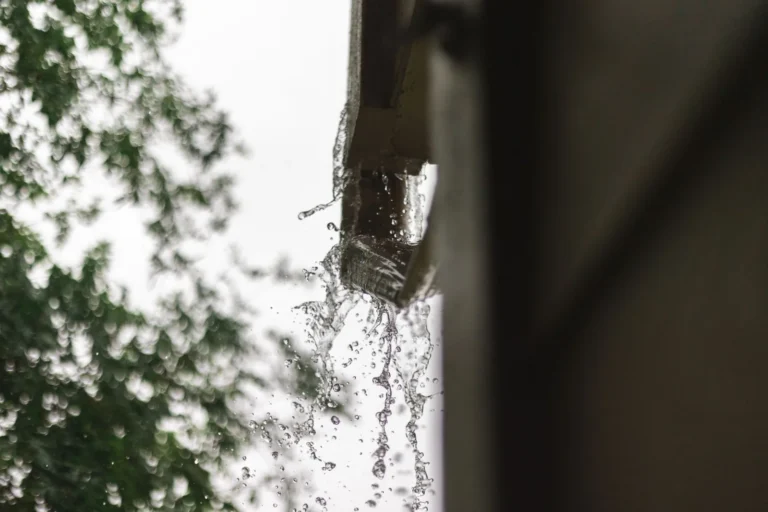
Clogged gutters cause far more than a messy ladder chore. When water backs up, it spills over the fascia and runs down the siding, saturating the soil at the foundation line. Over a few wet seasons that produces three problems every contractor dreads: rotted fascia boards, mold on interior walls, and foundation cracks from repeated freezing and thawing. Water damage remains one of the most common and expensive homeowner claims, and a large share of it starts right at the roofline.
A gutter guard is a physical barrier that lets water in while keeping leaves, needles, seeds, and shingle grit out — or at least sending them off the edge. In 2026 the category splits into five main designs, each with a different sweet spot between price and performance:
- Micro-mesh — a fine stainless-steel or aluminum screen that filters out almost everything except silt.
- Foam — open-cell inserts that sit inside the gutter and let water soak through.
- Brush — bottle-brush-style bristles that catch big debris while water flows between them.
- Screen — use with punched-metal or plastic covers, the cheapest and least effective option.
- Reverse-curve (also called surface-tension) — a solid hood that carries water around a curved nose while debris slides off.
The right pick depends less on brand loyalty and more on what falls on your roof. If you live under pine or fir, you need micro-mesh or reverse-curve. If your main problem is maples and oaks dropping broad leaves, even a good screen will do the job.
The Best Gutter Guards 2026
Photo by Adrien Olichon via Pexels
These are the systems that consistently top homeowner reviews and our own cost-per-year math heading into 2026:
- LeafFilter is the best-known professional micro-mesh system, built from 275-micron stainless steel. Its real advantage is structural — a recessed, rigid frame that doesn’t sag the way cheap DIY mesh does. The tradeoff is price: expect roughly $12 to $30 per linear foot installed, depending on your market and roofline.
- Raptor by Gutterglove is one of the strongest DIY micro-mesh options. It installs under the first course of shingles and handles heavy needle loads without collapsing. Homeowners pay around $2 to $4 per foot for materials alone.
- Amerimax snap-in screen guards are the budget champion at $0.50 to $2 per foot. They stop leaves and larger debris but let seeds, maple wings, and fine grit through, so you’ll still clean occasionally.
- GutterStuff foam inserts run $1 to $3 per foot and take minutes to install with no fasteners. They work for a few years but degrade under UV exposure and can hold moisture against the gutter, which shortens their useful life in wet climates.
- GutterBrush sits in the $2 to $4 per foot range and handles needles decently, but it collects fine debris over time and needs pulling out for a full clean.
The honest through-line is that cheap solves come back around. A $150 DIY screen job that requires a roof ladder twice a year costs more in time — and risk — than a $2,500 professional micro-mesh install that you mostly forget about.
Gutter Guard Types Compared
| Feature | Micro-Mesh | Foam | Brush | Reverse-Curve |
|---|---|---|---|---|
| Material cost per foot | $2–$4 | $1–$3 | $2–$4 | $20–$30 installed |
| Stops pine needles | Excellent | Poor | Good | Excellent |
| Stops shingle grit | Excellent | Fair | Poor | Good |
| DIY-friendly | Moderate | Very easy | Very easy | No (pro install) |
| Typical lifespan | 15–25 years | 2–5 years | 5–10 years | 20+ years |
| Handles heavy rain | Good | Poor | Fair | Good |
Micro-mesh and reverse-curve dominate the high end because they actually solve the problem rather than delaying it. Foam and brush are reasonable stopgaps for a rental or a home you’ll sell within a few years, but they are not long-term answers.
What Gutter Guards Cost in 2026
Photo by Barnabas Davoti via Pexels
Costs in 2026 haven’t moved much from last year, but professional labor keeps climbing, which widens the gap between DIY and full-service installs. A typical single-story home has 150 to 200 linear feet of gutter.
- DIY screen or foam: $100 to $400 for a whole home, not counting your time.
- DIY micro-mesh: $400 to $800 in materials for a 200-foot home.
- Professional screen installation: $600 to $1,500.
- Professional micro-mesh (LeafFilter, Gutter Helmet types): $1,500 to $4,500 installed, with the high end reserved for steep rooflines, two-story homes, and gutter repairs.
- Reverse-curve hoods: $4,000 to $6,000+ installed.
Remember that the guard is only half the equation. If your existing gutters are corroded, sagging, or incorrectly pitched, you’ll be paying to fix them anyway. For a realistic total on a full replacement, see our breakdown of gutter installation costs before you sign any quote.
How to Choose the Right Gutter Guard
Rather than chasing the shiniest marketing claim, run any candidate through these five filters:
- Identify your debris. Maple leaves, oak catkins, fir needles, and shingle grit all behave differently. Needles demand micro-mesh or reverse-curve; broad leaves are forgiving.
- Match the guard to your roof pitch. Steep roofs shed water fast, which can shoot water over the guard instead of through it. Micro-mesh handles this better than foam or screen.
- Check your climate. In heavy snow or ice regions, guards mounted under shingles are less likely to get torn off by sliding snow than surface-mounted covers.
- Factor in DIY skill honestly. Installing micro-mesh means tucking tabs under shingles along the entire roofline — doable, but it means hours on a ladder. If you’re not confident standing on a roof, pay a pro.
- Read the warranty for fine print. Many “lifetime” warranties cover only the product, not the labor to replace it, and some become void if you let the gutters overflow.
If you’re still on the fence about whether any guard is worth the money at all, we weigh the full argument in do gutter guards actually pay for themselves.
Common Mistakes to Avoid
Most gutter guard disappointments trace back to one of four avoidable errors:
- Overlooking gutter repairs first. Clogged-downspout clamps, rusted end caps, and sagging runs defeat even a premium guard. Fix the gutters before covering them.
- Picking a guard that sheds, not filters. Some hood designs fling heavy rain straight off the edge during a downpour, sending that water into the foundation instead of the downspout.
- Ignoring existing roof condition. Installing guards makes sense only if the roof above them is sound. If you’re replacing shingles within a couple years anyway, check what a roof replacement costs and bundle the work.
- Forgetting the underside. Micro-mesh that stops pine needles above can still catch fine dust below, so plan for an occasional rinse with a hose even with the best systems.
Frequently Asked Questions
Are gutter guards worth it in 2026?
For most homeowners, yes — if you pick the right design. The payoff isn’t the money you save on cleanings; it’s the damage you avoid from overflow, and the time and fall risk you remove by not climbing a ladder twice a year. Foam and brush are marginal. Micro-mesh and reverse-curve earn their cost.
What is the best type of gutter guard for pine needles?
A stainless-steel micro-mesh with openings under 300 microns is the best answer for pine and fir needles. Flexible brush inserts are a passable second choice, but foam and large-hole screens will clog and fail.
How much does it cost to have gutter guards installed?
Plan on $600 to $1,500 for professional screen installation and $1,500 to $4,500 for micro-mesh or reverse-curve systems on a typical 150–200-foot single-story home. DIY materials run $100 to $800 depending on the design.
Do gutter guards work in heavy rain?
Micro-mesh and reverse-curve systems are engineered to handle downpours, though a very steep roof can still cause water to shoot over some solid hoods. Foam inserts and fine screens are the most likely to overflow in a hard storm.
How long do gutter guards last?
Lifespan tracks the material: foam degrades in two to five years, brush in five to ten, quality screens in ten to fifteen, and stainless-steel micro-mesh or reverse-curve hoods can last twenty years or more.
For hands-on testing and brand comparisons, This Old House maintains a best gutter guards buying guide.
The Bottom Line
The best gutter guards 2026 are the ones that match what actually falls on your roof — not the ones with the biggest ad budget. If you have pines and firs overhead, invest in a quality stainless micro-mesh or a reverse-curve hood and accept that you’ll pay $1,500 to $4,500 installed. If you face only broad leaves and want a low-stakes fix, a snap-in screen at $150 does real work.
Before you buy, grab a couple of quotes, verify your gutters are in shape to carry water once they’re covered, and confirm the warranty covers the labor — not just the part. For deeper dives into the surrounding costs and tradeoffs, revisit our guides on gutter installation costs and the roof replacement cost timeline so you don’t over-improve a roofline that’s due for bigger work soon.