Gazebo vs Pergola Difference: Which Backyard Structure Should You Build?
The gazebo vs pergola difference comes down to one thing: a roof. A gazebo has a solid, watertight roof that gives you full shade and shelter from rain. A pergola has an open slatted top that filters sunlight but leaves you partly exposed to the weather. Both turn an empty patch of lawn into an outdoor living room, yet they solve different problems — and cost different amounts to build.
Put another way, a gazebo is a small outdoor room with a ceiling, while a pergola is more of an architectural frame that defines a space and dapples light through it. Understanding that single structural distinction will save you from spending thousands on the wrong structure. Here’s how to tell them apart, what each typically costs, and which one fits your yard and budget.
What Is a Gazebo?
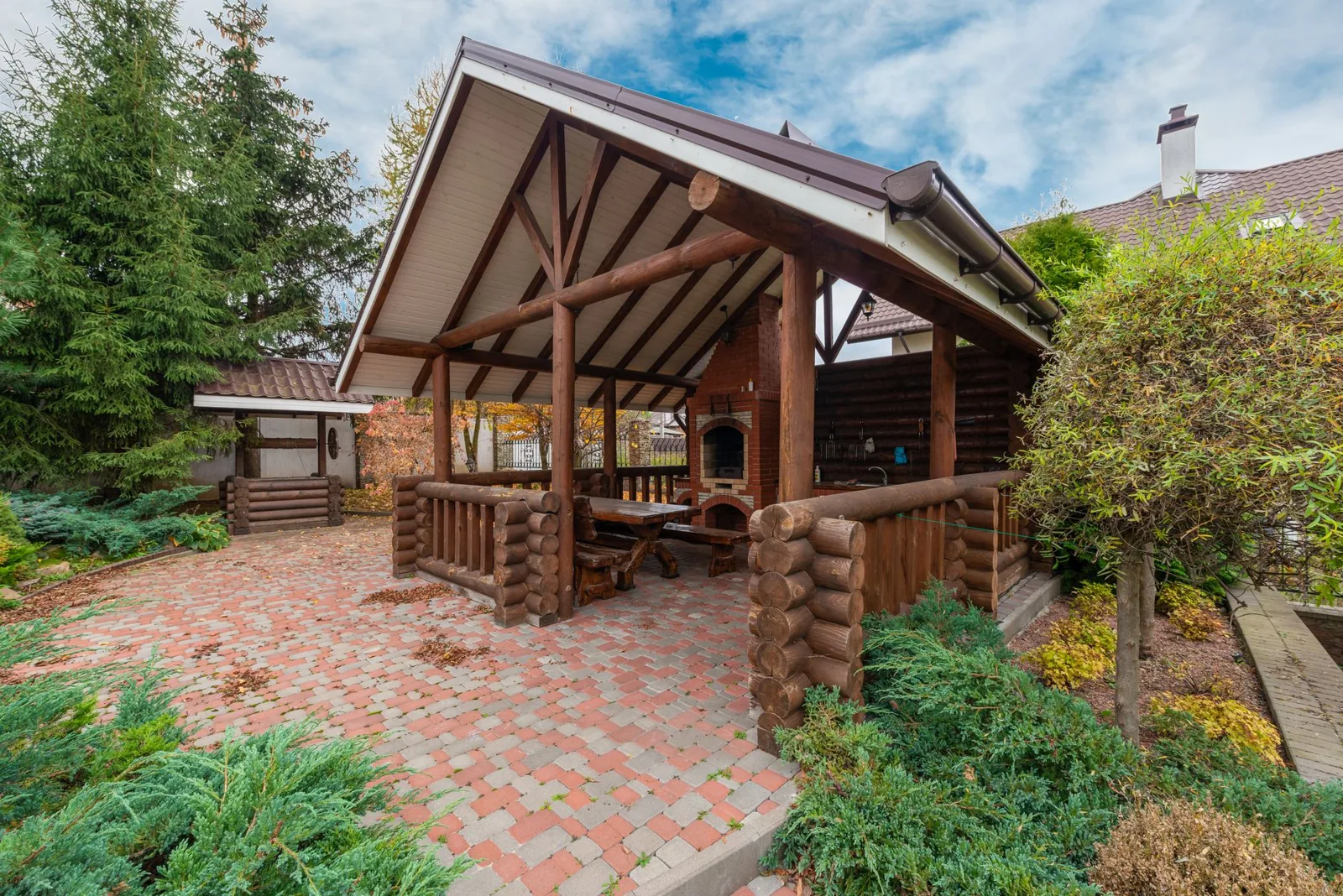
A gazebo is a freestanding, fully covered structure with a solid roof, open or partially enclosed sides, and a base made of wood, composite, or a paver patio underneath. Most are round, hexagonal, or octagonal, though square and rectangular models are common too. The defining feature is the roof: it sheds rain, blocks the afternoon sun, and protects whatever sits underneath, from a dining set to a hot tub.
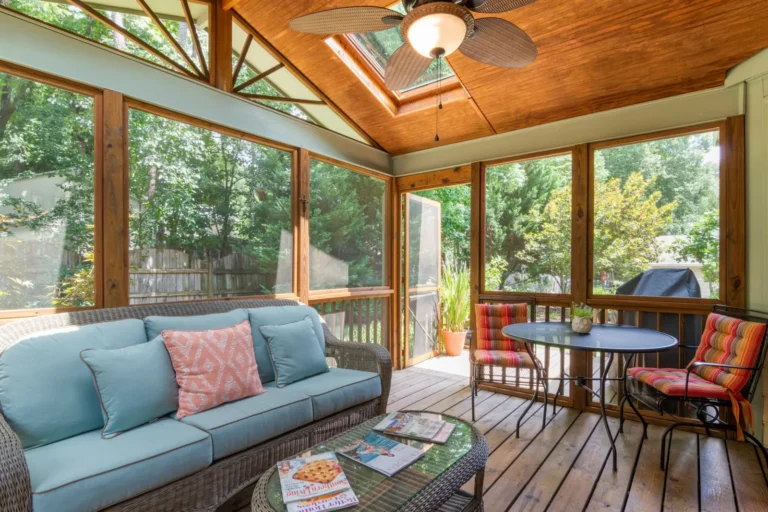
Because a gazebo is fully roofed, it behaves like an extra room outdoors. Many homeowners add screens, curtains, or built-in bench seating, and run electrical for ceiling fans or string lights. Gazebos come in several common forms:
- Wood gazebos (cedar, pine, or pressure-treated lumber) — the classic look, often $8,000 to $20,000+ for a custom build.
- Vinyl and composite gazebos — low-maintenance, a popular mid-range choice.
- Metal or aluminum gazebos — lighter, rust-resistant, and cheaper, typically $2,500 to $8,000 for a kit.
- Hardtop gazebos — metal or polycarbonate roofs over an aluminum frame, sold as DIY kits by brands like Yardistry, Sojag, and Sunjoy.
A screened or enclosed gazebo shades people but still lets air move through, which is why you see them around pools, grills, and garden seating in hot climates.
What Is a Pergola?
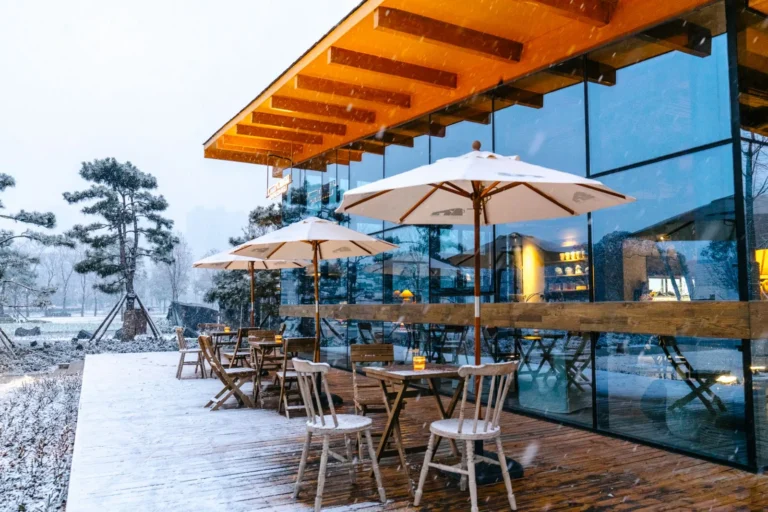
A pergola is an open-air structure made of vertical posts supporting horizontal beams and an open cross-beam or slat roof. It has no solid roof, which means it provides partial shade and filtered light rather than full shelter. Many pergolas are attached to the house to extend a deck or patio, while others stand alone over a path, seating area, or outdoor kitchen.
The open top is the whole point of a pergola. It creates an airy, defined space without closing you off from the sky, and it gives climbing plants somewhere to grow. Wisteria, grapevines, climbing roses, and jasmine are all classic pergola plantings that eventually form a living canopy of shade.
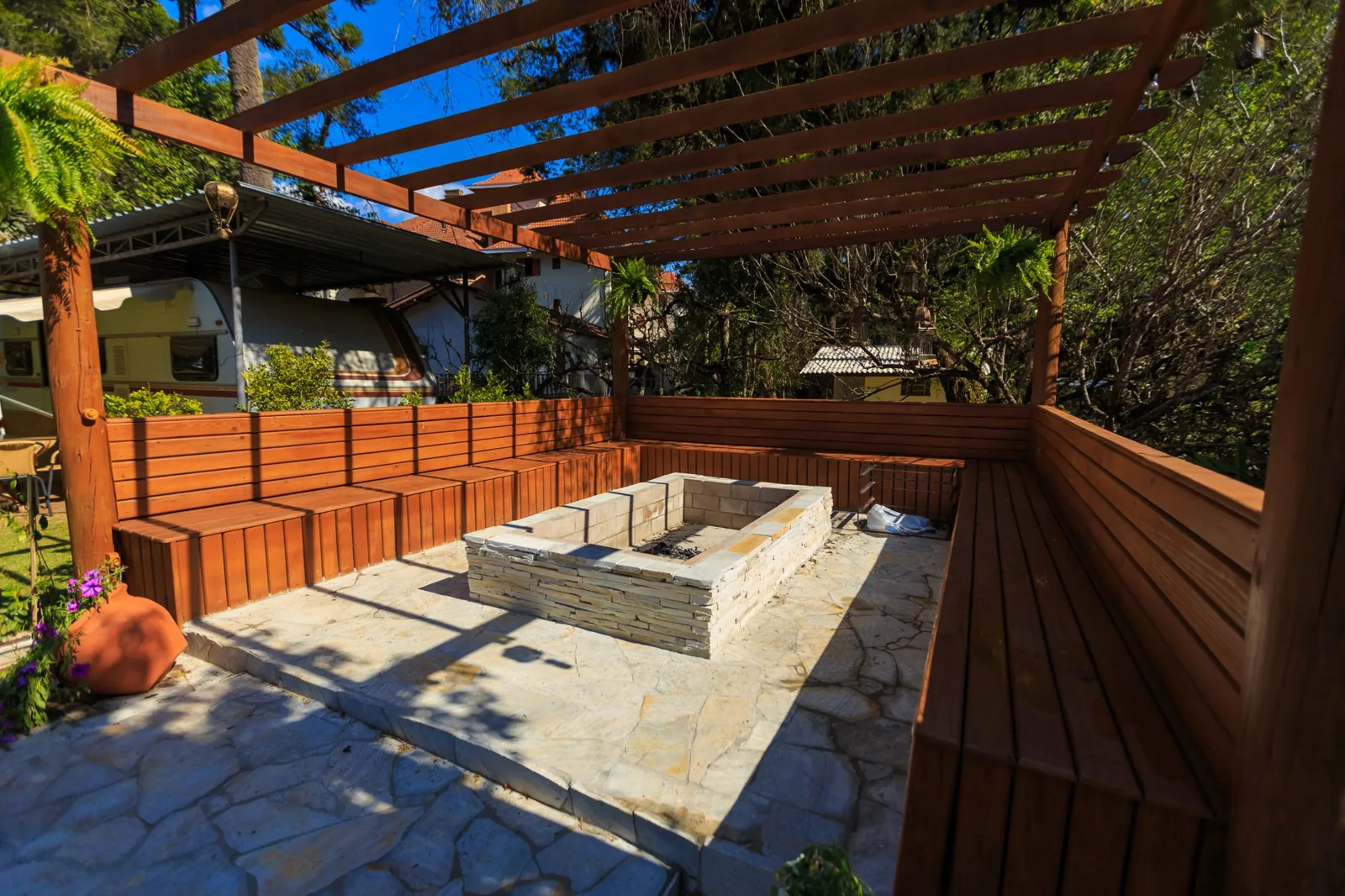
Photo by Matheus Bertelli via Pexels
Pergolas usually fall into two camps:
- Wood pergolas — cedar or pressure-treated pine, running $3,500 to $10,000 for a contractor-built version.
- Kit pergolas — aluminum, steel, or vinyl systems from brands like Toja Grid, Yardistry, and Backyard Discovery, often $1,500 to $6,000 in materials.
Because pergolas are lighter and open-topped, they cost less than gazebos of the same footprint and are easier to permit or install. You can also add a retractable canopy, shade sail, or louvered roof later to get more coverage without rebuilding.
Gazebo vs Pergola Difference: Roof, Shade, and Coverage
This is where the gazebo vs pergola difference really bites. The roof changes everything about how — and how often — you use the structure.
A gazebo’s solid roof gives you complete overhead coverage. Rain bounces off, the July sun is blocked from directly above, and the space under it stays usable in weather that would chase you off a pergola. The trade-off is that a gazebo can feel closed-in, and a solid roof means heat, airborne pollen, and cooking smoke from a nearby grill can linger underneath.
A pergola’s open slat roof gives you filtered, partial shade. On a sunny day it softens the light and drops the perceived temperature without darkening the space. It lets air and grill smoke escape, and plants can grow over it for shade that deepens over the years. The catch is water: a standard pergola does not keep rain off. A quick shower soaks whatever is underneath unless you add a canopy, polycarbonate panels, or a louvered roof system.
If you want true all-weather shelter for furniture, electronics, or a hot tub, a gazebo wins. If you want an airy architectural frame and don’t mind a little weather, a pergola is the better fit.
Gazebo vs Pergola Difference: Cost and Installation
Cost is the other big divider, and the gap is wider than most people expect once installation is factored in.
| Feature | Gazebo | Pergola |
|---|---|---|
| Kit price (materials only) | $2,500–$8,000 | $1,500–$6,000 |
| Contractor-built price | $8,000–$20,000+ | $3,500–$10,000 |
| Roof | Solid, watertight | Open slats (partial shade) |
| Weather protection | Full overhead shelter | Minimal to none |
| Typical install | 2–5 days, often needs a base | 1–3 days, lighter build |
| Best for | Dining, hot tubs, all-weather use | Gardens, plants, open-air seating |
Gazebos cost more because they need more material (a full roof and often more framing), a solid base such as a paver pad or concrete slab, and more labor to assemble. A custom cedar gazebo with electrical, screens, and a finished floor can easily cross $20,000.
Pergolas stay cheaper because they’re mostly posts and beams with no roof deck. A simple freestanding cedar pergola over a 12-by-12-foot patio might run $4,000 to $8,000 installed, while a comparable gazebo on the same footprint could push $10,000 to $15,000.
Neither structure usually needs a building permit if it’s small and unattached, but rules vary by city. Check local setbacks and height limits before you commit — some municipalities count a gazebo with a roof as an accessory structure, while an open pergola may fly under the radar.
Durability, Maintenance, and Weather Resistance
The materials you pick matter as much as the structure type. Wood pergolas and gazebos both need sealing or staining every two to three years, and both rot eventually if water pools. But a gazebo’s solid roof protects its own wood from direct sun and rain, so a well-built gazebo often outlasts an exposed pergola frame by several years.
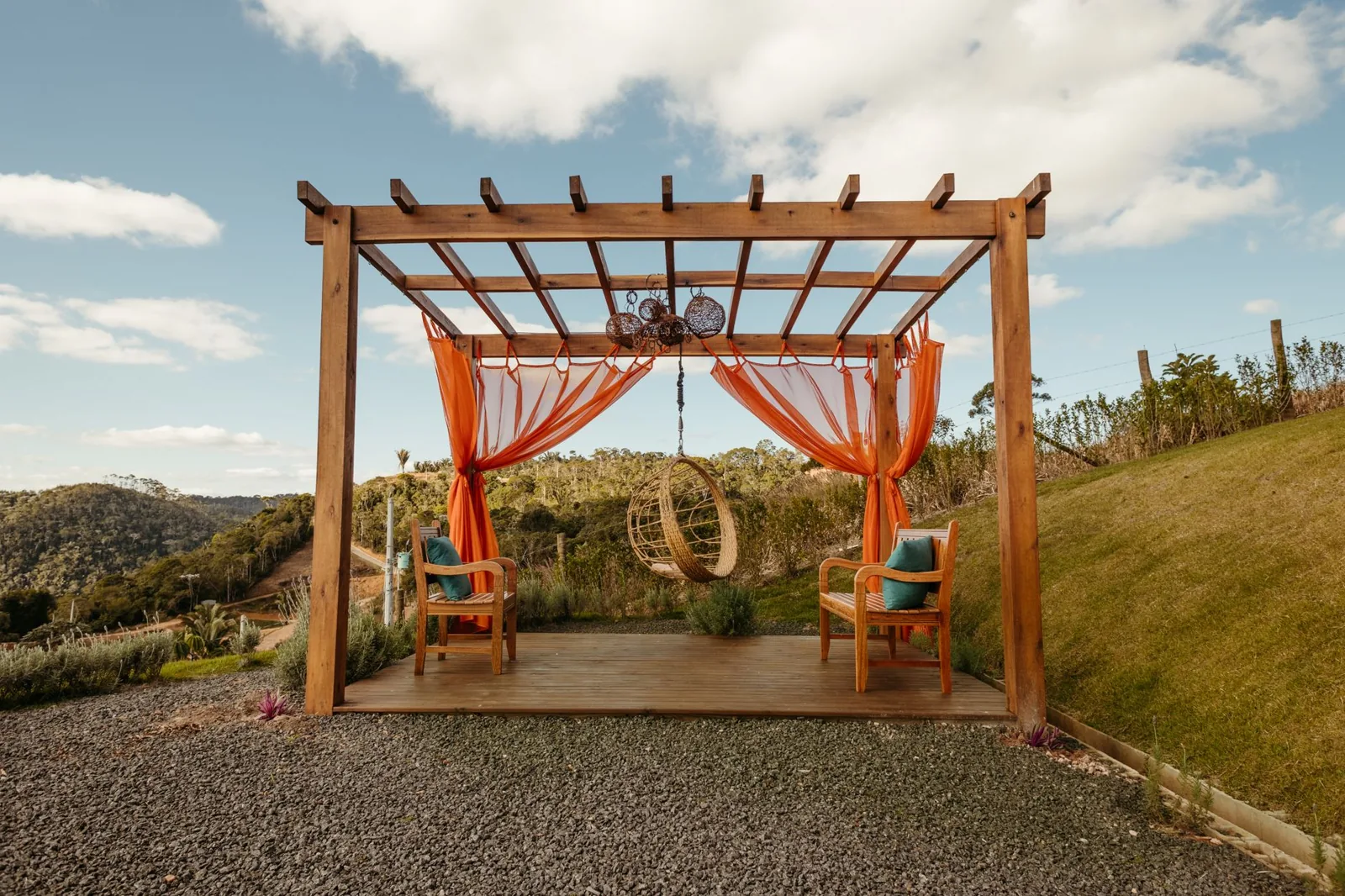
Photo by Jonathan Borba via Pexels
Vinyl and composite gazebos are essentially maintenance-free beyond an occasional wash, and aluminum kit structures resist rust and rot. For pergolas, cedar is the most rot-resistant wood, but it still grays and weathers without an annual sealer. If you live somewhere with heavy snow loads, a pergola’s open top is an advantage — snow falls through rather than piling on a roof — while a gazebo roof must be rated to carry that weight.
For longevity in wet or windy climates, budget for a gazebo anchored to a concrete pad with hurricane-rated ties. A pergola, by comparison, is lighter and catches less wind, but its posts still need to be set in concrete or on metal post brackets to survive a strong storm.
Which Structure Fits Your Backyard?
Neither one is the “better” structure — the right choice depends on how you’ll use the space.
Choose a gazebo if:
- You want full shade and rain protection for a dining set, sofa, or hot tub.
- You’ll host outdoors in weather other than a perfect sunny afternoon.
- You want a defined outdoor room that can be screened or enclosed for bugs.
- You’re willing to spend more up front for a permanent, room-like feature.
Choose a pergola if:
- You want an open, airy feel and filtered light rather than a dark solid roof.
- You plan to grow climbing plants for natural shade.
- You’re extending a deck or patio and don’t need to block rain.
- You want a lower-cost, easier-permit structure that still adds real definition.
A common middle path is a pergola with a retractable or louvered roof, which gives you most of a gazebo’s weather protection while keeping the pergola’s lighter look and lower price. For more on how a pergola can reshape a space, see our pergola ideas for your backyard and our guide comparing deck vs patio costs. If you’re planning around an outdoor kitchen, a covered patio idea may point you toward a hybrid solution — some homeowners combine a covered dining area with an open pergola over the grill zone.
Frequently Asked Questions
What is the main gazebo vs pergola difference?
The main difference is the roof. A gazebo has a solid, waterproof roof that provides full shade and shelter, while a pergola has an open slatted top that only filters sunlight and does not block rain. That single detail drives most of the difference in cost, weight, and how each structure is used.
Is a gazebo or pergola cheaper?
A pergola is almost always cheaper. Kit pergolas start around $1,500 to $6,000, while contractor-built wood pergolas typically run $3,500 to $10,000. Gazebos start higher — roughly $2,500 to $8,000 for a kit and $8,000 to $20,000 or more for a custom build — because the solid roof adds significant material and labor.
Do pergolas provide any shade?
Yes, but only partial, filtered shade. The slats block some direct sun and soften the light, but they won’t give full shade at high noon and they won’t keep rain off. For deeper shade without a full roof, you can add a retractable canopy, shade cloth, or fast-growing climbing vines.
Can a pergola be turned into a gazebo?
Not exactly, but you can get close. Adding polycarbonate panels, a louvered roof system, or a retractable canopy over a pergola gives you weather protection similar to a roof, though the frame and anchor requirements differ from a true gazebo. If you want full weather protection from the start, building a gazebo is usually cheaper than heavily modifying a pergola.
Do I need a permit for a gazebo or pergola?
Sometimes. Many small, unattached pergolas and lightweight kit gazebos are exempt, but a roofed gazebo is often treated as an accessory structure and may need a permit. Setbacks, height limits, and property-line rules vary by municipality, so confirm local requirements before you buy materials. Both This Old House and Bob Vila publish detailed guides on outdoor structure permits and pergola installation worth reviewing before you start.
The Bottom Line
Remember the gazebo vs pergola difference and the decision gets easy: solid roof versus open top. A gazebo is a genuine outdoor room that keeps sun and rain out, at a higher price. A pergola is a lightweight architectural frame that shades partially, grows plants, and costs less — but won’t keep you dry in a storm.
Match the structure to how you’ll actually live outdoors. Host dinners and lounge in the heat with full shelter? Build a gazebo. Want airy, plant-friendly style over a patio or garden path without breaking the budget? A pergola is your answer. Whichever you choose, get the base and anchoring right, spend on rot-resistant materials, and that one structure will anchor your backyard for decades.