Retaining Wall Cost per Square Foot: A Complete Pricing Guide
A retaining wall is one of those projects that quietly transforms a yard. It turns a sloped, unusable lot into flat, plantable space, holds back a bank of soil, and adds definition to a patio or garden bed. It also carries a real price tag, and the figure most homeowners want first is the retaining wall cost per square foot. For a standard wall built by a contractor, you should budget roughly $25 to $75 per square foot installed, depending on the material and how much preparation the site needs.
That range is broad because a 3-foot block wall on flat ground is a very different job from a 6-foot engineered wall with drainage, geogrid reinforcement, and a permit. The good news is that most of the cost is predictable once you understand a few core variables: material, height, drainage, and access.
Below, we break down what you will actually pay for a retaining wall in 2026, material by material, plus the extras that catch people off guard. Use these numbers to compare quotes, not just to guess.
Average Retaining Wall Cost per Square Foot
Most single-family retaining walls fall between 25 and 50 square feet of face area per project, which translates to a total job cost of roughly $1,500 to $12,000. The per-square-foot figure is the easiest way to compare materials because it removes the effect of wall size.
Here is how the math typically works out:
- Materials only: $10 to $40 per square foot
- Labor only: $15 to $35 per square foot
- Full installed cost: $25 to $75 per square foot
- Average total project: $3,500 to $8,500 for a 25- to 40-square-foot wall
A basic 3-foot-by-20-foot block wall (60 square feet) usually lands between $1,800 and $3,600. The same wall in natural stone can push past $4,500. Height is the single biggest multiplier, because a taller wall needs a wider footing, more reinforcement, and more careful drainage.
Retaining Wall Materials and Their Costs
The material you choose sets the floor for your budget. Here is a quick comparison of the four most common options, followed by a deeper look at each.
| Material | Cost per Sq Ft | Best For | Notes |
|---|---|---|---|
| Concrete block | $20-$40 | Most yards, mid-height walls | Best balance of price and durability |
| Poured concrete | $30-$60 | Tall or structural walls | Strongest, often needs forms and rebar |
| Natural stone | $30-$75 | Sloped sites, high-end look | Premium price, long life |
| Treated timber | $15-$30 | Low walls under 3 feet | Cheapest upfront, shortest lifespan |
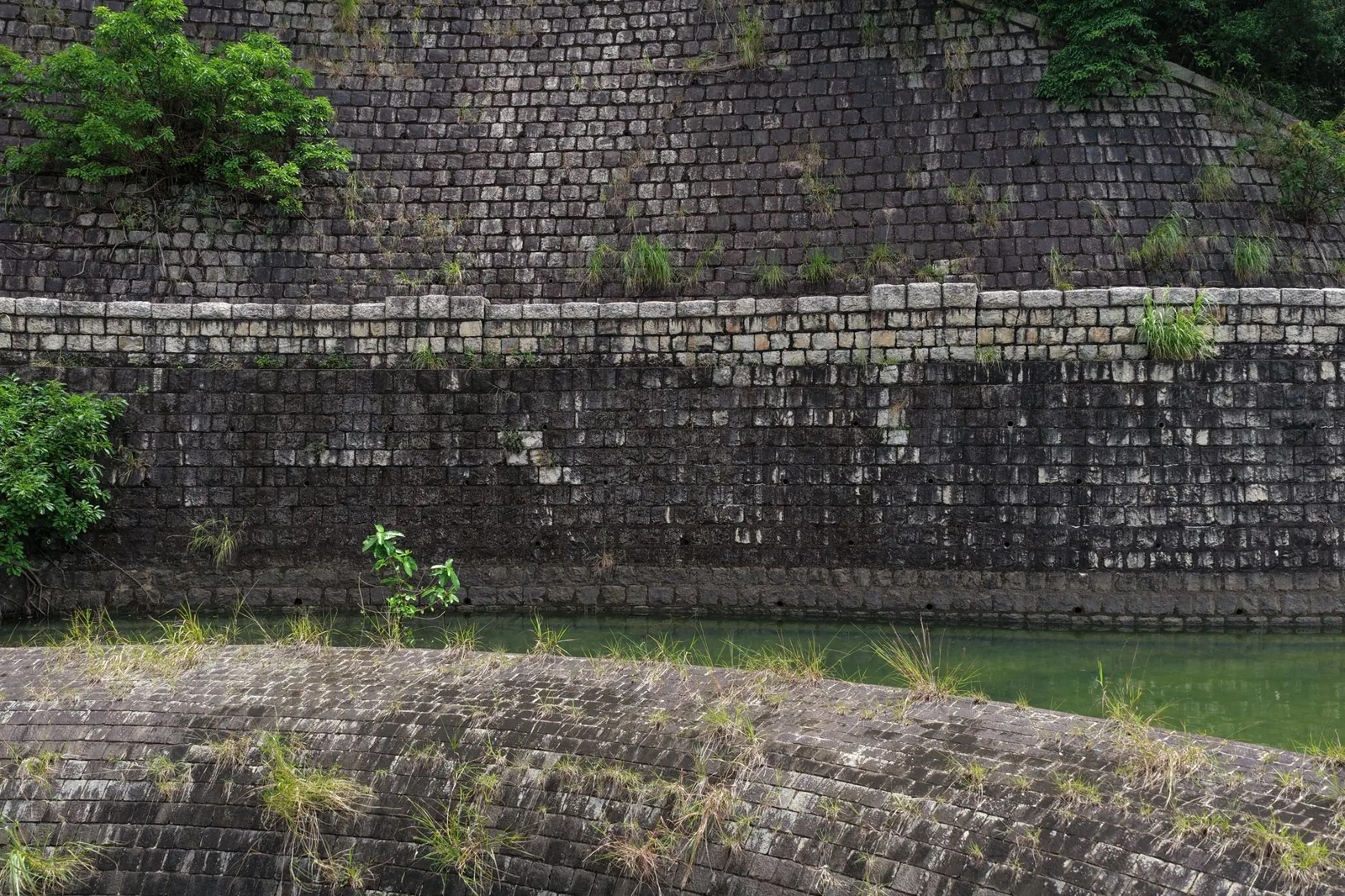
Photo by kwok fai sin via Pexels
Concrete Block (Segmental Retaining Wall Units)
Interlocking concrete blocks — brands like Allan Block, Anchor Wall Systems, and Versa-Lok — are the workhorse of residential retaining walls. They do not need mortar, they stack fast, and they come in dozens of textures and colors.
- Materials: $10 to $18 per square foot
- Installed: $20 to $40 per square foot
Expect to pay toward the higher end if you want a cap course, split-face texture, or a curved wall, which forces installers to cut more blocks.
Poured Concrete
A poured concrete wall is a structural wall: forms are set, rebar is tied, and concrete is pumped in. It is the right choice for tall walls, walls supporting a driveway, or anywhere an engineer signs off on the design.
- Installed: $30 to $60 per square foot
- Taller than 4 feet: $50 to $75 per square foot
The per-square-foot cost climbs sharply with height because footings get wider and the concrete pour itself gets more involved.
Natural Stone
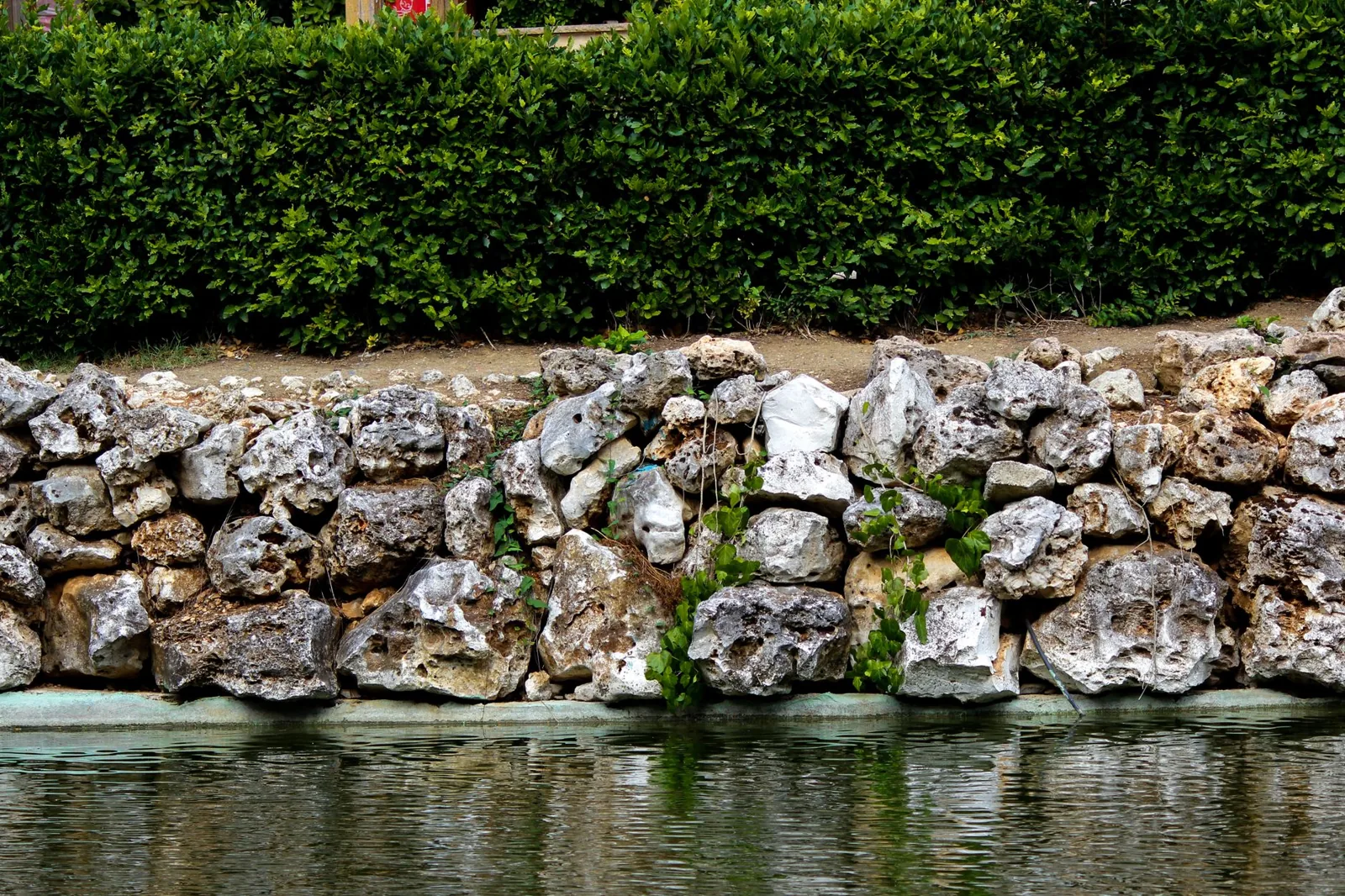
Dry-stacked or mortared stone is the most expensive common option, and the price depends heavily on whether you use local fieldstone or quarried stone that has to be trucked in.
- Installed: $30 to $75 per square foot
- Premium quarried stone: $50 to $100 per square foot
Stone rewards you with looks and a lifespan measured in decades, but skilled stone masons charge more than block installers.
Treated Timber
Pressure-treated wood sleepers are cheap and quick to install, which makes them popular for short garden walls.
- Installed: $15 to $30 per square foot
- Lifespan: 10 to 20 years
Even with good drainage, wood eventually rots and bows under soil pressure. It is a fine choice under 3 feet; above that, it becomes a liability rather than a bargain.
What Actually Moves the Price
Beyond the material itself, four factors change your final invoice more than anything else.
Wall Height
Every retaining wall holds back soil, and soil pushes harder the taller the wall gets. Most states do not require a permit below 3 to 4 feet, but once you pass that mark you may need an engineer’s stamp, geogrid reinforcement, and a deeper footing — all of which add quickly. A 6-foot wall can cost two to three times as much per square foot as a 2-foot wall.
Drainage and Backfill
A wall that does not drain will fail, usually within a few years. Proper drainage means gravel backfill, a perforated pipe behind the base, and weep holes or a drainage blanket. This work rarely shows in the final look but can add $15 to $30 per linear foot. Skipping it to save money is the most expensive mistake you can make on this project.
Site Access and Soil
If the installer can back a skid steer right up to the wall line, excavation and material handling stay cheap. On a fenced, terraced, or walk-down-only site, crews may have to move gravel and blocks by wheelbarrow — or bring in a conveyor. Rocky soil and heavy clay also slow excavation and drive labor costs up.
Permits and Engineering
Expect $100 to $1,000 for permits and engineering depending on your municipality and wall height. Check with your local building department before you buy materials; some jurisdictions require a permit for any wall over 2 feet.
Additional Costs You Should Not Skip
The sticker price of the wall is only part of the job. These line items show up on almost every professional quote.
- Excavation and grading: $50 to $75 per hour, or $10 to $30 per square foot
- Gravel and drainage pipe: $15 to $30 per linear foot
- Geogrid reinforcement (tall walls): $2 to $5 per square foot of wall
- Cap course: $10 to $25 per linear foot for a finished top
- Backfill and clean fill soil: $15 to $40 per cubic yard plus delivery
- Landscaping and sod repair: $500 to $1,500 to re-establish plantings
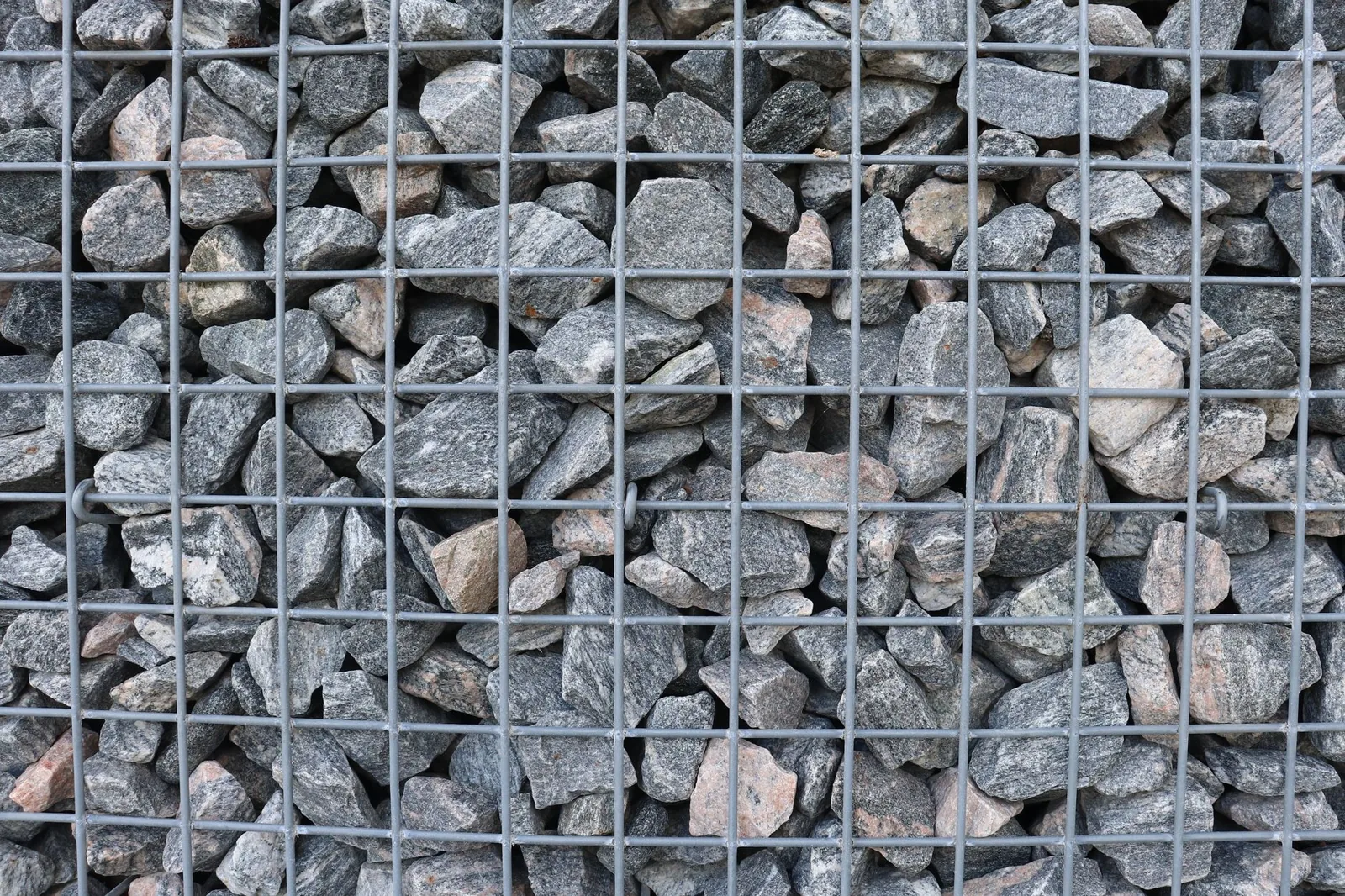
Photo by Jef KoeleWijn via Pexels
None of these are optional on a well-built wall. When you compare bids, ask each contractor to itemize drainage and excavation so you are comparing the same scope.
DIY vs. Hiring a Pro
Building a short block wall is one of the more approachable DIY hardscaping projects, but the labor savings come with real risk.
- DIY (under 3 feet): $10 to $20 per square foot for materials, plus a weekend or two of work and the cost of renting a compactor
- DIY risks: improper drainage, an unlevel base course, and walls that lean out over time
- Hiring a pro: $25 to $75 per square foot, often backed by a workmanship warranty
If your wall is under 3 feet, you can seriously consider doing it yourself — The This Old House guide on building a retaining wall walks through the base course, leveling, and drainage steps in detail. Above 3 feet, or anywhere an engineer is required, hire a licensed contractor.
While you are planning the yard, think about how the wall fits the bigger picture. A flat patio built on a retained bank can flow right into an outdoor kitchen, and a well-placed wall gives you a clean backdrop for a pergola over the seating area. If you are weighing how the wall compares to other hardscape, our deck vs. patio cost breakdown is a useful companion read.
Frequently Asked Questions
How much does a retaining wall cost per square foot?
Most retaining walls cost $25 to $75 per square foot installed. Materials alone run $10 to $40 per square foot, and labor adds $15 to $35 more.
How much does a 50-foot retaining wall cost?
A 3-foot-by-50-foot wall (150 square feet) typically costs $4,500 to $11,000 depending on material. Concrete block lands at the lower end; natural stone at the higher end.
Do I need a permit for a retaining wall?
Many municipalities require a permit for any wall over 3 to 4 feet, and some require one for walls over 2 feet. Check your local building department before starting, since unpermitted walls can block a future home sale.
What is the cheapest retaining wall material?
Treated timber is the cheapest at $15 to $30 per square foot installed, but it lasts only 10 to 20 years. Concrete block offers the best long-term value at $20 to $40 per square foot.
How much does it cost to fix a failing retaining wall?
Repairs usually run $50 to $150 per linear foot, but a wall that has bulged or cracked often needs a full rebuild. Proper drainage at the start is almost always cheaper than fixing a wall that was built without it.
How long does a retaining wall last?
A well-built block or stone wall with good drainage can last 50 to 100 years. Timber walls last 10 to 20 years, and even a concrete wall can fail early if water is not managed behind it.
For a deeper look at material options and repair signs, Bob Vila’s retaining wall overview is a good reference.
For drainage and engineering specifics, This Old House explains how retaining walls work.
The Bottom Line
The retaining wall cost per square foot you should plan around is $25 to $75 installed, with $3,500 to $8,500 as a realistic range for a typical residential wall. Material is the biggest lever you control — concrete block for value, stone for longevity, timber for a quick budget fix — but drainage and a proper base course matter more to the wall’s lifespan than anything else.
Get at least three written quotes, ask each contractor to itemize excavation, drainage, and permits, and resist the temptation to cut corners on water management. A retaining wall is a long-term structure, and the cheapest square foot is rarely the one that holds up.