Outdoor Kitchen Cost: What Homeowners Really Pay in 2025
A realistic outdoor kitchen cost in the United States falls between about $6,000 and $30,000, with most homeowners landing in the $13,000 to $18,000 range for a built-in island, a quality gas grill, a small refrigerator, and stone or concrete countertops. At the low end, a prefabricated grill cart you can wheel under a covered patio might run $1,500 to $5,000. At the high end, a full masonry cooking pavilion with a smoker, pizza oven, wet bar, and pergola roof can push past $75,000.
The good news is that the final number is almost entirely a product of choices you control: the frame material, the number of built-in appliances, the countertop surface, and whether you hire a contractor or do part of the work yourself. Below is a straight, line-by-line breakdown of where the money goes so you can set a budget that actually holds.
Average Outdoor Kitchen Cost: Real Ranges
Home services platform Angi puts the national average for an outdoor kitchen at roughly $13,180, with a typical range of $6,000 to $30,000. That average is a useful planning figure, but the spread is wide because “outdoor kitchen” covers everything from a standalone grill station to a full covered cookhouse. A practical way to think about it is in three tiers:
- Basic cart or cabinet setup — $1,500 to $5,000. A rolling grill cart, a side table, and maybe a small beverage cooler. Typical for patios, decks, and first-time buyers.
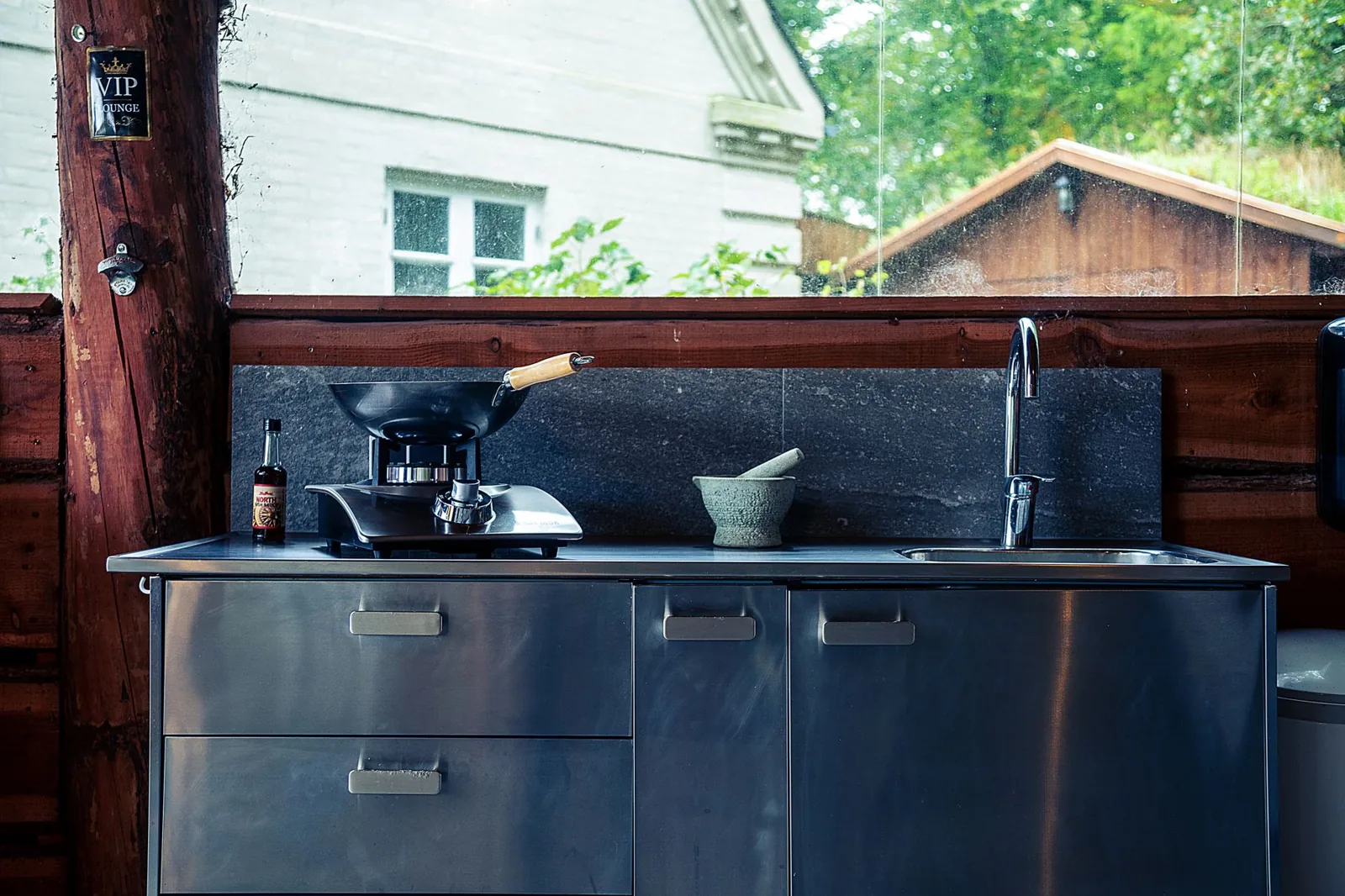
- Mid-range built-in — $13,000 to $18,000. A steel or concrete-block island frame with a 32- to 36-inch built-in gas grill, an under-counter refrigerator, a sink, and stone or concrete countertops. This is the sweet spot for most homeowners.
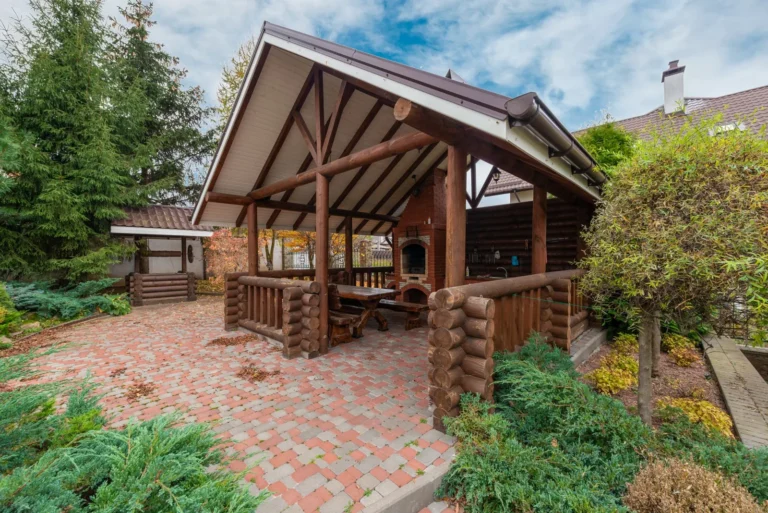
- Premium full build — $30,000 to $75,000+. Masonry construction, a smoker or wood-fired pizza oven, outdoor-rated cabinetry, bar seating, plumbing, and an overhead structure.
What swings these numbers more than anything else is the material you build the island from and the appliances you specify.
Outdoor Kitchen Cost by Component
Breaking the project into line items makes it far easier to see where you can trim without sacrificing the parts you actually cook on. These are current, realistic installed prices for a mid-range build in most US metro areas:
- Island frame and cladding: $3,500 to $9,000
- Countertops: $60 to $150 per square foot installed
- Built-in gas grill: $2,500 to $10,000 (entry brands like Blaze and Coyote start lower; Lynx and Twin Eagles run higher)
- Under-counter refrigerator: $1,000 to $3,000
- Sink and faucet: $500 to $1,500
- Wood-fired pizza oven: $2,000 to $6,000
- Utility hookups (gas, electric, plumbing): $2,000 to $6,000 combined
- Permits and inspections: $200 to $1,500
Grills are the line item people overspend on fastest. A $2,800 32-inch grill will cook a steak just as well as a $9,000 one for the vast majority of backyards; the extra money buys nameplate status and marginal longevity.

Photo by RDNE Stock project via Pexels
Frame Material Sets the Price
Your island frame is the single biggest structural cost, and the material you choose dictates both the build price and how long the kitchen lasts. Pressure-treated wood is the cheapest to start, but steel studs wrapped in cement board are the standard for a permanent, non-combustible island that supports heavy stone or tile.
| Frame Type | Typical Installed Cost | Best For | Notes |
|---|---|---|---|
| Pressure-treated wood | $1,500 to $4,000 | Budget DIY and covered patios | Cheapest and easy to build, but shortest lifespan; line it around any open flame |
| Steel studs + cement board | $4,000 to $7,500 | Built-in looks, moderate budgets | Most popular choice; non-combustible and handles tile or stone veneer well |
| Prefab modular panels | $2,500 to $6,000 | Kit builds and fast installs | Decent quality with limited finish options; ships flat |
| Concrete block / masonry | $7,000 to $14,000 | Permanent, high-end builds | Heaviest and most durable; needs a proper footing and a skilled mason |
Countertop Choices and Their Price
Countertops get chosen mostly by looks, but the installed cost per square foot differs sharply from one material to the next. Outdoor surfaces also need to survive sun, rain, and freeze-thaw cycles, which rules out a few indoor favorites.
| Material | Installed Cost (per sq ft) | Durability | Notes |
|---|---|---|---|
| Tile | $30 to $60 | Medium | Budget-friendly, but grout needs regular sealing |
| Granite | $60 to $150 | High | Needs annual sealing; classic look |
| Concrete | $65 to $135 | High | Can be cast and stained any color; requires sealing |
| Stainless steel | $90 to $160 | High | Commercial look that resists heat and stains but shows scratches |
For a typical 20-square-foot island top, choosing granite over stainless steel saves roughly $400 to $1,000 — money you could redirect toward a better grill or a side burner.

Photo by Lylah To via Pexels
Built-In Appliances: Where the Money Goes
Appliances typically account for 30 to 40 percent of a full outdoor kitchen budget, and they are the category where a little patience pays off. Buy at the end of the summer grilling season, and many retailers discount built-in units 10 to 20 percent to clear inventory.
- Grill: $2,500 to $10,000. The 32-inch built-in is the workhorse size for a family of four to six.
- Side burner: $500 to $1,200. Useful for sauces and sides; cheaper than a second full grill.
- Refrigerator: $1,000 to $3,000. Must be outdoor-rated; a dorm fridge will fail fast in the sun.
- Pizza oven: $2,000 to $6,000. A wood-fired unit raises the build cost but adds real resale appeal.
- Ice maker or kegerator: $800 to $2,500. Pure optional add-ons that inflate the total quickly.
One caution: every gas appliance you add usually means another connection point, which quietly increases both the appliance and the plumbing electrical line items.
DIY vs. Hiring a Contractor
Labor is the second-largest lever on your outdoor kitchen cost after appliances, and it cuts both ways. For a full built-in project, professional installation typically represents 40 to 50 percent of the total — a contractor handling the frame, counters, and hookups can add $6,000 to $15,000 to the job.
A skilled DIYer can realistically save that amount by building the island frame and setting prefab counters themselves. But there are hard lines you should not cross without a licensed pro:
- Gas line extension to the grill location — many municipalities require a licensed plumber to pull the permit.
- Electrical work for outlets, lighting, and a refrigerator circuit — a GFCI-protected circuit is non-negotiable near water.
- Anything involving a load-bearing overhead structure if you add a pergola or roof.
The middle path most homeowners take: hire out the gas and electrical, and handle the frame, tiling, and finishing yourself to capture most of the savings with none of the code risk.
Hidden Costs Most Quotes Miss
Contractor quotes frequently cover only the kitchen itself, leaving out the site work that makes a build possible. These are the line items that catch first-timers off guard:
- Patio or paver base: $1,500 to $6,000 if you don’t already have level paving.
- Gas line extension: $500 to $2,500 depending on distance from the meter.
- Structural support: $500 to $2,000 to reinforce an existing deck so it can carry the island’s weight.
- Roof or cover: $2,000 to $8,000 if you add a pergola, pavilion, or awning overhead.
- Drainage and grading: $500 to $3,000 to keep water away from the island.
Ask every contractor to itemize site prep, utilities, and permits separately. A clean, line-item bid is the fastest way to compare one quote against another and stop the “surprise” line items at contract time.
How to Keep Your Outdoor Kitchen Cost Down
You don’t have to compromise function to stay on budget. These tactics reliably trim thousands from a build:
- Build in phases. Pour the island and run utilities now; add the pizza oven or kegerator next year.
- Choose a steel-stud frame with cement board instead of masonry — same finished look, roughly half the structural cost.
- Limit yourself to one or two built-in appliances. A grill plus a refrigerator covers 90 percent of real use.
- Buy appliances off-season. End-of-summer sales on built-in grills routinely hit 15 to 20 percent off.
- Do the finishing work yourself. Setting tile, sealing counters, and building the frame are genuinely DIY-able.
If you’re still weighing whether a full kitchen is worth it, a simpler, cheaper patio setup can deliver much of the same enjoyment — comparing the deck vs. patio cost per square foot is a good place to start.
Frequently Asked Questions
How much does a basic outdoor kitchen cost?
A basic rolling grill cart setup runs about $1,500 to $5,000. A modest built-in island with a grill, small refrigerator, and concrete counters typically lands between $10,000 and $15,000.
What is the most expensive part of an outdoor kitchen?
Appliances usually top the list at 30 to 40 percent of the total, followed by the island frame and countertops. Built-in grills alone range from $2,500 to $10,000.
Is an outdoor kitchen worth the investment?
For households that cook and entertain outdoors regularly, yes. Most appraisers estimate a well-built outdoor kitchen recovers 50 to 70 percent of its cost at resale, and it can be a differentiator in warm-weather markets.
Can I save money by building an outdoor kitchen myself?
Yes, but selectively. Building the frame and finishing counters yourself can save $5,000 to $15,000, while gas and electrical work should stay with licensed pros for safety and code compliance.
How long does an outdoor kitchen last?
A steel-stud or masonry island with proper sealing typically lasts 15 to 25 years or more. Appliances usually need replacement every 10 to 15 years, sooner in harsh climates without overhead cover.
The Bottom Line
An outdoor kitchen cost is ultimately a range you control. Around $13,000 to $18,000 buys a genuinely great mid-range setup — a built-in grill, a refrigerator, a sink, and stone counters on a durable steel-stud island — while disciplined choices on appliances, materials, and DIY scope can keep you closer to $10,000 without cutting the parts you’ll actually use.
Start by itemizing every component, get at least three line-item quotes if you’re hiring out, and phase in the luxuries later. Whether the next step is a full build or a simple grilling station out on the patio, knowing your real numbers up front is what turns a dreamy Pinterest board into a kitchen you cook in every weekend.