Paver Patio vs Concrete: Costs, Durability, and Which to Choose
The paver patio vs concrete debate comes up every single season, and for good reason. Both surfaces give you a flat, weatherproof spot for a grill, a dining set, and a fire pit, and both hold up for decades when they are installed correctly. What separates them is how they age, how they handle the ground moving underneath them, and how much they cost to keep looking good.
If you are trying to decide between the two, the short answer is this: pavers cost roughly 15% to 30% more to install than a poured concrete slab, but they handle freeze-thaw cycles and shifting soil far better, and a single cracked paver is easy to replace. Concrete is cheaper, harder to repair cleanly, and tends to show cracks and stains over time. Both are legitimate choices depending on your budget and how long you plan to stay in the home.
Below, we break down real numbers for both options so you can make a decision you will not regret in five years.
Cost: What You Will Actually Pay
Cost is usually the first thing people want to know, and it is the clearest place where concrete wins. Here are realistic installed figures for a typical 300-square-foot patio, which is enough to seat six to eight people.
- Poured concrete: $8 to $18 per square foot installed, or roughly $2,400 to $5,400 for 300 square feet. A plain broom-finish slab sits at the low end; stamped or stained concrete with a border pushes toward $18.
- Concrete pavers: $15 to $30 per square foot installed, or roughly $4,500 to $9,000 for the same 300 square feet. Interlocking pavers from brands like Unilock, Belgard, or Cambridge run on the higher side; big-box pavers from Home Depot or Lowe’s land lower.
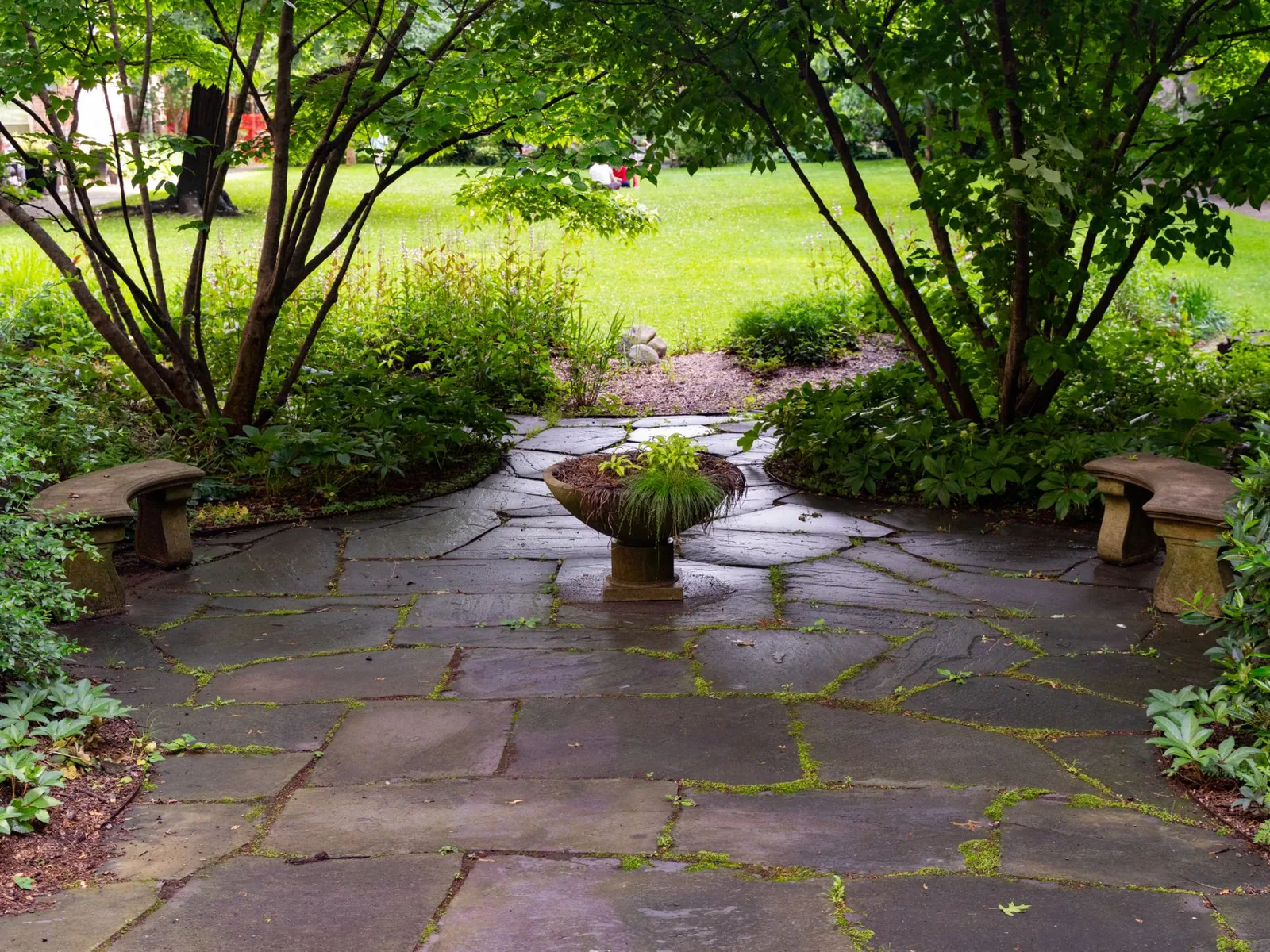
- Clay brick or natural stone pavers: $20 to $40 per square foot. Travertine and bluestone pavers look fantastic but add thousands on top of the base installation.
The labor is the difference. A concrete crew forms, pours, and finishes a slab in a day or two. A paver job means excavating, compacting a gravel base, laying a sand bed, setting every paver by hand, cutting the edges, and sweeping in polymeric sand. That labor is why pavers cost more up front.
Durability and How Each Surface Ages
Durability is where the paver patio vs concrete comparison flips in favor of pavers, especially if you live anywhere with freezing winters.
Concrete is a single, rigid slab. When the soil beneath it expands, contracts, or settles, the slab has to flex with it. Concrete is strong in compression but weak in tension, so movement causes cracks. Most poured patios develop hairline cracks within a few years and larger cracks within a decade. Control joints help direct the cracking, but the cracks still show.
Pavers are thousands of independent pieces. When the ground shifts, the individual pavers move with it instead of breaking. A properly installed paver patio can survive decades of freeze-thaw cycles without a single visible crack. If a paver does chip or crack, you pop it out and drop in a replacement — a 15-minute DIY fix that costs a few dollars.
This is the single strongest argument for pavers in the Upper Midwest, the Northeast, and anywhere in Canada where the ground heaves every spring. The experts at This Old House note that a properly compacted gravel base is what lets pavers flex without sinking — the base matters as much as the paver itself.
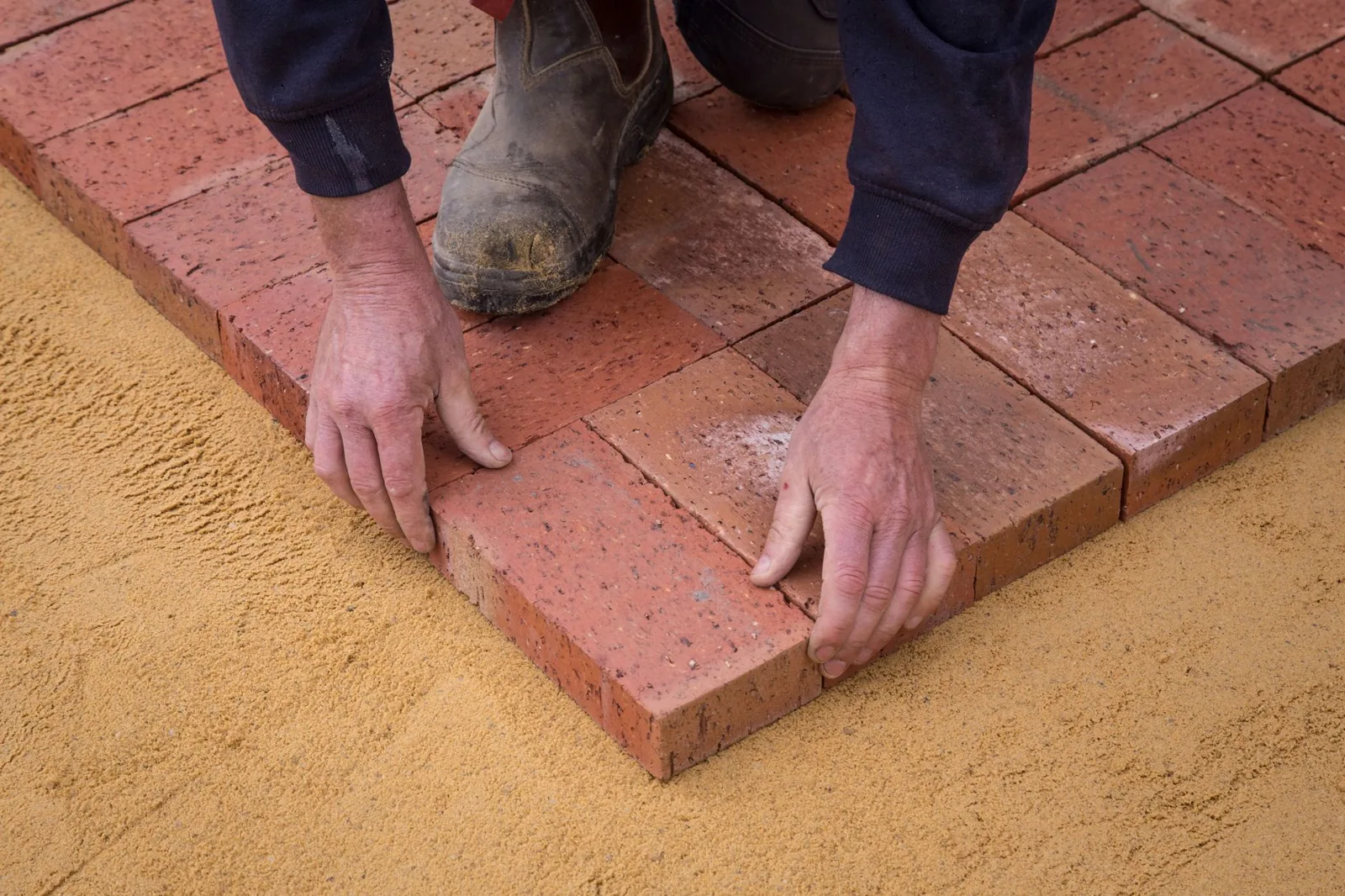
Photo by Littlehampton Bricks via Pexels
Freeze-Thaw and Drainage
- Concrete: Porous enough to absorb moisture. When trapped water freezes, it expands and spalls the surface, especially after years of de-icing salt.
- Pavers: Water drains through the joints between pavers rather than pooling on top. Permeable paver systems go further, letting water soak into the base and recharge groundwater instead of running off.
Maintenance: What Each Surface Demands
Both materials need upkeep, but the type of upkeep is very different.
Concrete maintenance is mostly reactive. You seal a new slab every three to five years to block stains from oil, rust, and tannins. When it cracks, patching is visible and often looks worse than the crack. Stains are tough to remove from light concrete without etching the surface. On the plus side, you never have to weed a concrete patio or re-sand joints.
Paver maintenance is proactive and modular. Weeds sprout in the joints, so you reapply polymeric sand every few years and pull stray growth as it appears. You can pressure-wash pavers without fear, and if a paver is permanently stained or damaged, you replace that one paver rather than the whole surface. The tradeoff is that pavers never stay perfectly level forever — heavy traffic areas can develop a slight dip over a decade, which a contractor can fix by re-lifting and re-leveling the affected area.
| Feature | Concrete Patio | Paver Patio |
|---|---|---|
| Installed cost (300 sq ft) | $2,400–$5,400 | $4,500–$9,000 |
| Lifespan | 20–30 years (with cracks) | 30–50+ years |
| Freeze-thaw resistance | Poor (cracks and spalls) | Excellent (flexes with soil) |
| Repairs | Hard; patches show | Easy; swap one paver |
| Weed prevention | None needed | Re-sand joints every few years |
| Design options | Stamped, stained, colored | Unlimited patterns and colors |
| DIY friendly | No | Moderately (labor intensive) |
Design and Curb Appeal
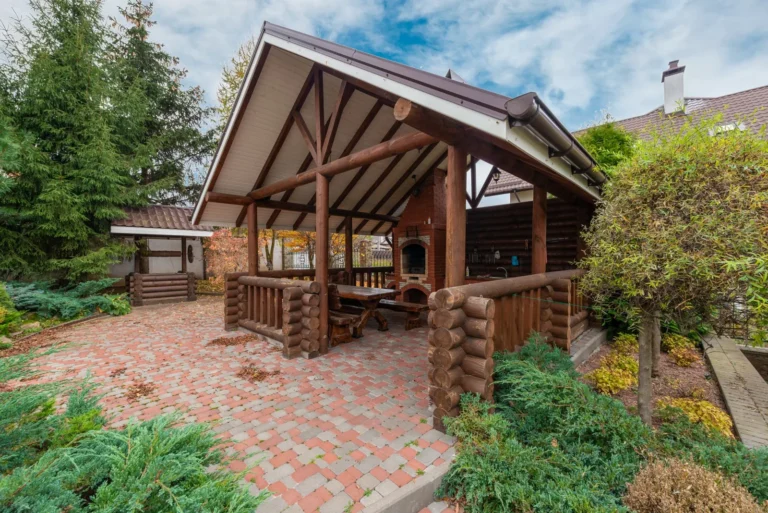
Pavers win on looks for most homeowners, simply because you can vary the color, shape, and laying pattern. A herringbone pattern in a blend of charcoal and buff pavers reads as a design choice; a gray slab reads as a utility surface. Brands like Belgard and Unilock sell dozens of shapes and finishes, from tumbled “old world” textures to sleek, contemporary rectangles.
That does not mean concrete is ugly. Stamped concrete can imitate stone or brick at about $15 to $18 per square foot, and an exposed-aggregate finish hides stains better than a smooth broom finish. The catch is that stamped concrete is still a single slab — when it cracks, the pattern cracks with it, and matching the texture on a patch is nearly impossible.
Resale Value
Both patios add value because outdoor living space is what buyers in the US, UK, Canada, and Australia consistently ask for. A well-kept paver patio generally adds more resale appeal than a cracked slab, but a fresh concrete patio beats a neglected paver patio with weeds in every joint. The material matters less than the condition. As Bob Vila’s team points out, buyers respond to a clean, level, usable outdoor room more than to any single surface material.
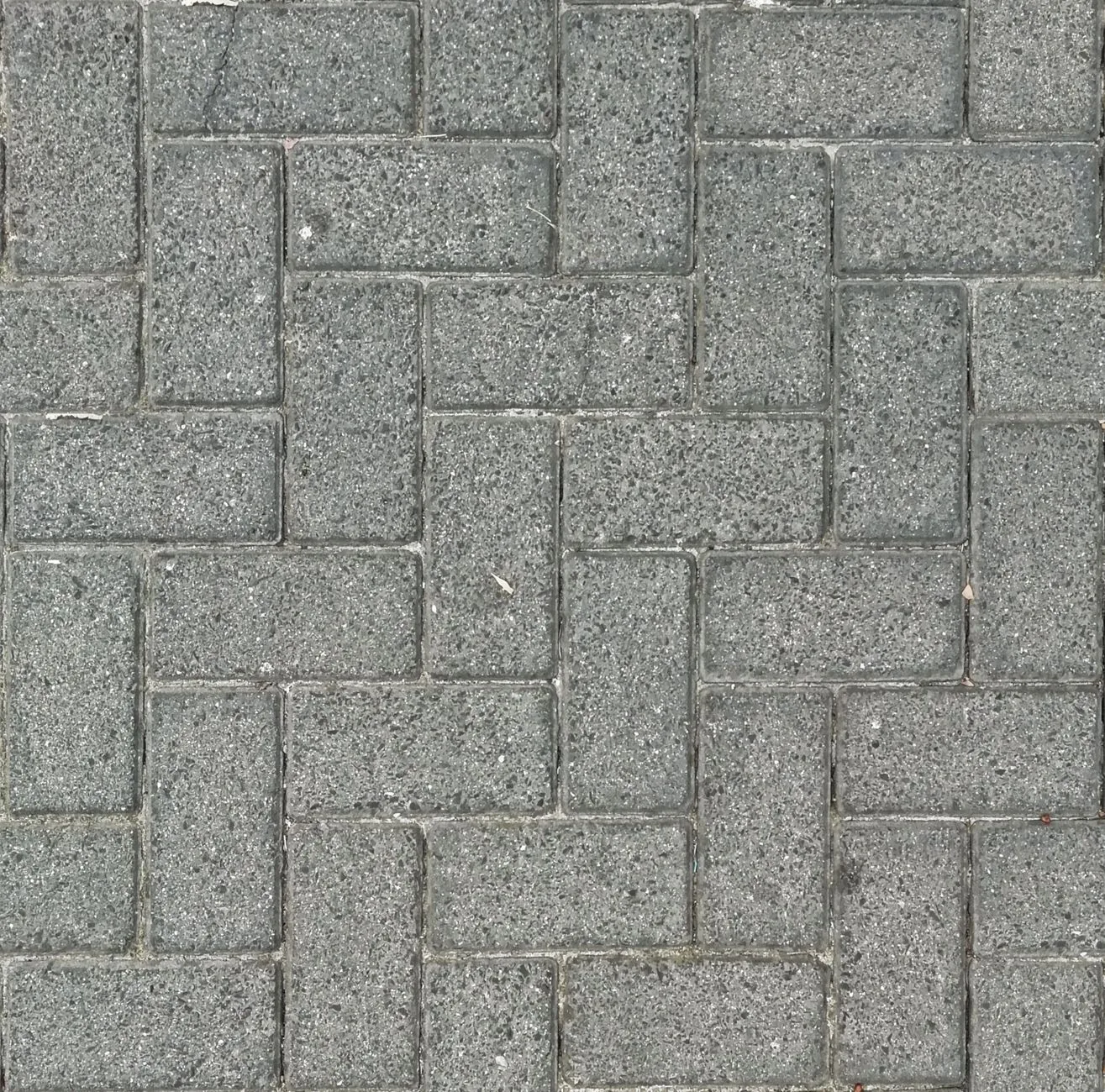
Photo by TXTR via Pexels
Installation Timeline and DIY Potential
- Concrete: Fast. A pro crew usually forms, pours, and finishes in one to two days. Curing takes about a week before you put furniture on it. DIY is not practical for most people — a 300-square-foot pour needs multiple helpers, a power trowel, and timing you cannot pause.
- Pavers: Slower. A typical pro install takes three to five days because of the excavation, base compaction, and hand-setting. DIY is possible if you own a plate compactor and are willing to move several tons of gravel and sand. It is the single most common DIY hardscape project, but the physical toll is real.
If you have never done hardscape work, a concrete contractor is the safer hire. If you want control over the timeline and budget and can rent the equipment, pavers are the more forgiving surface for a novice — mistakes are localized to a few pavers rather than a whole slab.
How to Choose Between Paver Patio vs Concrete
The right answer depends on your climate, budget, and plans.
Choose concrete if you live in a mild climate with little ground movement, want the lowest upfront cost, and prefer a flat, low-maintenance surface for a grill and a table.
Choose pavers if you live somewhere with real winters, care about long-term appearance, want to replace individual pieces instead of whole slabs, or plan to stay in the home long enough for the durability to pay off.
For many homeowners, the middle path works well: pour concrete for the walkways and driveway, and use pavers for the patio where you actually spend time and want the space to look designed. If you are also weighing a permanent roof over that patio, the surface choice matters less than the structure above it — see our covered patio ideas for how a roof changes the calculation.
Frequently Asked Questions
Which is cheaper, pavers or concrete?
Concrete is cheaper. A poured slab runs $8 to $18 per square foot installed, while pavers run $15 to $30. For a 300-square-foot patio, concrete typically saves you $2,000 to $4,000.
Do pavers last longer than concrete?
Yes. A paver patio can last 30 to 50 years or more because pavers flex with the soil instead of cracking, and you can replace individual pieces. A concrete slab usually lasts 20 to 30 years and cracks as the ground shifts.
Can you put pavers over an existing concrete patio?
You can lay pavers over a concrete slab as long as the slab is structurally sound and level, using it as the base. The tradeoff is roughly 2 to 3 inches of added height at door thresholds, and you lose the drainage benefits of a gravel base.
Is stamped concrete as good as pavers?
Stamped concrete looks similar for less money, but it is still a single slab. When it cracks, the stamped pattern cracks with it and the patch is difficult to match. Pavers cost more up front but are far easier to repair.
What adds more value to a home?
A well-maintained paver patio generally adds more resale appeal because it photographs better and ages with fewer repairs, but a clean, fresh concrete slab beats a neglected paver patio every time. Condition matters more than material.
The Bottom Line
In the paver patio vs concrete decision, there is no single right answer — only the right answer for your climate, your budget, and how long you plan to live there. Concrete is the budget-friendly choice that gets you a finished patio fast. Pavers cost more, but they survive freeze-thaw cycles with far less damage, are easy to repair piece by piece, and give you more design control.
If you plan to stay in the home for ten years or more and live where the ground freezes, the higher cost of pavers is money well spent. If you are selling soon or live in a mild climate, a properly installed concrete patio will serve you and the next owner just fine.
Once you have the surface decided, the next question is usually how much the surrounding structure will cost. Check our breakdown of deck vs patio cost if you are still deciding between a raised deck and a ground-level patio, and our outdoor kitchen cost guide if you plan to build seating and a built-in grill into the space. Getting the numbers right now means fewer surprises when the contractor hands you the estimate.