Pergola Ideas for Backyard Living: 12 Stylish Plans for Every Budget
A pergola is the fastest way to give a plain backyard a defined, finished look, and there are far more pergola ideas for backyard spaces than most homeowners assume. In roughly a weekend to two weeks and anywhere from $1,500 to $35,000, you can take an unused strip of grass and turn it into the room your house has been missing.
The right pergola does more than look good. It frames a seating or dining area, filters harsh afternoon sun, supports climbing plants, and gives you a structure to hang string lights, fans, and speakers from. It also tends to be cheaper and less restrictive than a fully enclosed sunroom or a solid-roof gazebo.
Which design works for your lot comes down to three things: how much shade you need, whether you want the pergola attached to the house or standing alone in the yard, and your budget. The ideas below cover all three.
Why Add a Pergola to Your Backyard?
A pergola creates a sense of place without walls. Because it is open on the sides and roof, it reads as a light architectural statement rather than a boxy addition, which is why it tends to suit almost any home style, from a craftsman bungalow to a stucco ranch.
The practical benefits are real, too:
- Shade that still lets light through. A louvered or slatted roof blocks the worst midday sun while letting late-afternoon light filter in.
- A support for plants and decor. Wisteria, climbing roses, grapevines, string lights, and hanging planters all need something to attach to.
- A cheaper alternative to a full outdoor room. A pergola costs a fraction of a screened porch or glass sunroom while still defining an outdoor dining or lounge zone.
- A boost to resale appeal. A well-built pergola often ranks among the outdoor features buyers notice first, alongside a deck or patio.
If you are debating between a pergola and a gazebo, the short version is that a gazebo has a closed roof and usually a floor, while a pergola stays open. The choice changes both price and how the space feels.
Pergola Ideas for Backyard Styles
The starting point for picking a pergola is matching it to the look of your house and the role you want it to play. Here are the styles that work across most US backyards.
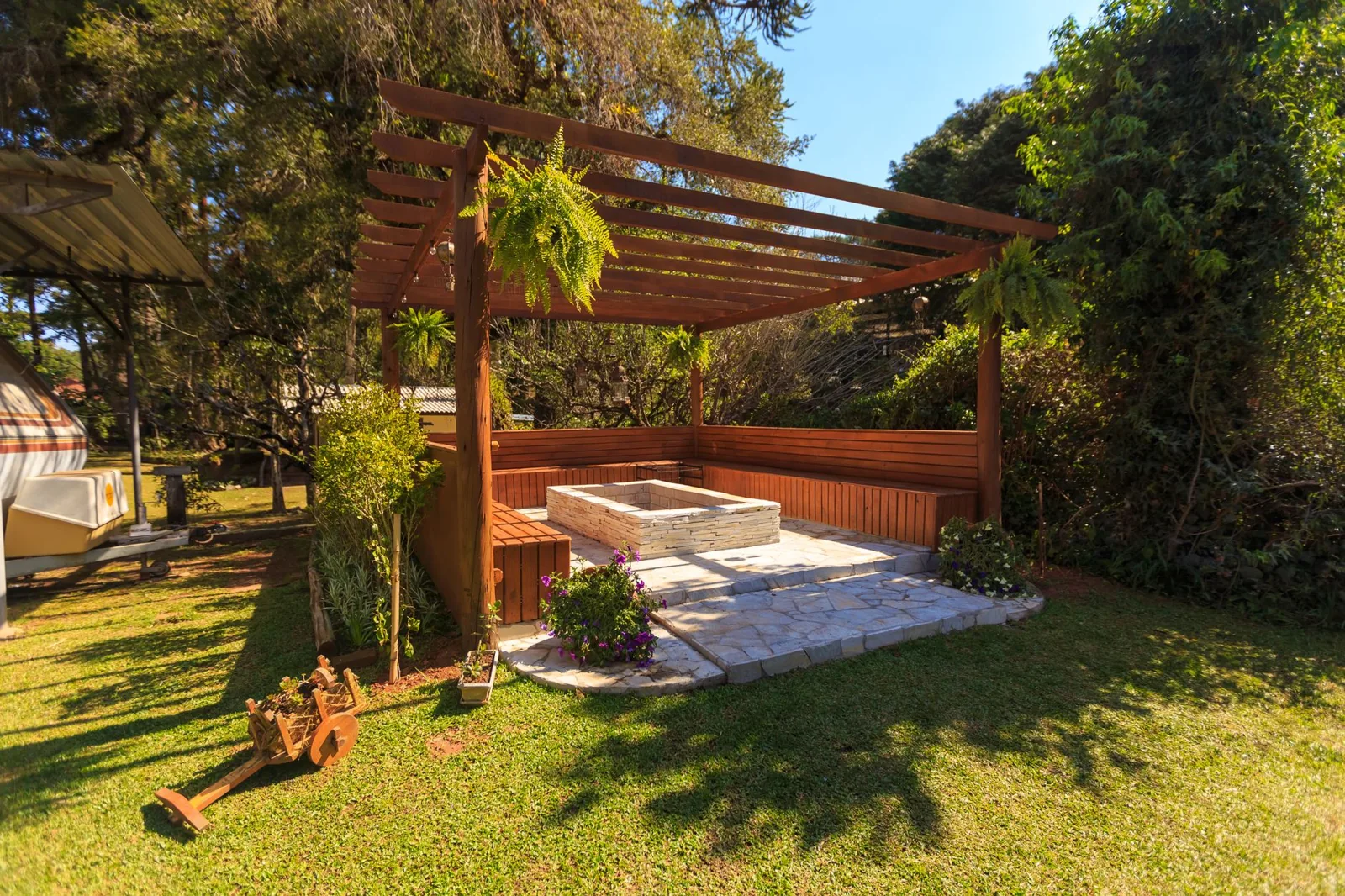
Photo by Matheus Bertelli via Pexels
Modern Slatted Pergola
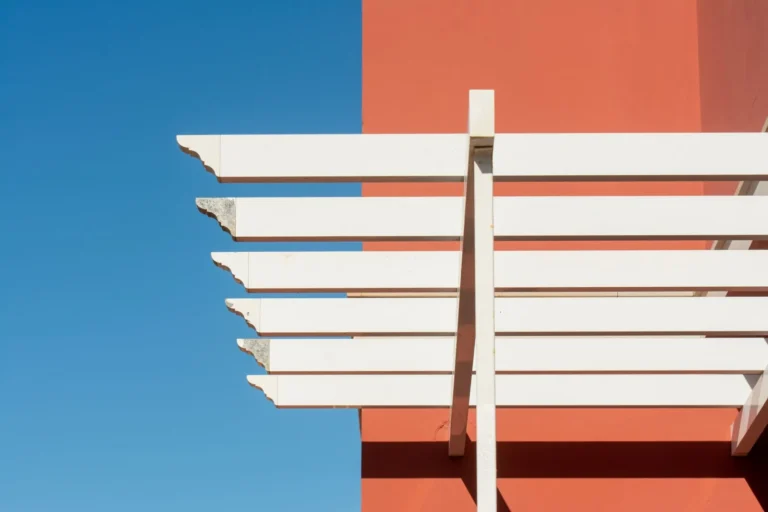
Clean lines, dark aluminum or cedar, and wide horizontal louvers define the modern look. Pair it with a rectangular fire pit, low-profile concrete pavers, and a neutral outdoor sofa for a sharp, magazine-style patio. Aluminum slatted panels are often adjustable, so you can angle them to chase or block the sun.
Mediterranean or Tuscan Pergola
White or cream stucco columns, a warm wood beam top, and climbing vines give this style its character. It works especially well against a tan stucco home or over a flagstone patio, with terracotta pots and bougainvillea at the base of each post.
Rustic Cedar Pergola
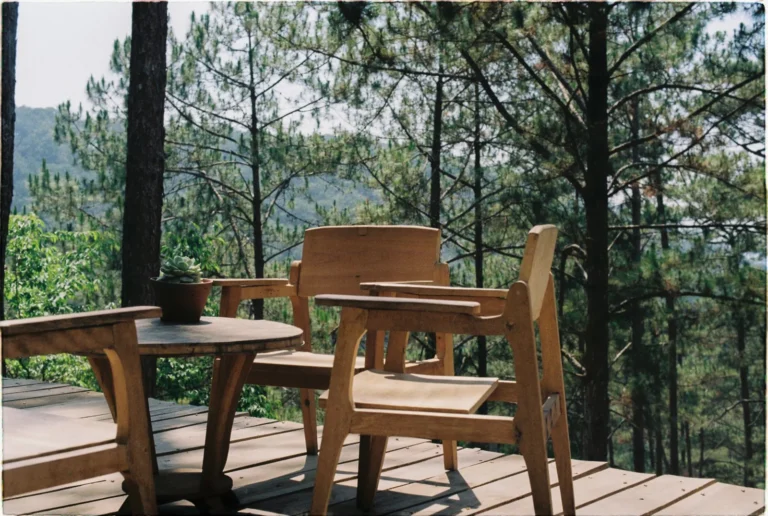
A chunky cedar or pine frame with natural wood grain and a soft stain fits farmhouse, cabin, and craftsman homes. Leave it natural and let it weather gray over a few seasons, or seal it yearly to hold the warm tone. This is one of the most forgiving styles for a DIY build.
Poolside Pergola
Over or beside a pool, a pergola gives swimmers a shaded spot to dry off without tracking water inside. Choose powder-coated aluminum, which resists chlorine splash better than wood, and anchor the posts properly so summer winds can’t wrench the frame loose.
Dining Pergola
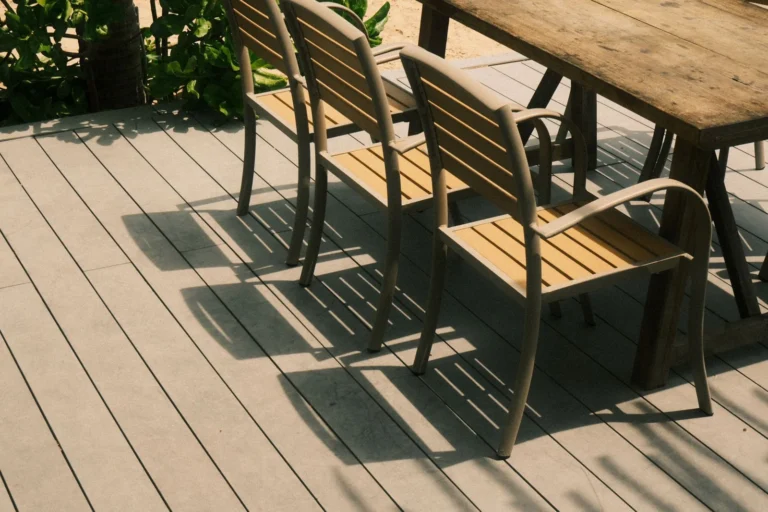
Built directly over an outdoor dining table, this is the most practical use of all. Size it so the roof extends at least 2 feet beyond the table on every side, which keeps a passing rain shower off your plates.
Popular Pergola Materials and Costs
Material choice drives most of the price difference between one pergola and another. Here is what you can expect to spend.
Wood (Cedar, Redwood, Pressure-Treated Pine)
Cedar and redwood resist rot and insects and are the classic choice, running about $5,000 to $15,000 for a custom-built, medium-size pergola. Pressure-treated pine cuts that roughly in half at $2,500 to $7,000, but it needs sealing every two to three years and can warp or check as it dries.
Vinyl
Vinyl kits look crisp and never need painting or staining, which is why they are popular in humid climates. A standard 10-by-12-foot vinyl pergola kit from brands like Yardistry or Backyard Discovery runs $1,500 to $4,000, with most homeowners installing it in a day or two.
Aluminum
Powder-coated aluminum is the lightest, lowest-maintenance option and the one that handles moisture and chlorine best. A fixed aluminum pergola costs $3,000 to $8,000; a motorized louvered model from StruXure or a similar brand jumps to $15,000 to $35,000 installed, since it includes a rain sensor, remote control, and often lighting.
Fiberglass
Fiberglass pergolas imitate wood grain closely while resisting rot, insects, and UV fading. Expect to pay $6,000 to $12,000 for a quality fiberglass frame, which is a strong middle ground between wood look and vinyl durability.
Attached vs. Freestanding Pergolas
One of the first decisions is whether the pergola bolts to the house or stands on its own four posts. Each has a clear set of trade-offs.
- Attached pergolas use the house wall as one side, so they cover a smaller footprint with fewer posts. They extend a covered patio feel directly off a back door, which makes them ideal for covered patio ideas that connect indoor and outdoor living. The catch is that attaching to the wall means flashing and a ledger board, which pushes up installation cost and makes this a job many homeowners hand to a pro.
- Freestanding pergolas can go anywhere, which is why they work over a pool, in a far corner of the yard, or as a garden focal point. They need four anchored posts instead of two to three, but they don’t touch the house, so there’s no risk of leaking at the wall junction.
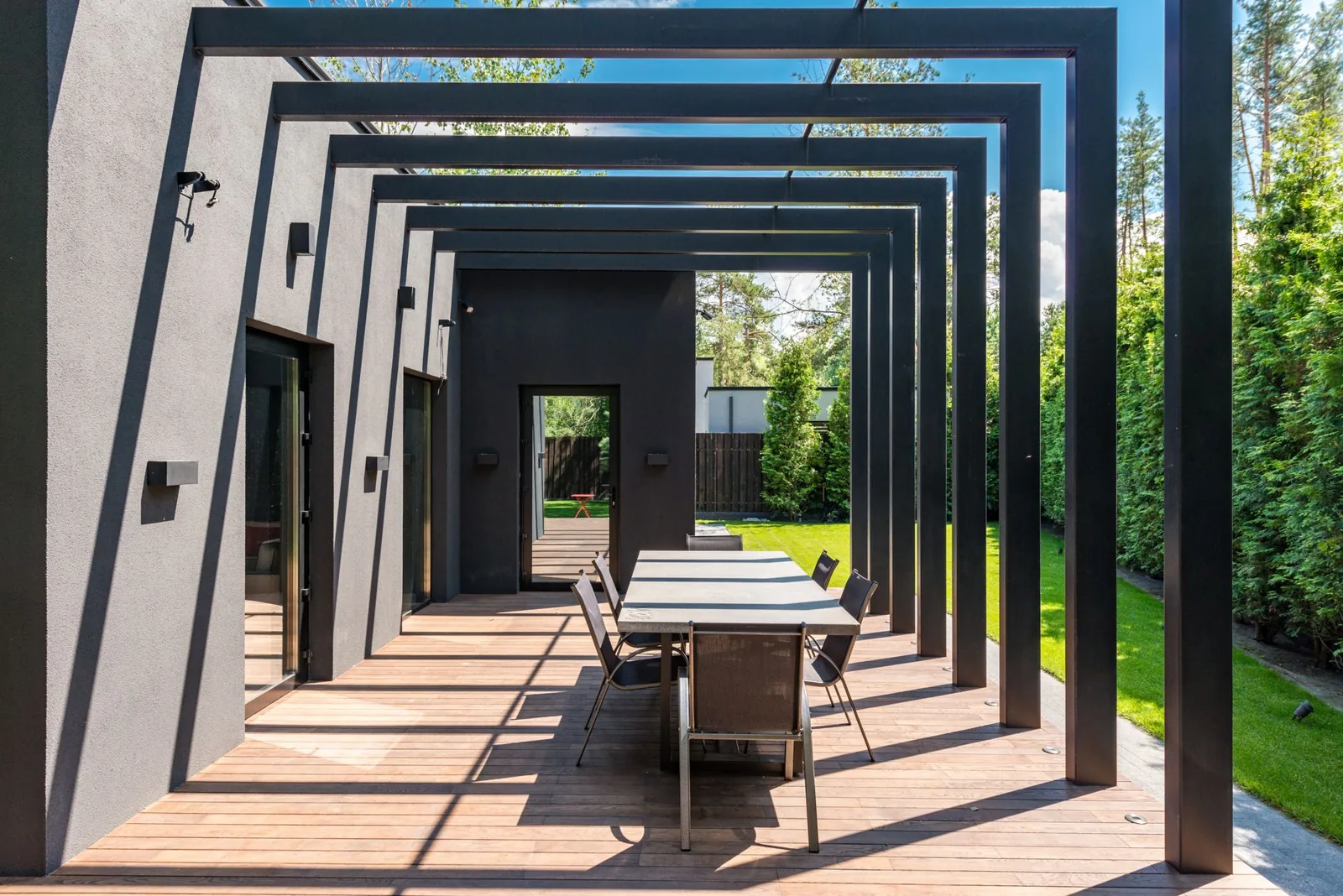
Photo by Max Vakhtbovych via Pexels
If the space you want to cover already sits on concrete, also weigh how the floor choice affects the total project. A pergola over a new concrete slab costs more than one set over an existing deck, and the numbers vary by region — see the current figures for a deck vs. patio cost comparison before you pour anything.
Pergola Roof Options
The roof is where a pergola’s shade performance is decided, and it is the single most customizable part of the design.
- Open slats. The traditional look. Beam spacing controls the shade ratio — tighter spacing means more shade and less light.
- Adjustable louvers. Rotating aluminum or wood slats let you go from full shade to open sky in seconds. Manual versions cost less; motorized models with rain sensors are the premium pick.
- Retractable canopy. A fabric or canvas panel on a track slides closed to block sun and light rain, or rolls back to open the sky. Replacement canopies are inexpensive and easy to swap.
- Polycarbonate panels. A translucent, UV-blocking panel roof gives near-full rain protection while still letting daylight through. It turns a pergola into something closer to a covered patio without a full roof.
What a Pergola Really Costs
Every pergola budget has three moving parts: materials, labor, and site prep. Here is how they break down for a typical 10-by-12-foot project.
| Feature | DIY Vinyl Kit | Custom Cedar | Motorized Aluminum Louver |
|---|---|---|---|
| Typical total cost | $1,500–$4,000 | $6,000–$15,000 | $15,000–$35,000 |
| Labor | $0–$500 (assemble yourself) | $3,000–$8,000 | Included in install |
| Durability | 20+ years, no maintenance | 15–25 years if sealed | 25+ years, low maintenance |
| Shade control | Fixed | Fixed | Fully adjustable |
| Best for | Budget shade, open lawns | Custom look, attached builds | All-weather entertaining |
Site prep is the hidden line item. If the pergola sits on bare grass, you will need to remove sod, add a gravel base, or pour footings and a slab, which adds anywhere from $500 to $2,500 depending on whether you pour concrete. If it goes over an existing deck or patio, that cost disappears.
Frequently Asked Questions
How much does a pergola cost for a backyard?
Most homeowners spend $3,000 to $8,000 on a typical pergola. A DIY vinyl or aluminum kit can run as little as $1,500, while custom cedar or redwood builds land between $5,000 and $15,000, and motorized louvered aluminum models reach $35,000 or more.
Does a pergola add value to a home?
It generally adds curb appeal and usable living space, which most appraisers treat as a modest plus, but it rarely returns dollar-for-dollar. The stronger payoff is lifestyle: a finished pergola means more months of the year spent outside.
Do I need a permit to build a pergola?
In many municipalities, a freestanding pergola under a certain size — often 10 by 12 feet or smaller — needs no permit, but attached pergolas and anything on footings usually do. Check with your local building department before you buy materials, not after.
Can I build a pergola myself?
Yes, especially a vinyl or aluminum kit with pre-cut parts and step-by-step instructions. A capable DIYer can assemble one in one to two days with a second pair of hands. Custom wood framing, footings, and wall attachment are better left to a contractor.
What is the best material for a pergola?
For most homeowners, powder-coated aluminum offers the best balance of durability and low upkeep. If you want a natural wood look and are willing to stain it, cedar is the classic pick; vinyl suits the strictest budgets.
For a detailed build and finish comparison, see Family Handyman’s step-by-step pergola guide.
The Bottom Line
There is a pergola idea for every backyard, whether you want a $2,000 open-slat vinyl kit over a sunny lawn or a $30,000 motorized louvered roof that opens and closes with a remote. Match the material to your climate, the style to your house, and the size to the space you actually use.
Before you commit, confirm the ground it will stand on is ready, and decide whether an attached or freestanding design fits your lot. A pergola is one of the few backyard projects that delivers shade, structure, and resale appeal in a single weekend — and it does it without the cost or permanence of a full enclosed room.