Bow Window vs Bay Window: Which Projecting Window Is Right for Your Home?
Bow window vs bay window: it’s one of the first decisions homeowners face when they want to add a projecting window that floods a room with light and a little extra floor space. Both extend past the exterior wall, and both turn a flat, forgettable wall into the focal point of a room. But they are not the same thing, and picking the wrong one can cost you thousands of dollars you won’t get back in comfort or resale value.
The short version is easy to grasp: a bay window is angular, with a big fixed picture window in the middle, while a bow window is a wide, gentle curve made of several smaller panels that mostly open. From there, the differences in cost, ventilation, energy performance, and the kind of interior space each one creates are what should drive your decision.
Here’s a practical breakdown of what each window actually is, what it costs, and which one earns its place in your home.
What Is a Bay Window?
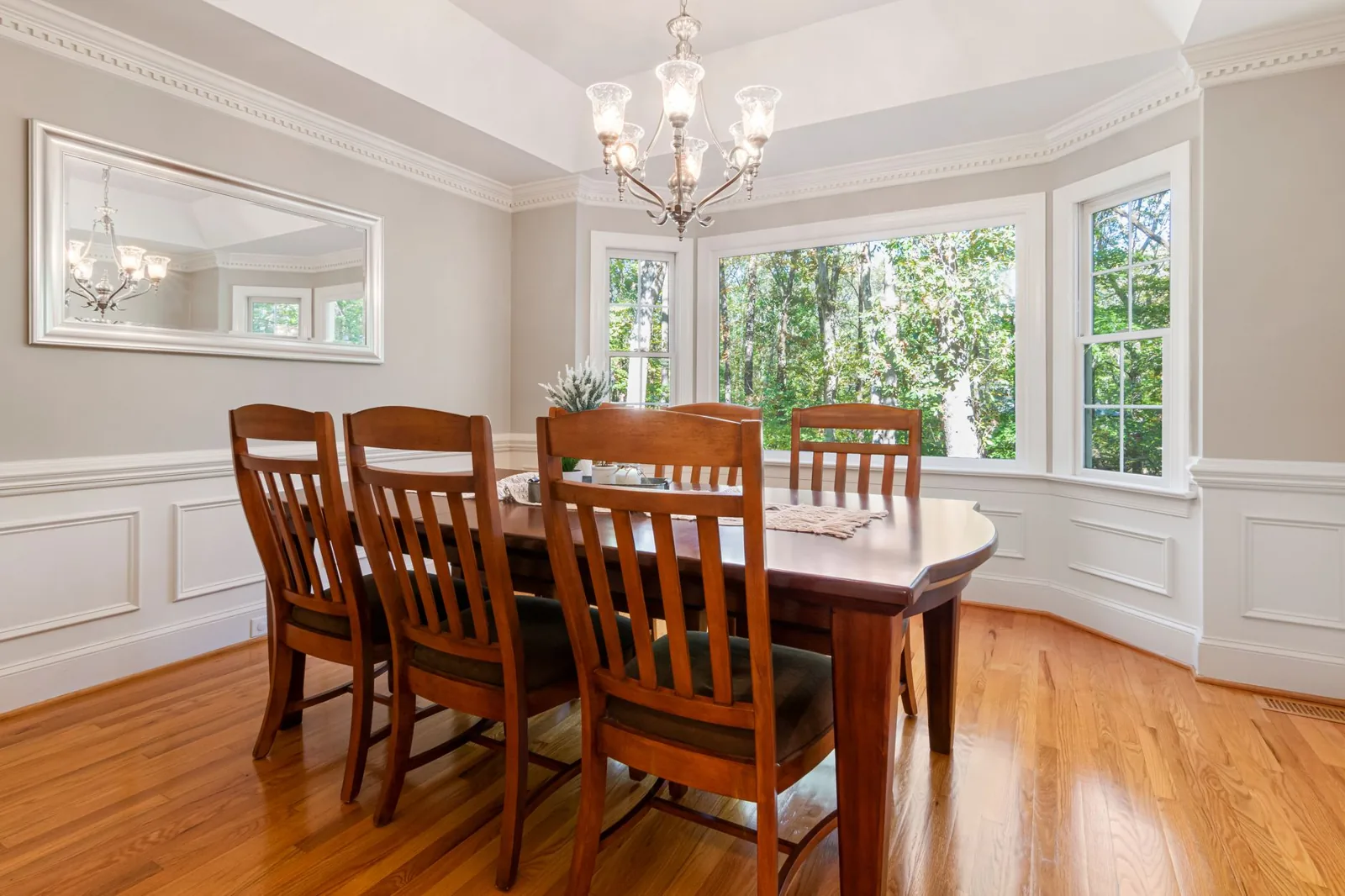
A bay window is a three-panel unit that angles outward from the house. The center panel is almost always a large fixed picture window — pure glass with no opening mechanism — while the two side panels, called flankers, are set back toward the wall at 30- or 45-degree angles. Those flankers are usually operable, most often double-hung or casement windows, so the unit can still bring in fresh air.
Because a bay projects in a sharper, more angular profile, it creates a useful ledge or alcove on the interior. Homeowners routinely build a window seat, a reading nook, or a bench with storage underneath into that space. Depending on how far the unit juts out, a bay can add roughly one to three feet of usable depth along the wall, which is why bays show up so often over kitchen sinks, in breakfast nooks, and in front living rooms.
Most stock bay units run about 3 to 6 feet wide at the glass and project 12 to 24 inches beyond the wall, though custom units go much larger. Major brands such as Andersen, Pella, Marvin, and Milgard all sell pre-assembled bay units, which keeps installation simpler — and cheaper — than framing one from scratch.
What Is a Bow Window?
A bow window is a softer curve. Instead of three panels, a bow is made of four, five, or six equal-width panels arranged in a gentle arc — four or five is the most common configuration. The panels are narrower than a bay’s, and they’re joined at small angles, typically 10 to 15 degrees, to create that rounded, almost semicircular profile.
The practical difference is that a bow’s panels are far more likely to open. Many bows are built entirely from casement windows, so nearly every section can be cranked open for cross-ventilation. Because the curve is shallow and wide, a bow projects less from the wall than a bay of comparable width — usually 12 to 18 inches — and it spreads across a wider stretch of wall, which makes it a better fit for large rooms with a long exterior wall to fill.
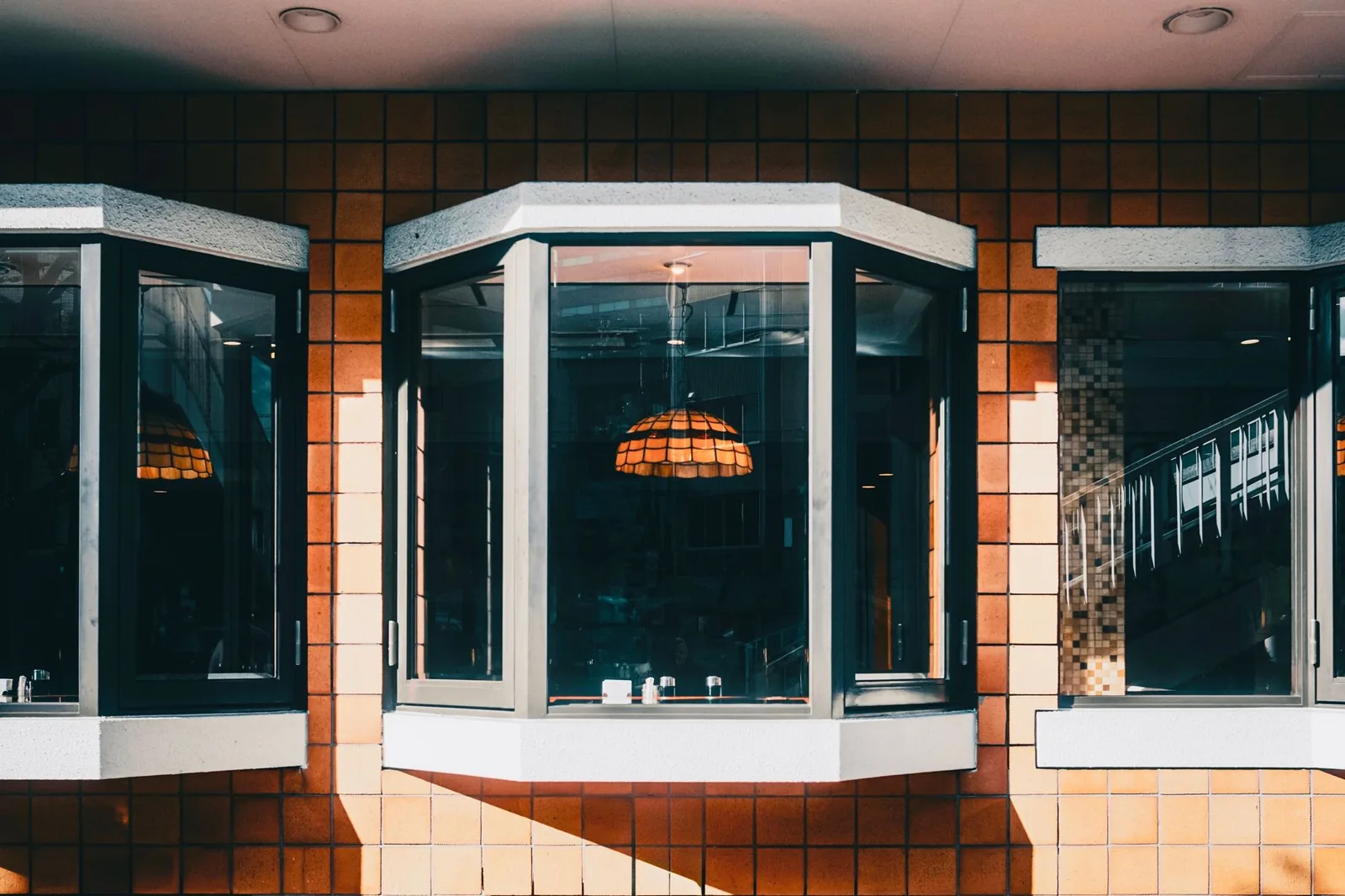
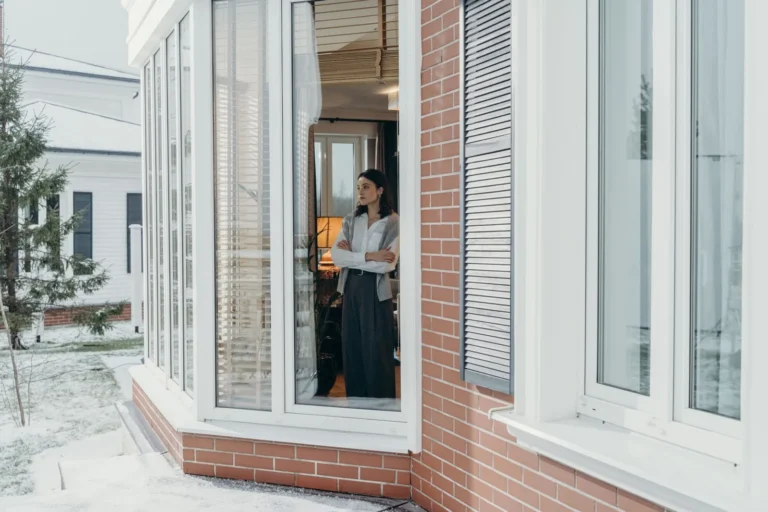
Photo by Kuan-yu Huang via Pexels
Bow Window vs Bay Window: Key Differences
Here’s the comparison at a glance: a bay window is angled and dramatic, centered on one big fixed pane, while a bow window is curved and broad, built from several smaller panels that open. The decision usually comes down to how much you value ventilation, a usable interior ledge, and an angular versus rounded look.
| Feature | Bay Window | Bow Window |
|---|---|---|
| Number of panels | 3 (center picture + 2 angled flankers) | 4–6 equal-width panels |
| Shape | Angular, 30–45° corners | Gentle arc, 10–15° joints |
| Projection from wall | 12–24 in., often deeper | 12–18 in., usually shallower |
| Operable panels | Side flankers only | Most or all panels |
| Light and views | One wide center view | More glass, wider panoramic view |
| Interior use | Deeper ledge for a seat or alcove | Shallower shelf, less added floor |
| Typical installed cost | $1,800–$3,600 | $2,000–$4,800+ |
The shape difference matters more than it first appears. A bay’s deep, angular projection is what makes that interior window seat possible — the geometry naturally forms a box you can sit in. A bow’s shallower curve doesn’t leave you much of a ledge, so you gain light and views but not really a place to sit without adding a separate bench in front of it.
Ventilation tips the other way. With a bay, only the two side flankers open; the big picture window in the middle is sealed. With a bow, four or five casement panels can all open, giving you airflow across a much wider area. If fresh air is a priority — say, in a bedroom or a warm climate without central air — the bow is the stronger choice.
What Do Bay and Bow Windows Cost?
Expect to pay $1,800 to $3,600 for a professionally installed bay window, with most homeowners landing around $2,500 for a mid-range vinyl unit. The window itself usually costs $800 to $2,000, and labor, siding repair, and structural support make up the rest.
A bow window runs higher: $2,000 to $4,800 installed, and large five- or six-panel units in wood or premium fiberglass can push past $5,500. The extra cost is simple — more panels mean more glass, more frames, and more labor to assemble and hang the wider unit. Wood bows and name-brand casement panels (Andersen, Pella, Marvin) sit at the top of that range, while vinyl four-panel bows sit at the bottom.
Both windows need structural support, because a unit that hangs out past the wall is essentially a cantilever. Installers add support brackets, cables, or knee braces tied back into the framing, and a second-story installation usually needs more labor and a roof or support structure below. These add-ons are part of why the installed price is so much higher than the price of the window sitting on the shelf.
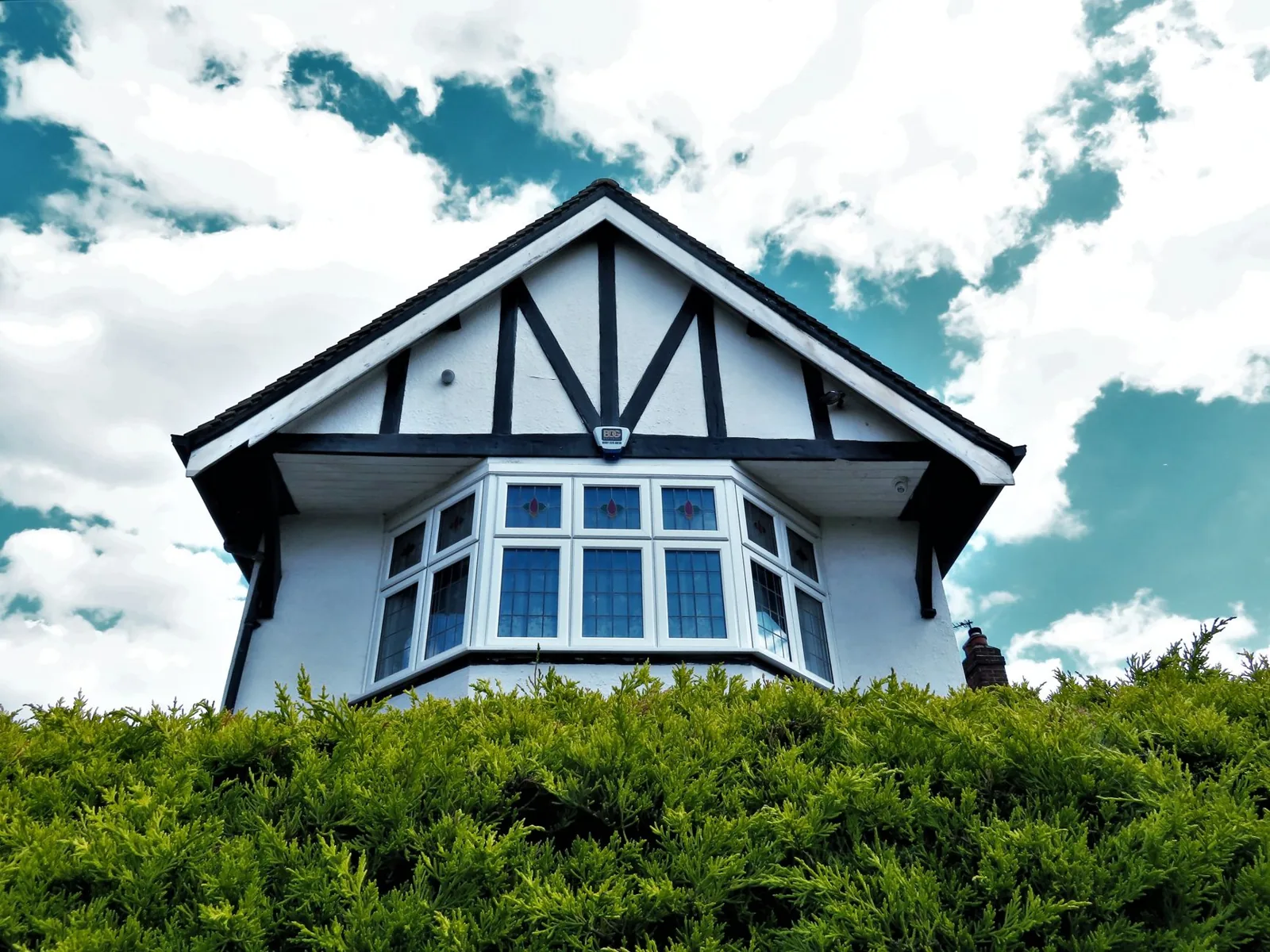
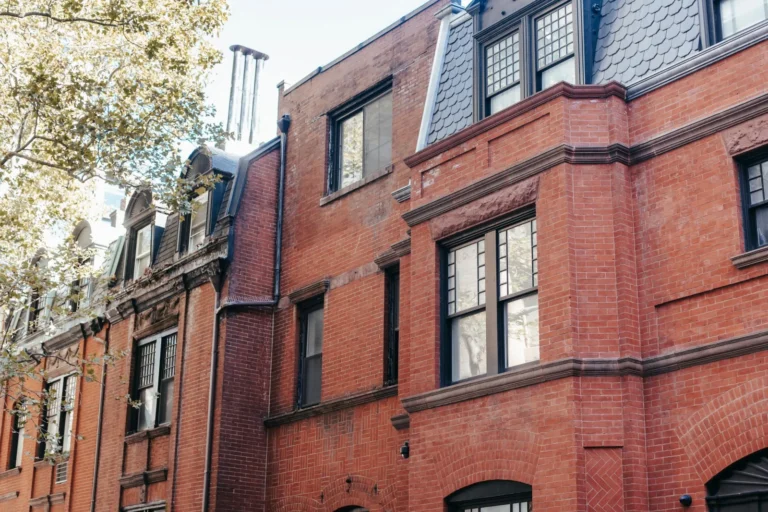
Photo by SevenStorm JUHASZIMRUS via Pexels
Energy Efficiency and Insulation
Any window that pushes past the wall is going to move more heat than a flat one, because there’s simply more glass surface exposed to the weather. The projection also has a floor and an underside “roof” that the outside air wraps around — and that underside is often the weakest spot in the whole assembly.
Look for units with ENERGY STAR certification, low-E glass coatings, and argon or krypton gas between the panes. For a bay window, the big fixed picture window actually performs well, since a sealed pane has no moving parts and few places to leak; the operable flankers are where drafts creep in. For a bow, the picture is reversed — every panel is a potential air-leak point, but each panel is small, and modern casement windows seal tightly when closed, which largely offsets the extra seams.
The part most people overlook is the space under the projection. If that cantilevered floor and skirt aren’t insulated, cold air can funnel underneath the window and make the whole alcove feel drafty in winter. A good installer will pack the underside with spray foam or rigid board insulation. Whichever style you choose, pairing it with an energy-rated glass package is the single biggest lever on your heating and cooling bills — see our guide to the best windows for energy efficiency for the specs that matter.
Which Window Fits Your Home?
Choose a bay window if you want a window seat or a usable alcove, a single big unobstructed view, or a lower price on a smaller stretch of wall. Bays fit naturally into traditional, colonial, and farmhouse exteriors, and they’re the classic choice over a kitchen sink or in a breakfast nook.
Choose a bow window if you want maximum ventilation, a wide panoramic view, or a rounded architectural statement on a long wall. Bows suit Victorian, Tudor, and contemporary homes especially well, and they’re a favorite for large living rooms and dining rooms where a single picture window would feel too small.
Think about the wall you’re working with, too. A bay needs enough depth and framing for that sharper projection, while a bow needs width — at least six to eight feet — to show its curve properly. If you’re also deciding which window style to use for the operable panels, our double-hung vs. casement windows comparison walks through the trade-offs. And before you commit to either, get a realistic sense of the full project price with our breakdown of window replacement costs.
Frequently Asked Questions
Is a bow window more expensive than a bay window?
Yes, almost always. A bow has more panels, more glass, and more assembly labor, so it typically costs $2,000 to $4,800 installed versus $1,800 to $3,600 for a bay. The gap widens on large units and on wood or fiberglass construction.
Can you sit in a bow window?
Not really without extra work. A bow’s shallow curve doesn’t create the deep ledge a bay does, so there’s no natural seat. You can build a bench or add a deep sill in front of it, but the window itself won’t give you the built-in window-seat alcove a bay provides.
Which is better for a kitchen — a bay or a bow window?
A bay window is the traditional kitchen choice. Its deeper projection over the sink makes a natural shelf for plants or dishes and can even become a breakfast ledge. A bow works if you have a long kitchen wall and want more openable panels for ventilation, but it won’t give you that same usable ledge.
Do bay windows add value to a home?
They usually add curb appeal and perceived value, but they rarely pay for themselves dollar-for-dollar at resale. The National Association of Realtors and home-improvement cost reports consistently rank window projects as moderate-return upgrades — you’ll enjoy the light and the look far more than you’ll recoup at closing.
Can you install a bay or bow window on a second story?
Yes, but it costs more and needs proper support. A second-story projection must be carried by brackets, cables, or a roof structure below it, which adds labor and materials. Check local building codes and your home’s framing before committing, since the cantilevered load has to be engineered correctly.
The Bottom Line
The bow window vs bay window decision really comes down to three questions: Do you want a place to sit, do you want a wide-open curve of glass, and how much do you want to spend? A bay window gives you the deepest projection and a built-in alcove at a lower price, while a bow window trades that ledge for more glass, more ventilation, and a softer, wider look at a higher cost.
Neither is a budget project, and both live or die on the quality of the installation — the structural support and the insulation under the projection matter as much as the glass itself. Get quotes from at least three installers, insist on ENERGY STAR-rated units, and make sure the underside of the projection is insulated. Do that, and whichever shape you choose will brighten your home for decades.
Ready to plan the rest of the entryway project? Compare what you’ll spend alongside your front door replacement cost, or explore how the frame material affects price and durability in our vinyl vs. wood windows guide.