Double Hung vs Casement Windows: Which Is Right for Your Home?
The double hung vs casement windows question comes up on almost every window replacement job, and for good reason. Both are solid, widely available styles that fit the same rough openings, yet they open, seal, and age differently. The choice affects how much you pay at install, how tight your home stays every winter, and how easily you can push fresh air through a room in July.
Before you sign a quote, it helps to know exactly what separates the two. One slides, the other swings. One is a little cheaper to buy, the other usually seals tighter and costs less to heat over time. Neither is universally “better” — the right pick depends on your house style, your climate, and which rooms you are replacing windows in.
Double Hung vs Casement Windows: The Short Answer
A double-hung window has two sashes that slide vertically inside a single frame, and both the top and bottom sash can move. A casement window has one sash hinged on the side that swings outward like a small door, opened with a crank or a push-out handle.
If you want the quickest rule of thumb: double-hung windows tend to cost slightly less and suit traditional homes, while casement windows seal tighter, ventilate better, and are often the smarter choice for kitchens, bathrooms, and any room where you want maximum airflow or a clear, unobstructed view. Most homes end up using a mix of both rather than one style everywhere.
What Is a Double-Hung Window?
A double-hung window is the classic American window. Two sashes — an upper and a lower — stack on top of each other and slide up and down on tracks. On modern units, both sashes tilt inward for easy cleaning, which solves the biggest complaint people had about older single-hung and fixed-sash designs.
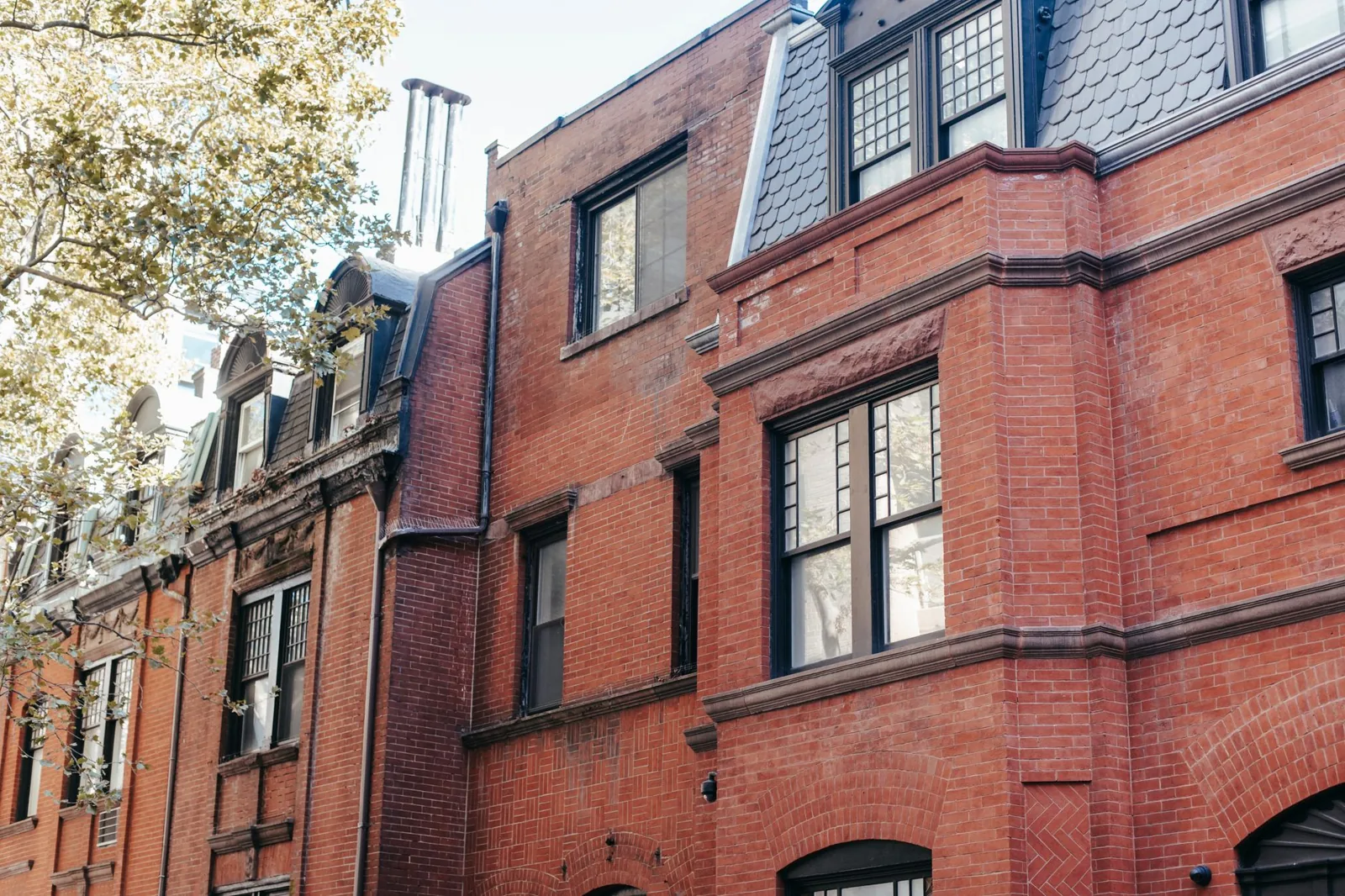
This is the style you see on colonials, Victorians, Cape Cods, and most two-story brick homes. The proportions read as traditional, and because the sash only moves within the plane of the wall, it never swings into a walkway, a porch, or a deck. That makes double-hung a natural fit for windows that open onto high-traffic areas.
The trade-off is airflow. Because the two sashes share one frame, a fully opened double-hung window only reveals about half of its total opening at any one time — one sash sits in front of the other. It also relies on sliding weatherstripping rather than a compression seal, which we will get into below.
Photo by Jan van der Wolf via Pexels
What Is a Casement Window?
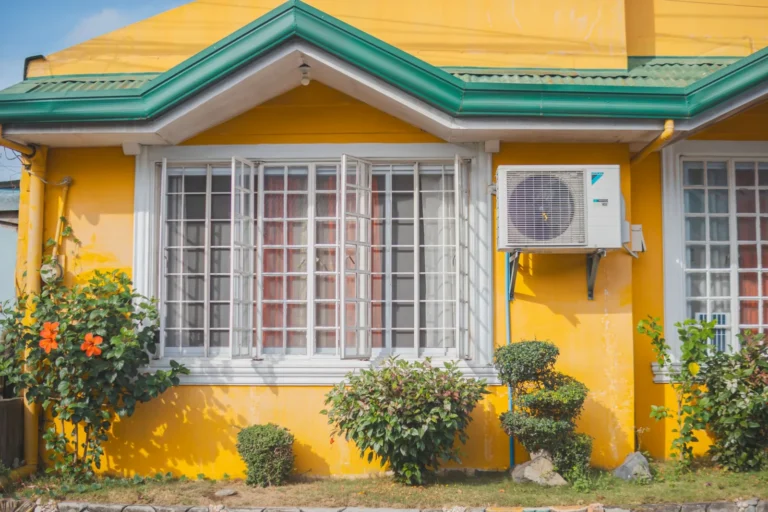
A casement window is hinged on one side and swings open outward, typically using a crank mechanism mounted near the sill. When closed, the sash pulls tight against the frame, compressing the weatherstripping all the way around — which is why casement windows routinely test as the most airtight of the operable styles.
Because there is no center rail and no second sash, a casement window lets in a completely clear, full-size view and can open wide enough to capture a cross-breeze. In many building codes, casements are also the style of choice for egress windows in bedrooms and finished basements, since the full opening can be sized to meet emergency-exit requirements.
The main limitations are practical: the sash swings outward, so it cannot open over a walkway or a tight deck, and the crank hardware is a wearable part that can eventually strip or snap if it is forced.
Double Hung vs Casement Windows: Cost and Value
Cost is usually the first question, and the honest answer is that the two styles are close — casement windows typically run about 10 to 20 percent more than comparable double-hung units, mostly because of the crank hardware and the compression-seal frame.
As a ballpark, expect these installed price ranges for a standard 3-by-5-foot window, depending on material (vinyl being the least expensive, wood and fiberglass the most):
| Feature | Double-Hung Windows | Casement Windows |
|---|---|---|
| How it opens | Two sashes slide up and down | One sash swings outward on side hinges |
| Typical installed cost | $300–$1,000 per window | $350–$1,200 per window |
| Airtightness | Good (sliding weatherstripping) | Better (compression seal) |
| Usable opening | About 50% of the frame | Nearly the full frame |
| Cleaning from inside | Easy (tilt-in sashes) | Moderate (reach around the sash) |
| Best for | Traditional homes, walkways, porches | Kitchens, baths, egress, windy lots |
Those numbers are for the window itself plus standard installation. Lead-safe labor, custom sizing, or upgrading from vinyl to fiberglass or wood can push the bill higher, and the total for a whole house climbs fast — which is why it is worth reading up on the full window replacement cost picture before committing to a brand.
Whichever style you choose, do not let the sticker price be the whole story. A window that seals poorly can quietly add more to your heating and cooling bills over 15 or 20 years than the difference in upfront cost.
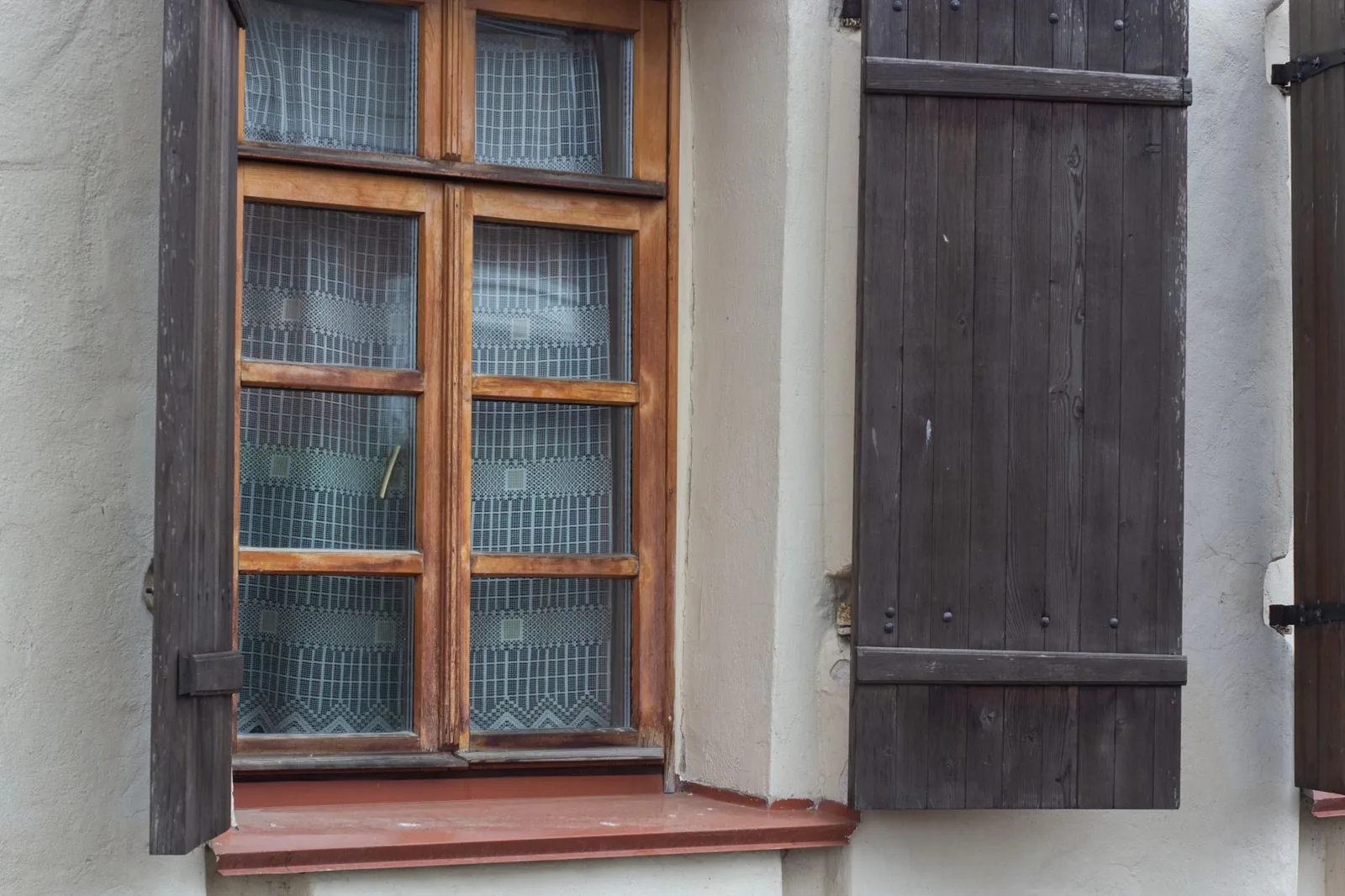
Photo by Plato Terentev via Pexels
Energy Efficiency and Airtightness
If your priority is keeping conditioned air inside, the casement window has a measurable edge. When a casement closes, the sash presses firmly into the frame on all four sides, so air leaks only through whatever gaps remain around the seal. Double-hung windows, by contrast, have to leave room for the sash to slide, and that track is the weak point — old or worn double-hungs are a common source of winter drafts.
The numbers bear this out. Research led by the U.S. Department of Energy consistently ranks casement windows among the best performers for air leakage, while double-hung and sliding units tend to test looser. If you live in a cold or windy climate, that difference can be worth real money year after year.
Whatever style you pick, look for a low U-factor (less heat loss) on the glass package and at least double-pane construction with a low-E coating. For a deeper look at how to read those ratings, see our guide to the best windows for energy efficiency.
Ventilation, Views, and Everyday Use
When it comes to moving air, the two styles behave very differently. An open casement acts like a small sail: the sash can be angled to funnel a breeze into the room, and because nearly the entire opening is clear, a pair of casements on opposite walls moves a surprising amount of air through a house.
A double-hung window can also create airflow — the classic trick is opening both the top and bottom sash so warm air exits high and cooler air enters low — but the total open area is capped at about half the frame. That is a real limitation in stuffy kitchens, upstairs bedrooms, or any room that bakes in the afternoon sun.
On views, casements win again for most people: no horizontal rail across the middle, so the glass reads as one clean picture. Double-hung windows offer the more traditional divided-light look, which is exactly what some older homes call for.
For day-to-day use, double-hung windows are hard to beat for one simple reason — there is nothing to crank. You lift a sash, and it stays where you put it. Casement cranks are easy to operate for most, but they sit a little lower on the frame, and reaching over a kitchen counter to work one can be awkward.
Cleaning, Maintenance, and Safety
Both styles have gotten much easier to live with over the last two decades. Nearly all modern double-hung windows use tilt-in sashes, so you can wash both sides of the glass from inside the house — a big deal for second-story windows you would otherwise have to reach from a ladder.
Casement windows are also cleanable from indoors, but it takes a bit more reach: you open the sash fully and clean the inside face, then reach around the open pane to get the outside face. It is manageable, just less convenient than a tilt-in double-hung.
Maintenance favors double-hung in one respect — the mechanism is simpler, and there is no crank to strip. Casement hardware and the operator arm can wear out over time, though quality units from makers like Andersen, Pella, Marvin, and JELD-WEN hold up well if you lubricate the hinges and are gentle with the crank.
One more consideration is safety and egress. Because a casement opens to nearly its full size, it is frequently the go-to for basement and bedroom egress windows where code requires a specific clear opening. A double-hung can meet egress codes too, but it may need a larger frame to hit the required open area.
Frequently Asked Questions
Are double-hung windows more expensive than casement windows?
Generally the opposite. Double-hung windows usually cost 10 to 20 percent less than casements of the same size and material, because casement crank hardware and the compression-seal frame add to the price. Exact figures depend on brand, size, and material.
Which window type is more energy efficient?
Casement windows typically seal tighter than double-hung windows, so they often test better for air leakage and can lower heating and cooling costs, especially in cold or windy climates.
Can casement windows be used as bedroom egress windows?
Yes. Casement windows are a common choice for egress because they open nearly their full width. Just confirm with your installer that the opening meets your local building code’s minimum clear dimensions.
Are double-hung windows easy to clean?
Yes. Most modern double-hung windows have tilt-in sashes, which let you clean both sides of the glass from inside your home with no ladder and no special tools.
Which style looks better on a traditional home?
That is subjective, but double-hung windows generally complement colonial, Victorian, and Cape Cod homes, while casement windows suit modern, cottage, and coastal styles. Many homes blend both.
The Bottom Line
There is no single winner in the double hung vs casement windows debate — there is a right window for each room. Choose double-hung when you want a classic look, a simpler mechanism, easy cleaning, and a slightly lower price, especially for windows that open onto walkways, porches, or decks. Choose casement when you want the tightest seal, the most airflow, an unobstructed view, or a window that meets egress requirements in a bedroom or basement.
A practical approach is to put casements where ventilation and egress matter — kitchens, bathrooms, basements, and bedrooms — and double-hungs everywhere you want that traditional appearance. Budget the difference, check the energy ratings on whatever you compare, and hire an installer who will get the flashing and air-sealing right, because even the best window leaks if it is poorly installed.