Metal Roof vs Shingles Cost: What Homeowners Actually Pay in 2025
The metal roof vs shingles cost question comes up on nearly every re-roofing job, and for good reason. A roof is one of the most expensive components of a home, and the price gap between the two systems is large. Metal roofing generally runs $9 to $19 per square foot installed, while traditional asphalt shingles land between $4.50 and $8 per square foot. The catch is that those upfront numbers tell only part of the story.
On a 2,000-square-foot roof, a standing seam metal roof will typically cost $24,000 to $38,000 installed, compared with $9,000 to $15,000 for architectural asphalt shingles. That is a real difference that stops plenty of homeowners in their tracks. But metal roofs routinely last 40 to 70 years, while asphalt shingles usually need replacing every 15 to 30 years — so the “cheaper” roof is not always the one with the lower sticker price.
Here is a straight breakdown of what each system costs, what drives the price up or down, and which one actually makes sense for your house and your budget.
How Much Does a Metal Roof Cost?
Metal roofing is not one product. The price swings dramatically depending on the panel style, the metal type, and how the roof is installed.
Standing seam metal is the premium option most homeowners picture when they think of metal. The panels lock together with hidden fasteners, which means no exposed screws, a cleaner look, and better resistance to water intrusion. Expect to pay $9 to $19 per square foot installed, with most projects landing around $12 to $15 per square foot. On a 2,000-square-foot roof, that is roughly $24,000 to $30,000.
Exposed-fastener (corrugated or ribbed) metal is the budget end of the category. Panels screw directly through the surface into the framing, which brings the cost down to $4 to $8 per square foot installed. A 2,000-square-foot roof in this style might run $8,000 to $16,000. The trade-off is shorter fastener life and more maintenance over time, since those rubber washers eventually dry out and need replacement.
The metal itself matters too. Galvanized steel is the most common and the most affordable. Aluminum costs about 15 to 20 percent more but resists coastal salt air better. Copper and zinc sit at the very top of the range, at $20 to $40 per square foot or more, and are chosen for looks and century-long lifespan rather than budget.
On the material side, you will also pay for underlayment, trim, flashing, ridge caps, and fasteners. These accessories typically add $1 to $2 per square foot on top of the panel price.
How Much Do Asphalt Shingles Cost?
Asphalt shingles are the default on the overwhelming majority of American homes, and the cost reflects how mass-produced and fast-to-install they are.
Three-tab shingles are the cheapest option, at $3 to $5 per square foot installed. They are flat, lightweight, and mostly used on rental properties and builder-grade homes. Most are rated for 15 to 20 years, and they are increasingly being phased out in favor of thicker products.
Architectural (dimensional) shingles are the modern standard. They have a thicker, layered profile that mimics wood shake, and they cost $4.50 to $8 per square foot installed, with most jobs around $6. On a 2,000-square-foot roof, that means $12,000 to $16,000 for a quality architectural shingle roof — and those shingles are typically warrantied for 30 to 50 years, though real-world life is usually 25 to 30.
Luxury shingles — thicker, heavier products designed to imitate slate or cedar — run $8 to $12 per square foot installed. They close the cost gap with metal while still being a shingle product with a shingle’s shorter lifespan.
Brand names you will see on quotes include GAF Timberline, Owens Corning Duration, and CertainTeed Landmark on the architectural side. Those three dominate the mid-priced market, and getting a quote on any of them is a reliable benchmark for what a “fair” local price should look like.
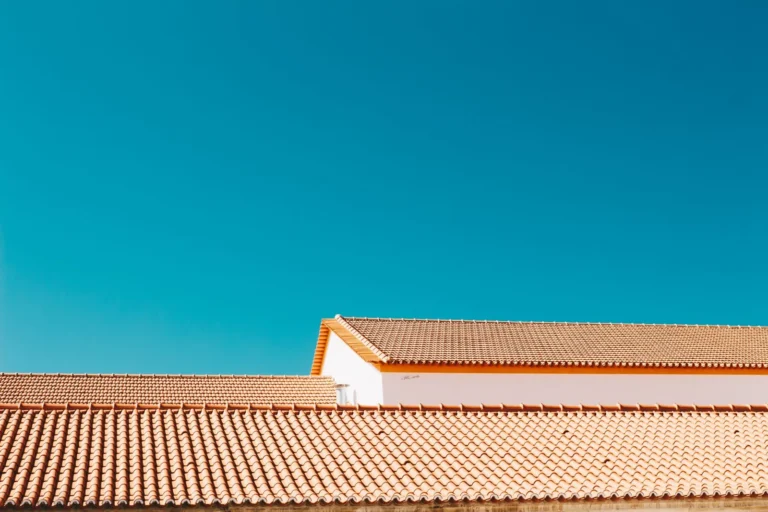
Photo by Дмитрий Рощупкин via Pexels
Metal Roof vs Shingles Cost: The Real Numbers
Putting the two systems side by side is the fastest way to see where your money goes. The table below shows typical installed costs on a 2,000-square-foot roof for the options that most homeowners actually consider.
| Feature | Standing Seam Metal | Architectural Asphalt |
|---|---|---|
| Installed cost per sq ft | $9 – $19 | $4.50 – $8 |
| Total on a 2,000 sq ft roof | $24,000 – $38,000 | $9,000 – $16,000 |
| Typical lifespan | 40 – 70 years | 25 – 30 years |
| Material warranty | 30 – 50 years | 25 – 50 years |
| Maintenance | Low | Low to moderate |
| Energy reflectivity | High | Low to moderate |
| Resale value recouped | ~61% | ~50% or less |
The headline: metal costs roughly two to three times as much upfront. But the useful comparison is not the sticker price — it is the cost per year of service. A $30,000 metal roof that lasts 50 years costs about $600 a year. A $14,000 shingle roof that lasts 25 years costs about $560 a year, but you will likely buy it twice in that same 50-year window, pushing the effective total to $28,000 or more once you account for inflation and a second tear-off.
Installation Costs: Where the Labor Dollars Go
Labor is where metal roofs get expensive. Asphalt shingles go down fast — a seasoned crew can shingle an average roof in one to two days, and the work is physically straightforward. That speed is why shingle labor runs only $2 to $4 per square foot.
Metal panels are slower and more precise. Seams have to be measured and locked, panels cut to length, and flashing custom-formed at valleys, eaves, and penetrations. On a complex roof with multiple valleys, dormers, and hips, metal labor can hit $5 to $11 per square foot. A standing seam roof is also often installed over furring strips or a new underlayment system, adding another layer of material and time.
Tear-off changes both quotes. Removing an existing roof usually adds $1 to $4 per square foot, plus dump fees. Where metal has an advantage is that, at 1.5 to 2.5 pounds per square foot, it is light enough to often be installed directly over a single existing layer of shingles — which saves the entire tear-off cost. Asphalt shingles, by contrast, usually need the old layers stripped first, and most codes cap you at two layers total.
Photo by Michaela St via Pexels
Lifespan and the Long-Term Cost of Ownership
This is where the metal roof vs shingles cost math finally tips in metal’s favor for many owners.
A quality standing seam metal roof will outlive its own warranty: 50 years is realistic, and 70 is not unusual in mild climates. Aluminum and coated steel resist rot, insects, and fire, and they shed snow and rain cleanly. The maintenance bill across those decades is close to zero beyond an occasional inspection.
Asphalt shingles degrade on a schedule you can almost set a clock to. Sun, freeze-thaw cycles, and wind slowly strip the granules, dry out the asphalt, and curl the tabs. Plan on a full replacement somewhere between year 20 and 30 — sooner in storm-prone or extreme-heat regions. Over a 60-year ownership period, a shingle roof is very likely a two-time or three-time purchase.
There is also an energy-angle argument. Metal roofs, especially lighter colors and Energy Star-rated panels, reflect a large share of solar radiation and can cut summer cooling loads. The Department of Energy’s guidance on cool roofs notes that reflective roofing can lower peak cooling demand and reduce air conditioning needs in warm climates. Asphalt shingles absorb far more heat, which costs you in the summer months.
Factors That Change the Final Price
Quotes rarely match the averages once a contractor walks the property. These are the factors that push your final number in either direction.
- Roof complexity and pitch. A steep roof or one riddled with valleys, chimneys, and skylights drives labor way up — and hits metal harder than shingles because of all the custom flashing.
- Geographic region. Labor and material prices vary by 20 to 30 percent between markets. Coastal areas pay a premium, and Southeast hurricane zones carry strict fastening codes.
- Metal type and gauge. Thicker gauge steel (24-gauge vs 29-gauge) and premium finishes like Kynar 500 coatings add cost but extend life.
- Existing roof condition. Decking rot, re-sheathing, or a second layer of shingles to strip can add thousands.
- Access and season. Roofers book out months ahead in peak spring and fall, and complex access (drones, cranes, tight lots) adds line items.
For more on how these numbers move, our guide to roof replacement cost walks through every line item on a typical quote, and how long does a roof last breaks down lifespan by material in detail. If you are leaning shingle, asphalt shingle types compared explains the difference between 3-tab, architectural, and luxury options.
Frequently Asked Questions
Is a metal roof worth the extra cost?
For homeowners planning to stay 20-plus years, usually yes. The higher upfront price is offset by a 40-to-70-year lifespan, near-zero maintenance, and energy savings. If you are likely to sell within five to ten years, a metal roof will still add curb appeal and resale value and typically recoups about 61 percent of its cost at resale, but you will not be the one enjoying the long-term savings.
How much more expensive is a metal roof than shingles?
Standing seam metal runs two to three times the price of architectural asphalt shingles per square foot installed. A 2,000-square-foot roof averages around $24,000 to $38,000 in metal versus $9,000 to $16,000 in shingles.
Can a metal roof be installed over existing shingles?
Often, yes. Metal is light enough that many codes allow it over a single layer of existing shingles, which skips the tear-off and dump costs entirely. This is one of the few places metal can close the upfront gap. A second metal roof usually cannot be stacked, however, and any rot or sagging decking must be repaired first.
Does a metal roof lower home insurance?
Sometimes. Because metal resists wind, hail, and fire, many insurers offer discounts — particularly in wildfire and hurricane regions. The discount varies by carrier and state, so it is worth calling your insurer for a quote before you commit to either material.
Do metal roofs make a house hotter or colder?
They tend to make the attic cooler. Reflective metal panels bounce solar heat away, reducing attic temperatures and summer cooling load. In winter, a properly vented metal roof performs on par with shingles; the thermal performance difference is a summer-story, not a winter-story.
The Department of Energy’s cool roof guide explains how reflective metal roofing can lower cooling bills.
The Bottom Line
The metal roof vs shingles cost decision comes down to one honest question: how long are you keeping the house? If you are staying for the long haul, metal is the better financial move despite the sticker shock — it lasts two to three times as long, saves on energy, and takes almost no maintenance. If you are on a tighter budget or expect to move within a decade, architectural asphalt shingles remain the sensible, proven default.
Whichever way you lean, get at least three written quotes that itemize material, labor, tear-off, and disposal separately. Ask each contractor to specify the metal gauge or shingle brand so the quotes are actually comparable. And before you sign, run the numbers per year of service, not just the bottom line — that is the figure that tells you what the roof really costs.
If you are already planning a full re-roof, start with our roof replacement cost breakdown, then call a licensed local roofer to put real numbers on this comparison for your specific house. A roof is a 25-to-70-year decision, and it is worth getting the math right before the first panel or shingle goes down.