Covered Patio Ideas: 15 Shade-Making Upgrades Worth the Money
A bare concrete slab bakes in the afternoon sun. Add a cover, and that same square footage becomes a three-season room — somewhere to eat dinner, host a birthday, or push a laptop outside for the workday. The best covered patio ideas do two jobs at once: they block UV and rain, and they make the space look like it was part of the original house rather than a weekend bolt-on.
Your budget, roofline, and local climate should drive the decision. A retractable awning that makes sense in Phoenix is a poor choice in a Minnesota snow belt, where it needs to shed a winter’s worth of accumulation. This guide walks through the options with real cost ranges so you can pick a cover you will actually use for a decade.
Covered Patio Ideas That Add Shade and Value
There are more ways to cover a patio than most homeowners expect. The right choice usually comes down to four questions: how much weather protection you need, how permanent you want the structure, what your house can support, and what the local building department allows. Here are the designs that pay off most, broken into a few workhorse categories.
Pergola: The Most Flexible Option
A pergola is an open-roof frame — usually wood, vinyl, or aluminum — with spaced beams or slats across the top. It is the most popular starting point for covered patio ideas because it is cheaper and lighter than a full roof, and it filters sun without turning the space into a dark cave.
- Wood pergola: Cedar and pressure-treated pine are the budget workhorses. Cedar looks the best and resists rot and insects naturally, but it needs a stain or seal coat every two to three years.
- Aluminum pergola: Lighter, rot-proof, and essentially maintenance-free, though it can look industrial if the rest of the home is warm and traditional.
- Motorized louvered pergola: Slats that tilt open and closed with a remote. This is the premium option — you get sun when you want it and shelter when it rains, but prices start around $8,000 and climb fast.
One thing to know going in: a standard pergola provides shade, but not water protection. If you want to sit outside during an actual downpour, budget for a canopy, sail, or louver upgrade. For more detail on the style side, our pergola ideas for a backyard roundup covers finish colors, lighting, and how to match the frame to your siding.
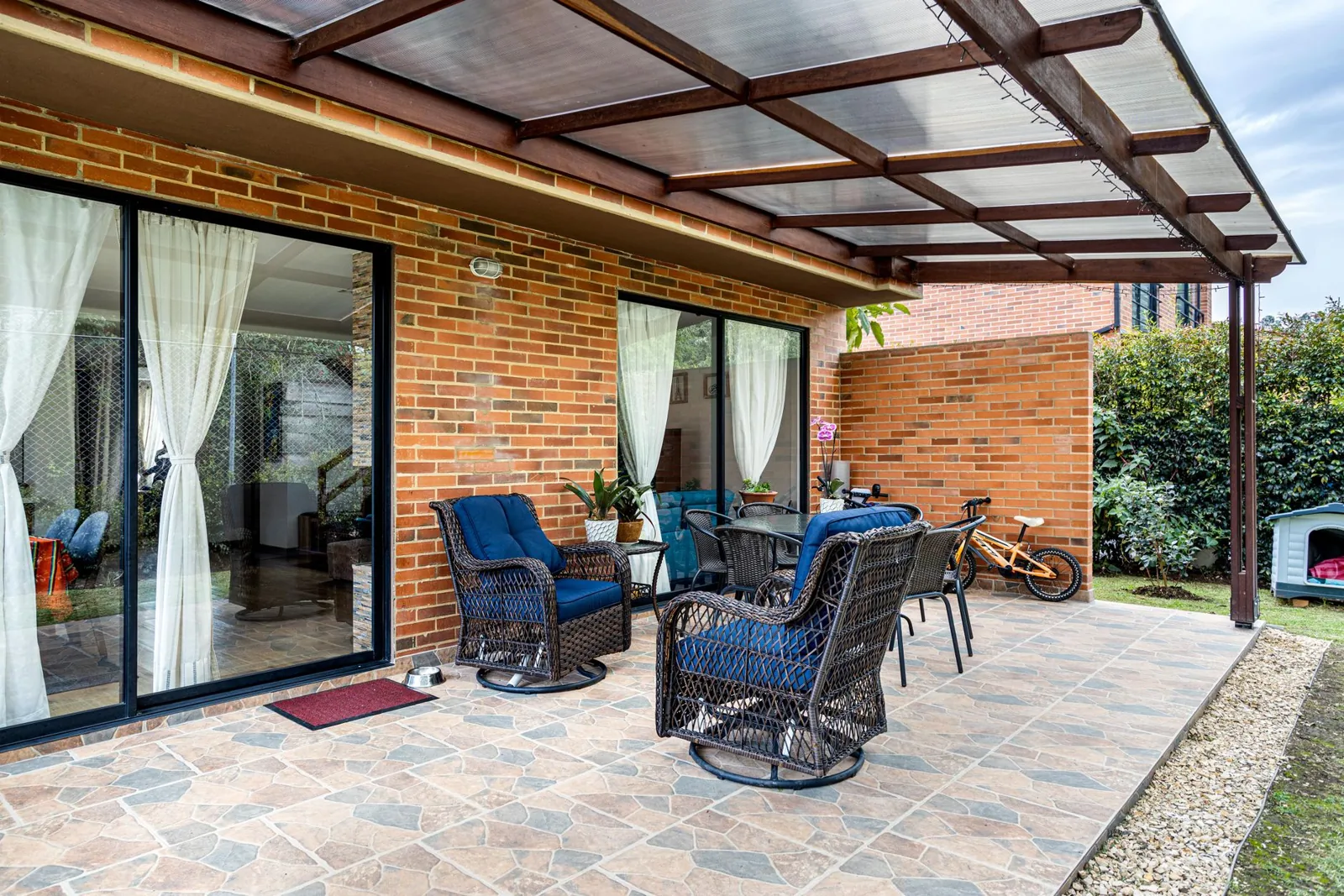
Photo by Gustavo Galeano Maz via Pexels
Solid Roofs and Gable Extensions
If you want to use the patio in any weather, a solid roof is the answer. This is also where the project crosses from “outdoor furniture” into “home addition,” because a solid cover attaches to the house and often shares its roofline.
Attached patio roofs
A roof that ties into the existing eave, usually with a ledger board bolted into the wall framing and posts on the outer edge. This is the strongest design and the one that adds the most resale value, but it is a real construction job: you will likely need plans and a permit, and the work should be done by a licensed contractor because the flashing against the house is where leaks happen.
Freestanding solid covers
A detached roof on four posts, placed a few feet off the wall. It costs less in labor than a ledger-tied design because you are not cutting into the house, and it can shade a patio, pool deck, or fire-pit area that sits away from the structure entirely.
Gable and shed extensions
Rather than a flat roof that slopes away from the house, a gable-end extension carries the same roof pitch as the main structure and ties into the same shingles or metal. It looks integrated, but the cost reflects that — a gable extension over a 200-square-foot patio often runs $15,000 to $30,000 installed, depending on framing, roofing material, and where you live.
Retractable Awnings and Shade Sails
Not every covered patio ideas list has to end in a permanent structure. Fabric covers are the flexible middle ground — real sun and (for awnings) rain protection, without the price tag or permit process of a roof.
- Retractable awnings: A motorized or manual awning that rolls out from the wall. $2,000 to $7,000 installed is typical, with motorized models and wind sensors at the top of that range.
- Shade sails: Large triangular or rectangular fabric panels stretched between posts and anchor points. A two-to-three-sail setup runs $1,500 to $4,000 installed and is a favorite over hot concrete and desert climates.
- Canvas or polycarbonate canopies: A budget cover over a pergola frame or standalone posts, usually $500 to $1,500.
The trade-off is longevity. Fabric and polycarbonate covers last roughly 8 to 15 years before they fade, sag, or tear, whereas a well-built wood or aluminum roof lasts decades. If you live somewhere with strong wind, snow, or hail, fabric covers also need to be taken down or retracted seasonally.
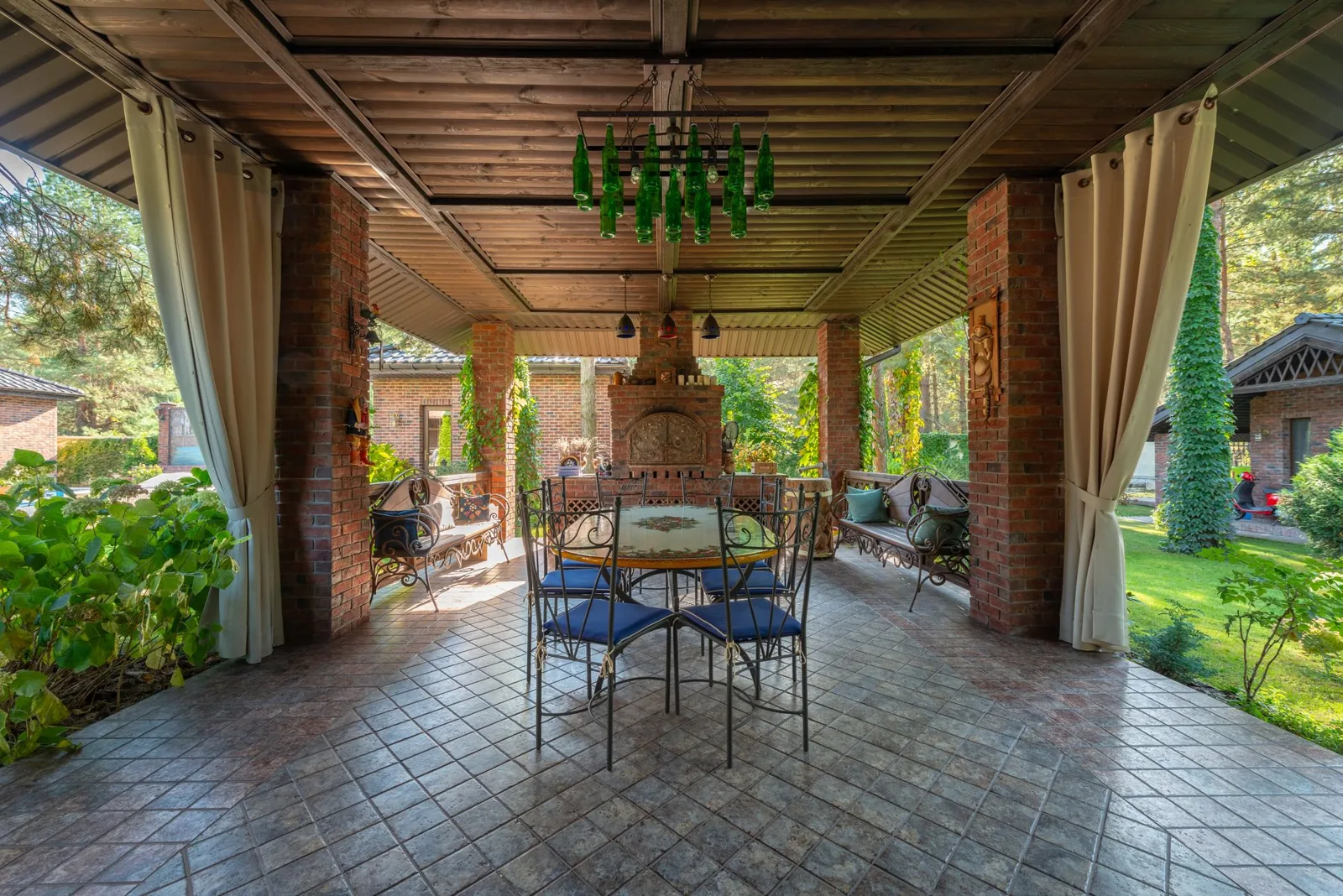
Photo by Max Vakhtbovych via Pexels
What a Covered Patio Costs
Expect to spend somewhere between $2,000 and $30,000 depending on the design. The table below breaks out the main options so you can compare them side by side rather than guessing off a single number.
| Feature | Pergola | Solid Roof | Retractable Awning |
|---|---|---|---|
| Weather protection | Shade only (partial) | Full sun and rain | Sun; light rain |
| Typical installed cost | $4,000–$12,000 | $8,000–$30,000 | $2,000–$7,000 |
| Permit usually required | Sometimes | Usually | Rarely |
| Lifespan | 15–40+ years | Decades | 8–15 years |
| Resale value added | Strong | Strongest | Moderate |
A few cost levers apply across the board. Attaching to the house costs more than freestanding because of the flashing and ledger work. Premium materials — composite decking underfoot, cedar or powder-coated aluminum framing, motorized louvers — each add 20 to 40 percent. And any structure over a certain square footage, or one that ties into the house, will trigger a permit; that fee is usually a few hundred dollars, but the plans and engineering review can add another thousand.
If you are also weighing whether to build a patio from scratch versus a wood deck, our deck vs. patio cost comparison breaks down the numbers for both using the same square-foot framework. And if you are deciding between an open pergola and a fully enclosed gazebo, the gazebo vs. pergola guide spells out where each one wins.
Matching the Cover to Your Climate
This is the step most articles skip, and it is the one that determines whether your cover survives or ends up in a landfill. Pick based on the weather you actually get, not the weather in a catalog photo.
- Hot and dry (Southwest): You want maximum shade with minimal fuss. Shade sails, pergolas with retractable canopies, and aluminum louvers all shine here because there is rarely snow load to worry about.
- Wet and stormy (Southeast, Gulf Coast): Wind and hurricanes are the real enemy. Choose a solid, well-anchored roof over fabric, and check local wind rating requirements before you build.
- Snow country (Northeast, Midwest, Mountain West): A flat or fabric cover that collects snow is a liability. Stick with pitched gable extensions or steep-shed roofs that shed snow, and size the framing for a 30 to 50 pound per square foot snow load.
- Mild and coastal (Pacific Northwest, California coast): The priority is rain more than sun. A solid roof or a louvered pergola that seals when closed will get the most use.
This is also where the professionals earn their fee. A structural engineer or experienced contractor can tell you in one visit whether your eave can carry an attached roof and what wind and snow loads your county enforces — details that are easy to miss and expensive to correct later.
Frequently Asked Questions
What is the cheapest way to cover a patio?
A shade sail or a simple canvas canopy over a pergola frame runs $500 to $1,500, which makes it the cheapest entry point. Just be realistic about the trade-off: fabric covers last under 15 years and may need to come down in wind or snow.
Do I need a permit to build a covered patio?
It depends on your local building code, but as a rule of thumb, anything attached to the house, over a certain size (often 120 to 200 square feet), or with footings usually requires a permit. Freestanding fabric and sail covers usually do not. Confirm with your county building department before you start.
Does a covered patio add value to a home?
Yes, though not always what you spend. According to remodel cost-versus-value data, a midrange patio or deck addition historically recovers a meaningful share of its cost at resale, and a solid, well-integrated roof is valued more highly by appraisers and buyers than a temporary cover.
Solid roof or pergola — which is better?
A solid roof wins if you want year-round, all-weather use and maximum resale value. A pergola wins if you want dappled sun, spend less, and prefer a lighter, more open look. Many homeowners split the difference with a louvered pergola, which opens and closes on demand.
How long will a patio cover last?
A well-maintained cedar or aluminum pergola can last 15 to 40 years or more, and a solid attached roof built with quality flashing should match the life of the house. Fabric awnings and shade sails are the shortest-lived at roughly 8 to 15 years.
For more real-world inspiration, This Old House rounds up tested porch and patio covering options.
The Bottom Line
The best covered patio ideas are the ones that match your climate and your willingness to maintain them. If you want a cheap, flexible shade fix for a hot patio, start with a shade sail or pergola. If you want a space you will use in the rain and snow — and a structure that boosts resale value — budget for a solid attached roof or a louvered pergola.
Get two or three written quotes, ask each contractor how they will flash the connection to the house (that one detail predicts future leaks), and check your local permitting requirements before you sign anything. A cover that is built right the first time will quietly earn its cost back in the evenings, weekends, and seasons you spend outside.