Screened Porch Cost: What Homeowners Actually Pay in 2025
A screened porch is one of the most practical outdoor upgrades you can make. It gives you a bug-free place to eat, read, or nap through the warmer months, and it almost always costs less than a full four-season sunroom. But the range is wide. The screened porch cost for a typical 200-square-foot addition runs roughly $15,000 to $40,000 across the United States, with most homeowners landing somewhere in the middle.
The exact number depends on size, framing material, screening type, whether you need a new roof, and where you live. In this guide, we’ll break the figures down square foot by square foot so you can plan a realistic budget before you ever call a contractor.
How Much Does a Screened Porch Cost?
Most screened porch projects fall between $10,000 and $35,000 for a standard 12-by-14-foot porch, or $50 to $175 per square foot depending on what’s already standing. If you’re converting an existing open deck or patio cover, you’ll pay far less because the floor and roof are already in place.
Here’s a quick picture of typical totals:
- Small (80–120 sq ft): $8,000–$18,000
- Medium (150–200 sq ft): $15,000–$30,000
- Large (250–400 sq ft): $25,000–$60,000
- Full custom or multi-story: $50,000 and up
One important distinction: a screened porch with a simple shed roof costs less than one with a gabled roof that has to be tied into your home’s existing roofline. Roof work routinely adds $3,000 to $7,000 on top of the base screened porch cost, so don’t overlook it when you compare bids.
Screened Porch Cost by Square Foot
Contractors almost always give you a per-square-foot figure during the estimate, and that number tells you more than the total does. It lets you compare bids that use different sizes and scopes side by side.
| Size | Total cost | Cost per sq ft |
|---|---|---|
| 100 sq ft | $8,000–$15,000 | $80–$150 |
| 200 sq ft | $15,000–$32,000 | $75–$160 |
| 300 sq ft | $24,000–$48,000 | $80–$160 |
| 400+ sq ft | $35,000–$70,000 | $88–$175 |
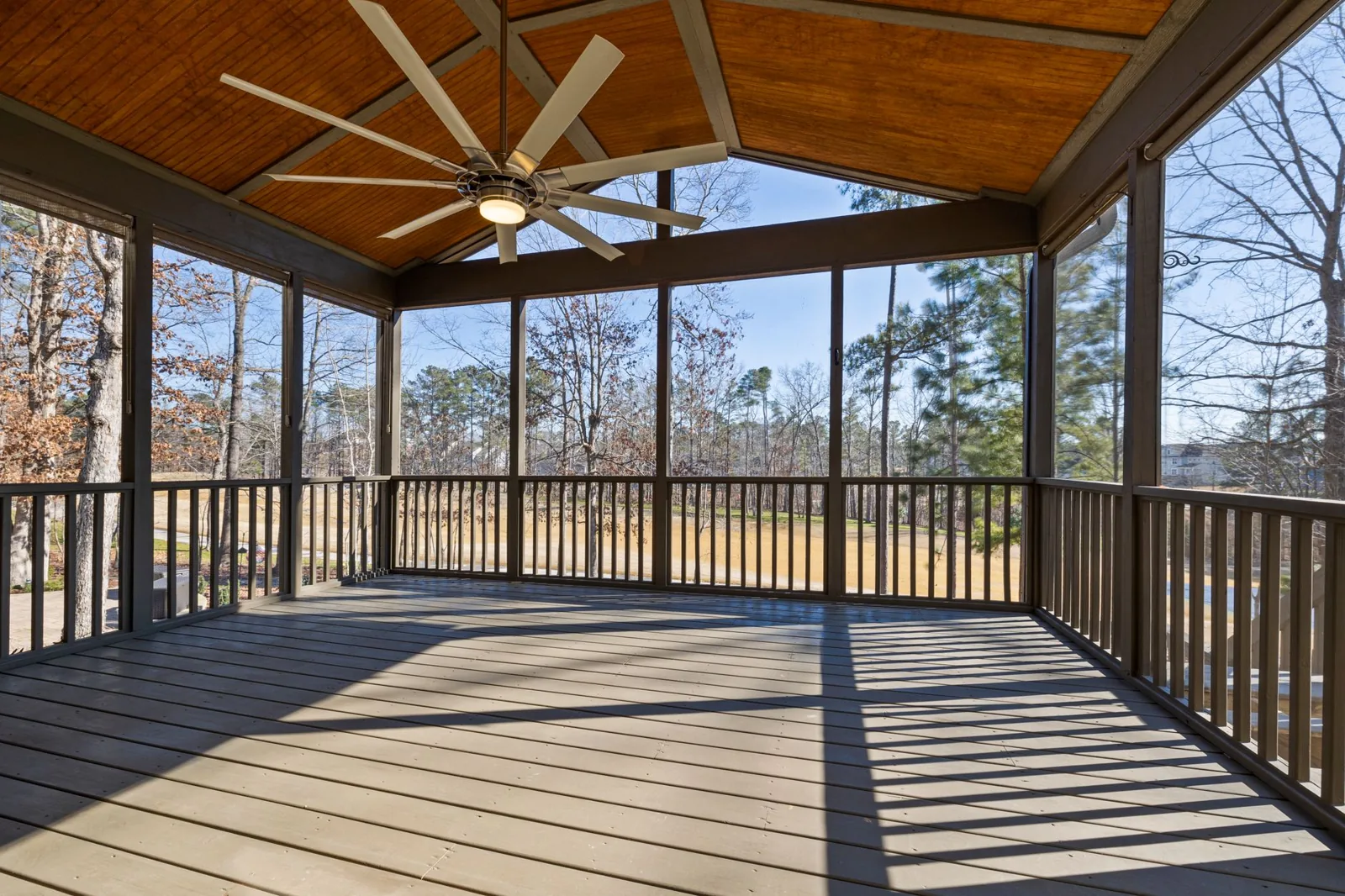
Photo by Curtis Adams via Pexels
The lower end of those ranges assumes a slab-on-grade foundation, pressure-treated wood framing, and standard fiberglass or aluminum screen. The upper end assumes premium materials, a complex roofline, electrical work, or deep footings in a cold climate where the frost line runs three or four feet down.
Screened Porch Cost by Material
The framing and screen materials you pick are the single biggest levers on price. Here’s how the main options shake out.
Wood Framing
Cedar and pressure-treated pine are the classic choices. Wood is easy to work with, blends into most homes, and is usually the cheapest framing route. Expect $75 to $140 per square foot, though prices have climbed with lumber costs in recent years and wood demands more maintenance over its life span.
Aluminum Framing
Aluminum frames cost 20–40% more than wood up front but resist rot, never need painting, and hold up for decades in humid or coastal climates. This is the option to reach for if you’re near salt water or live somewhere with heavy insect pressure.
Vinyl and Composite
Vinyl and composite posts never rot and clean with a garden hose, sitting in the middle of the price range. The trade-off is a slightly limited color palette and a look some homeowners find less warm than real wood.
Screen Material
- Fiberglass screen: $0.15–$0.35 per square foot; the budget standard and easy to patch.
- Aluminum screen: $0.30–$0.60 per square foot; stronger and more dent-resistant.
- Pet-resistant screen: $0.50–$1.00 per square foot; worth it if you have dogs or cats who launch themselves at the frames.
- Solar screen: $0.40–$0.90 per square foot; blocks heat and glare on west-facing porches.
Screen material is a small line item, but if you’re screening 200 square feet of wall opening with pet-grade product, it can quietly add several hundred dollars to your total.
Region matters too. In the South and Gulf Coast states, where screened porches are nearly standard on new construction, competition keeps labor reasonable and supply houses stock everything locally. In the Northeast and Pacific Northwest, you’ll often pay 10–20% more for the same footprint, partly because rainy-season builds move slower and partly because frost-tolerant foundations cost more to pour. If you live in a high-construction-cost metro like Seattle, Boston, or San Francisco, add another 10–15% on top of that.
Screened Porch vs. Other Outdoor Additions
Before you commit, it helps to see how a screened porch stacks up against the alternatives people usually weigh it against.
| Feature | Screened Porch | Sunroom | Four-Season Room | Covered Patio |
|---|---|---|---|---|
| Average cost | $15,000–$40,000 | $30,000–$70,000 | $25,000–$80,000 | $10,000–$30,000 |
| Climate control | None (outdoor temp) | Partial | Full HVAC | None |
| Bug protection | Full | Full | Full | Partial |
| Usable year-round | No | Mostly | Yes | No |
| Adds living space | Partial | Yes | Yes | Partial |
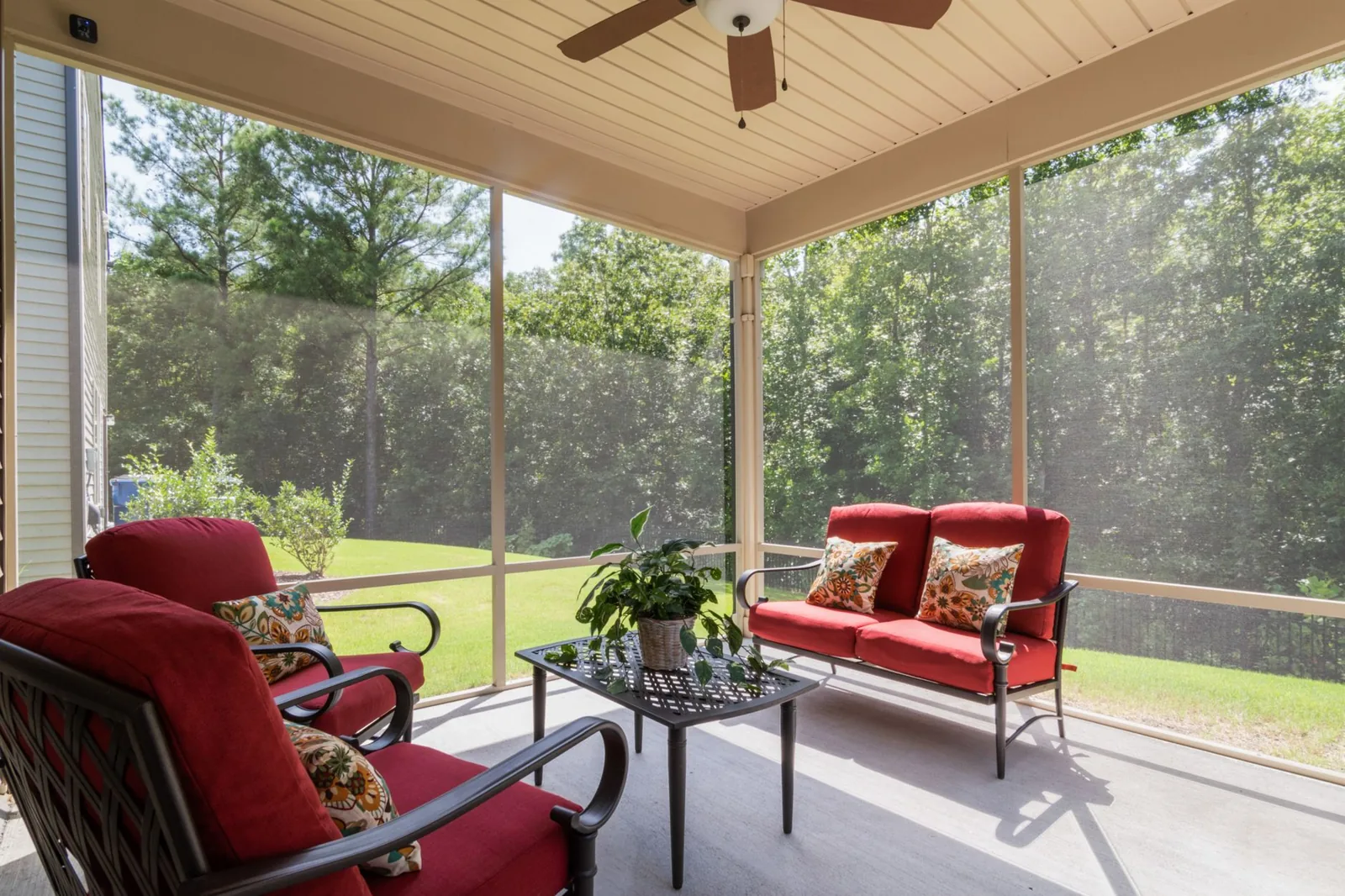
Photo by Curtis Adams via Pexels
If you just want shade and a place to grill, a covered patio or a pergola will save you money — we walk through those options in our covered patio ideas guide. If you want true year-round square footage, a four-season room or a well-insulated outdoor kitchen build makes more sense. A screened porch sits squarely in the middle: genuine outdoor living with real protection from bugs and weather, at a cost that won’t rival a full home addition.
What Drives the Price Up or Down
Even two identical-size porches can land thousands of dollars apart. These are the factors that move the number most.
- Foundation. A slab costs $4–$8 per square foot. Footings or a crawlspace in a cold climate can double that before framing even starts.
- Roof structure. Extending your existing roof is cheapest; building a new gable or hip roof adds $3,000–$7,000.
- Electrical and lighting. Adding ceiling fans, outlets, and recessed lights runs $800–$2,500.
- Permits and inspections. Plan on $500–$2,000 depending on your municipality.
- Location and labor. Coastal cities and major metros run 15–30% above national averages.
- Existing structure. Converting a deck or patio cover with a sound roof can cut the screened porch cost by a third or more.
The reverse is also true: skipping electrical, using basic fiberglass screen, and converting an existing covered deck will keep you at the low end of every range above. Get three written bids, and require each to itemize foundation, framing, roof, screening, and electrical as separate lines so you can compare them honestly.
For a closer look at how porches relate to your other surface options, start with our deck vs patio cost breakdown.
Frequently Asked Questions
How much does it cost to screen in an existing porch?
Screening an already-covered porch is far cheaper than building new. You’re typically looking at $2,000 to $8,000 for labor and screen material, depending on the size of the openings and the screen type. If the structure needs new framing or a new roof, the number climbs quickly.
Does a screened porch add value to a home?
Yes, generally. Real estate data consistently shows screened porches recoup roughly 50–70% of their cost at resale and rank among the more desirable outdoor features in warm, buggy climates. The payoff is usually as much about how fast the home sells as it is a dollar-for-dollar bump in list price.
Is a screened porch cheaper than a sunroom?
Almost always. A screened porch costs about half to two-thirds of a comparable sunroom because there’s no glass, no insulation, and no HVAC. You trade year-round comfort for a lower build cost and far lower energy bills.
How long does it take to build a screened porch?
A straightforward build takes 2 to 5 weeks once permits clear. Complex designs with new roofing, electrical, and custom screen panels can run 8–12 weeks, with materials lead time often the bottleneck.
Can I build a screened porch myself to save money?
A skilled DIYer can save 40–60% on labor by handling screening and finish work, but foundation, roof tie-in, and electrical should stay with licensed pros. Check local code first — many areas require permits and inspections for any attached, enclosed porch.
The Bottom Line
A screened porch is one of the best cost-to-value outdoor projects a homeowner can take on. Budget $15,000 to $40,000 for a typical new build, and expect to pay at the low end if you’re converting an existing covered deck and skipping extras like electrical and premium screens.
Get at least three itemized bids, confirm the price per square foot, and don’t let a “free estimate” rush you into a deposit. For authoritative build details and current material guidance, Angi and This Old House both keep handy homeowner explainers worth bookmarking before you sign anything.
A well-built screened porch adds a real third living space to your home for a fraction of what an indoor addition costs. Start with a clear square-foot target, pick materials for the climate you actually live in, and you’ll end up with a porch you use every week of bug season — and a budget you’re not still paying off.