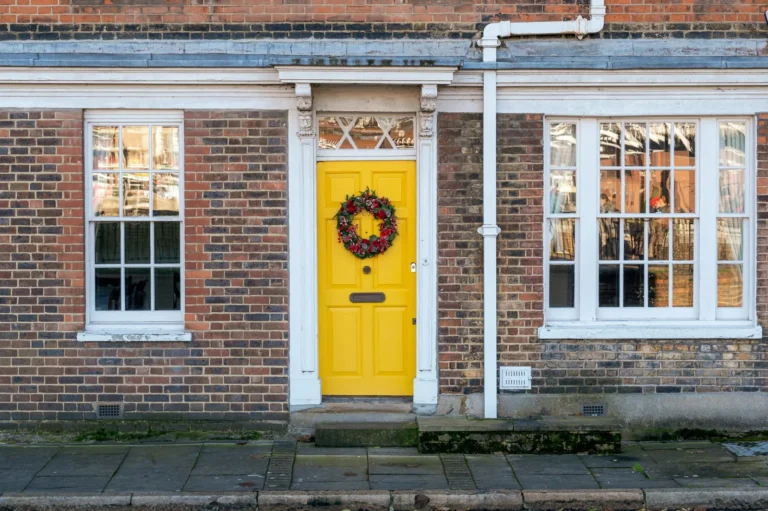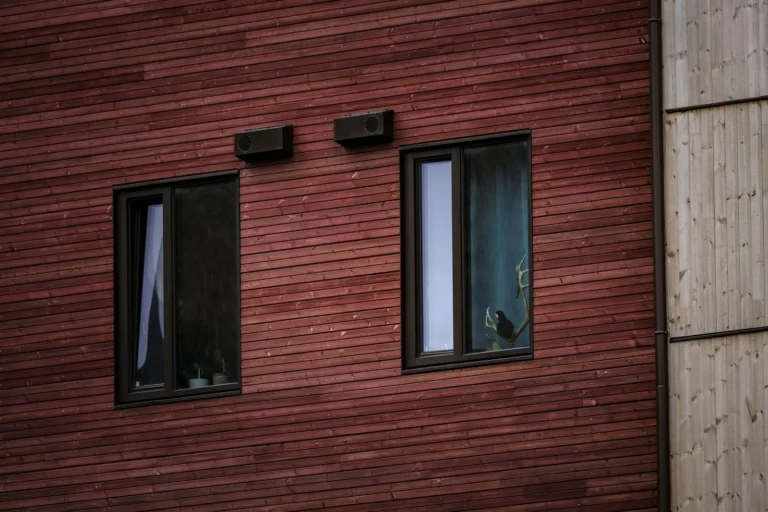
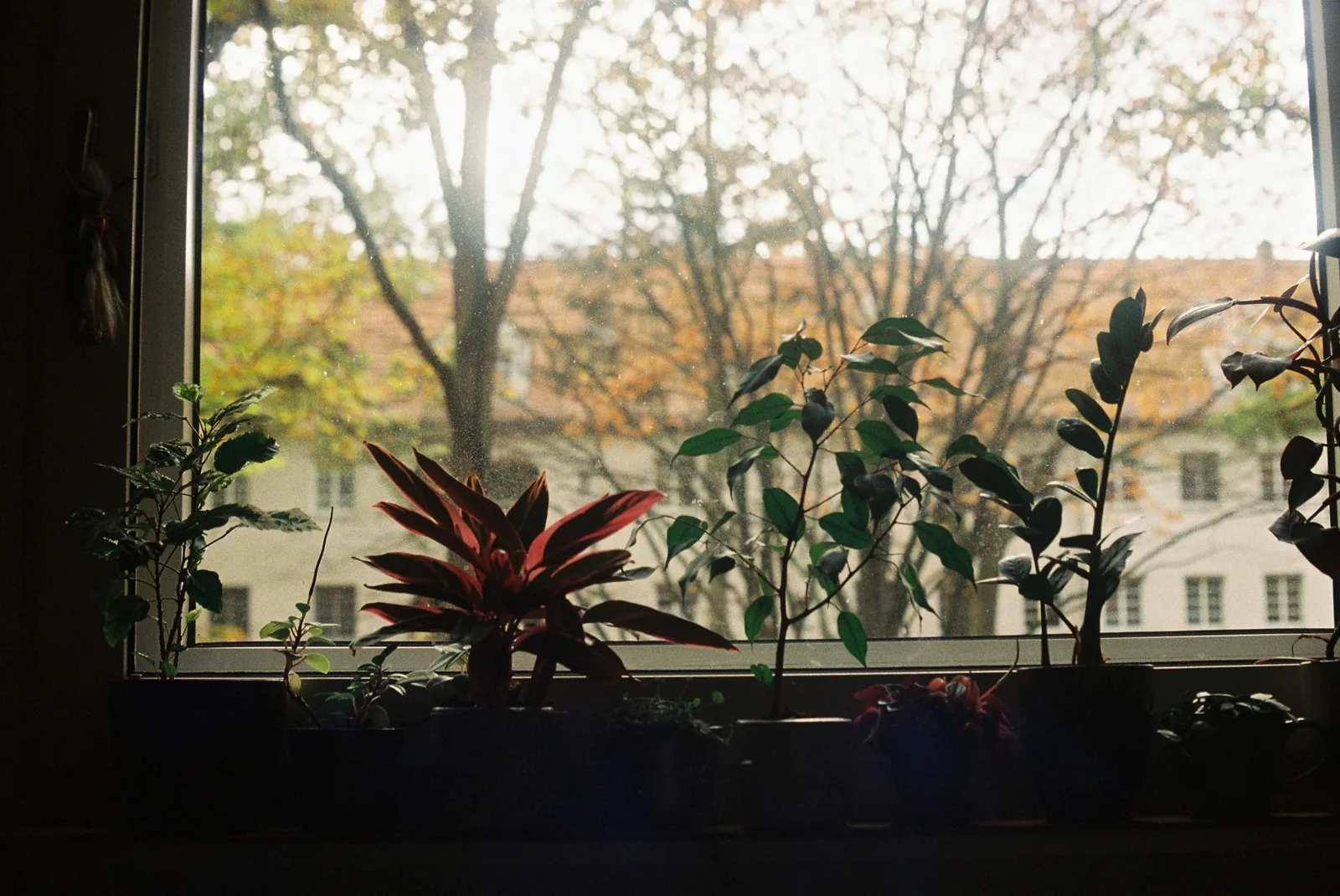
Home Window Tinting Guide: Film Types, Real Costs, and DIY Steps That Work
Window tint is one of the cheapest home improvements you can make, and one of the least understood. Most people picture darkened automotive glass, but residential film is a different product entirely: it can block up to 99% of UV rays and reject a big share of solar heat while leaving your view almost untouched. This home window tinting guide explains what the films actually do, what they cost, and how to decide between a Saturday DIY job and a professional install.
The short version: if you have a room that bakes in the afternoon sun, furniture that’s fading, or a monthly cooling bill you’d rather not open, window film is worth a serious look. Done well, it pays for itself in a few years and you barely notice it’s there. Done poorly, it bubbles and peels within a season, which is exactly why the prep steps matter more than the film itself.
Here’s what to know before you buy a single roll.
What Home Window Tinting Does (and What It Doesn’t)
Residential window film is a thin polyester sheet with a coating that reflects or absorbs energy. It sits on the inside surface of your glass, so it doesn’t change how your home looks from the curb the way replacement windows do. Three things it handles well:
- Solar heat rejection. Quality films reject anywhere from 35% to 80% of the sun’s heat, depending on the film. That’s the difference between a west-facing living room at 78°F and the same room at 86°F on a July afternoon.
- UV blocking. Almost every film on the market blocks 99% of UV rays, which are what fade hardwood floors, upholstery, artwork, and rugs. This is the single most reliable benefit — the films don’t have to be dark to do it.
- Glare reduction. Films cut the harsh glare that makes TVs and computer screens hard to see without turning the room into a cave. Neutral films knock glare down 50% or more while staying nearly clear.
What tint does not do is turn a single-pane window into a double-pane window. It reduces heat gain, but it won’t fix air leaks, bad weatherstripping, or a failing seal. If your glass is drafty or the panes are fogged between the layers, film is a bandage, not a cure — that’s a job for replacement. For a look at what that costs, see our window replacement cost breakdown.
Film Types: A Home Window Tinting Guide to Your Options
Film categories come down to what they prioritize. Here’s the comparison:
| Feature | Dyed Film | Ceramic Film | Reflective / Metalized |
|---|---|---|---|
| Typical cost per sq ft (installed) | $2–$5 | $6–$12 | $5–$9 |
| Heat rejection | Low to moderate | High, without darkening | Highest, but darkens view |
| UV blocking | 99% | 99% | 99% |
| Appearance | Adds a slight tint | Nearly clear | Mirror-like finish |
| Best for | Budget, north-facing rooms | Sun-facing rooms, preserve views | Privacy, west/south glare |
| Lifespan | 5–10 years | 15+ years | 10–15 years |
- Dyed film is the entry point. It absorbs heat and color-fades over time — count on replacing it in a decade. Fine for a room that only gets morning sun.
- Ceramic film is the sweet spot for most homes. It uses ceramic particles to reject heat without going dark, so it won’t dim your interior or change the color of the light. It’s more expensive up front but outlasts dyed film and looks better on the way.
- Reflective or metalized film delivers the strongest heat rejection and daytime privacy — people outside see a mirror, not your living room. The tradeoff is that mirrored look at night, when interior lights flip the effect and you’ll want blinds anyway.

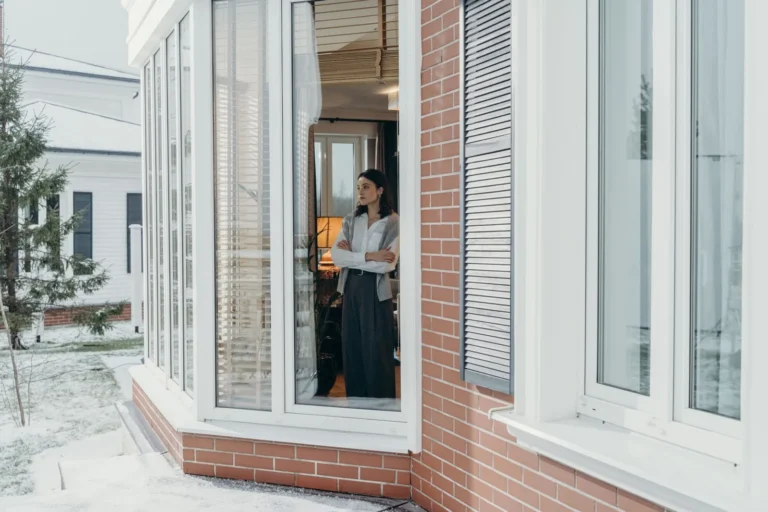
Photo by Zsófia Fehér via Pexels
There’s also a fourth category worth naming: security film, a thicker laminate that holds shattered glass together. It’s not a tint in the cooling sense — you add it for storms, break-ins, and accident protection, often layered with one of the films above.
What Window Tinting Costs
Expect to pay $5 to $12 per square foot installed for most residential films, with labor and film roughly splitting the bill. In real numbers:
- A standard 3-by-5-foot window (15 sq ft) runs $75 to $180 professionally installed.
- Tinting 8 to 12 windows — a typical main-floor job — lands between $600 and $1,800.
- DIY film from a home center runs $2 to $6 per square foot, so the same 15-square-foot window costs $30 to $90 if you do it yourself.
Ceramic pushes you toward the top of every range; dyed film pulls you to the bottom. Geographic location matters too — installers in coastal California or the Southwest charge more than the same job in the Midwest. Get at least three quotes and ask for the film’s brand and spec sheet, not just a “heat-reducing tint” description. Cheap unnamed film is the most common way people end up paying twice.
If you’re already spending to make your glass more efficient, compare the numbers against upgrading the windows themselves — our guide to the best windows for energy efficiency lays out where film wins and where replacement does.
How to Choose the Right Film for Each Window
Not every window needs the same treatment. Match the film to what the glass actually faces:
- South and west exposures get the most heat and glare. These are the windows where ceramic or reflective film earns its keep first.
- North-facing windows barely need heat rejection. If you tint them at all, a light dyed or UV-only film stops fading without dimming an already-dim room.
- Bedrooms and street-facing glass want the daytime privacy of reflective film, paired with curtains or blinds for night.
- Rooms with artwork, pianos, or rugs benefit from UV blocking on every pane, regardless of direction.
One rule applies everywhere: check the film’s visible light transmission (VLT) before you buy. VLT tells you how much light passes through — 70% is nearly clear, 35% is noticeably tinted, and below 20% starts to feel dark inside. Most homeowners are happiest between 50% and 70% VLT, which cuts glare and heat while keeping the room bright.
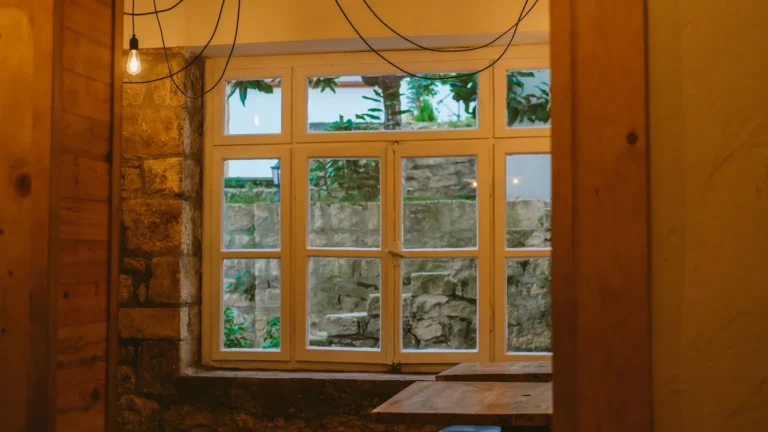
Photo by Arlind D via Pexels
DIY Installation, Step by Step
Installing film yourself is genuinely doable — it’s patience work, not skill work. You need a clean, dust-free space and about 45 minutes per window. The steps:
- Clean the glass twice. Once with soapy water, once with a lint-free cloth and rubbing alcohol. Every speck of dust shows up as a bubble.
- Cut the film oversized — about one inch larger than the pane in each direction — using a sharp utility blade on a clean cutting mat.
- Mist the glass heavily with your application solution (a few drops of baby shampoo in a spray bottle of water works fine).
- Peel the liner and mist the adhesive side as you go, so it doesn’t stick to itself.
- Lay the film on the glass and slide it into position; the solution keeps it movable for a minute or two.
- Squeegee from the center outward with firm, overlapping strokes, pushing the solution and air to the edges.
- Trim the excess with the blade against a hard-edged guide, leaving a 1/16-inch gap from the frame.
- Squeegee the edges again and let it cure. The hazy look clears in a few days; don’t clean the glass for 30 days.
Buy a film kit with a squeegee and a proper application solution — it’s a few dollars more and removes most of the frustration. If you’d rather watch the process than read it, our how-to-install-a-replacement-window guide covers similar precision steps for glass work in general.
When to Hire a Pro Instead
DIY saves money, but a pro makes sense in three situations:
- Large or high windows. Anything on a second story or over a staircase is a fall risk without the right ladder and reach.
- Specialty glass. Tinted, low-E, or laminated panes can react badly to the wrong film, and some manufacturers void warranties if aftermarket film is applied.
- Security film. It’s thicker, heavier, and needs proper anchoring into the frame — a genuine two-person job.
Professional installers also carry films you can’t buy at retail, and their work usually comes with a lifetime warranty on labor. If you go this route, confirm the warranty covers bubbling, peeling, and color change, not just the film’s original cost.
Frequently Asked Questions
Does window tinting really lower energy bills?
Yes, on the cooling side. The Department of Energy notes that window films can reduce cooling costs and peak demand in hot climates, with the biggest savings on south- and west-facing glass. In a mild climate the payback is slower, so treat tint as a comfort and fading fix first and an energy fix second.
Can I tint my windows myself, or should I hire someone?
Small, ground-floor, standard glass is a fair DIY project with the right kit and a dust-free workspace. High windows, specialty glass, and security film are worth paying a pro for. Most first-timers are happy with their own work on simple panes.
Will window film damage my windows?
Applied correctly, no. The two real risks are using a film that’s too dark or reflective for the glass type — which can cause thermal stress and, rarely, cracking — and applying film to glass that’s already compromised. Check the manufacturer’s glass compatibility chart before buying.
How long does home window film last?
Dyed film typically lasts 5 to 10 years, metalized 10 to 15, and ceramic 15 years or more. Proper cleaning (no ammonia) and avoiding abrasive scrubbers extend the life, and quality brands back their film with 10-year to lifetime warranties.
Is window tinting worth it for privacy?
Reflective and dark films give solid daytime privacy, but no film keeps people from seeing in at night when your lights are on. Pair any privacy film with blinds or curtains for after-dark coverage.
The Department of Energy’s window film guide details how films reduce glare and solar heat gain.
The Bottom Line
Window film is the rare home project that’s cheap, fast, and genuinely effective — a ceramic or reflective film on your hottest windows can drop room temperatures, stop furniture from fading, and cut glare, all for a fraction of what new windows cost. Start with the one or two windows that bother you most, buy a quality film with a real brand name behind it, and either take your time with a DIY kit or hire an installer who warranties the labor.
Measure your sun-facing glass this week, grab three quotes, and compare them against the film types in this home window tinting guide. You’ll likely find that the rooms you avoid in summer are exactly the ones worth fixing first.